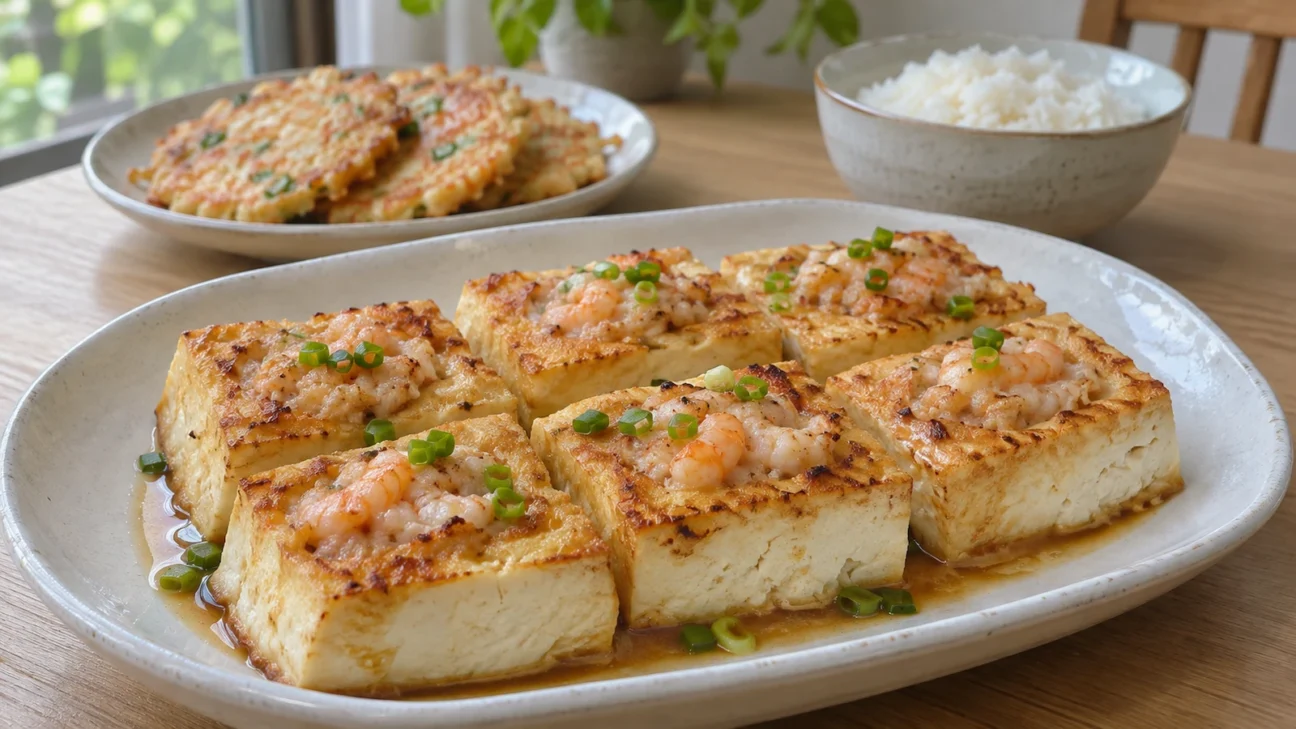
Fill tofu with prawn paste and serve it with rice, or cook it in a pot with baby napa cabbage and glass noodles. For a savoury snack, mix chopped spring onions into the paste and pan-fry it in small patties.
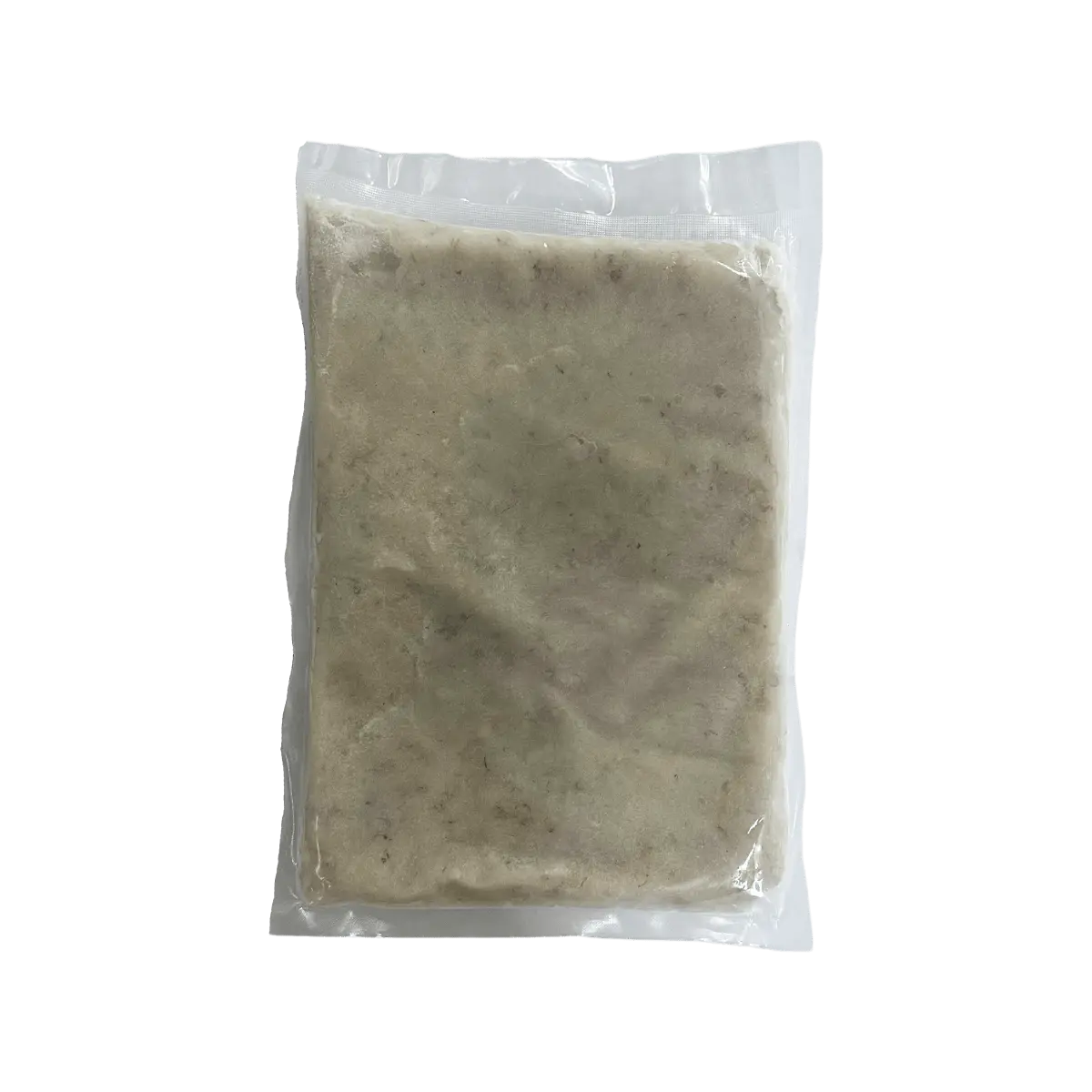
If you have prawn paste in the fridge, try these three easyprawn paste recipes: stuffed tofu, spring onion patties and a glass noodle pot. Each includes serving sizes, ingredients, steps, cooking tips, common problems and substitutions for what you have at home.
Cooking note:Prawn paste products can differ in recipe, ingredients and cooking directions. The estimated times below are for preparing the whole dish at home. Follow the package directions and heat the prawn paste through. Check the label for ingredients and allergens.
Table of Contents
How can you cook prawn paste beyond hot pot?
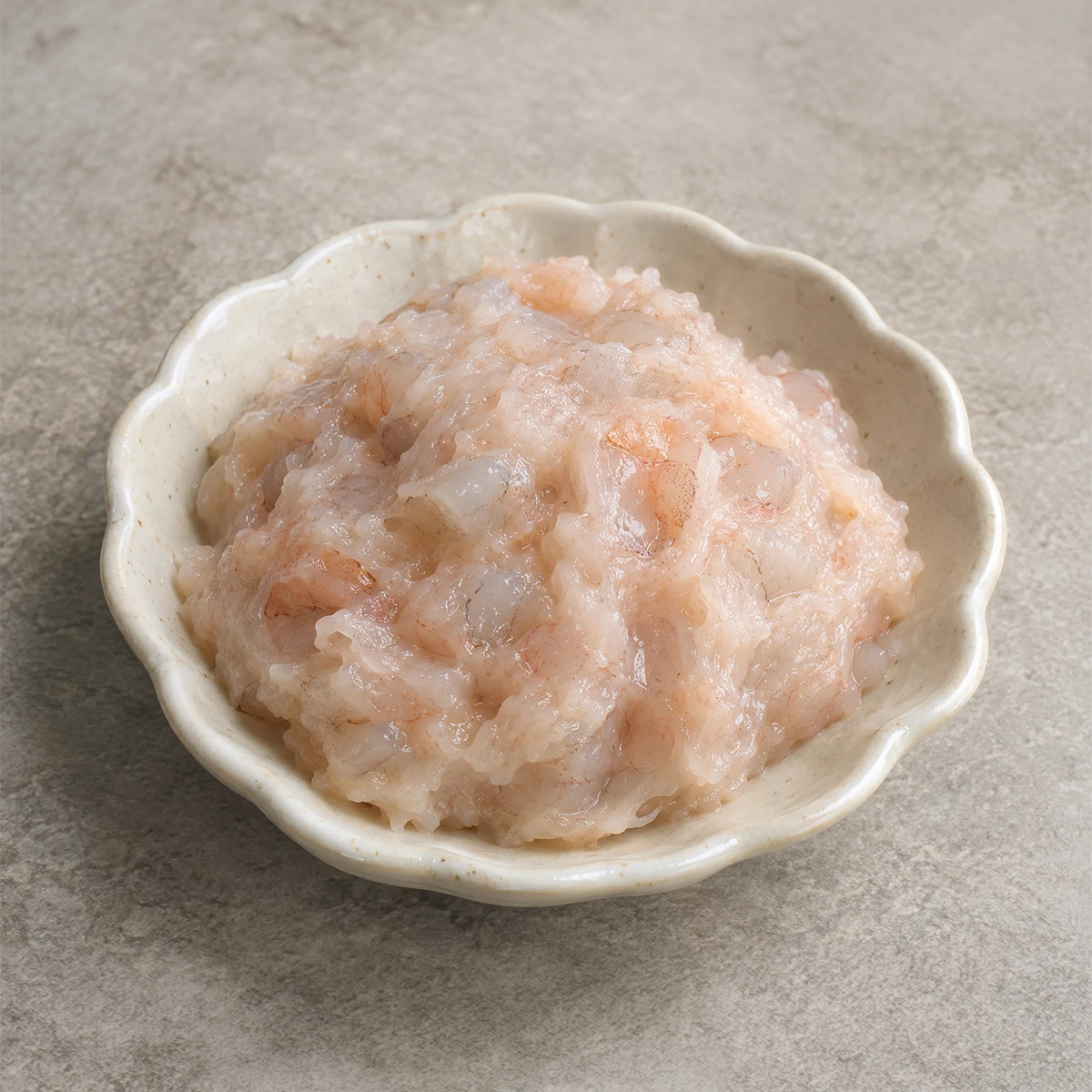
Prawn paste is easy to shape and combine with other ingredients. Cook it in broth, spread it on tofu, fry it as small patties or drop spoonfuls into a glass noodle pot.
For a dish to serve with rice, try stuffed tofu. For something golden and savoury, try the patties. The glass noodle pot cooks vegetables and noodles together and leaves less washing up.
What makes prawn paste useful in home cooking?
Prawn paste can be divided into different shapes and sizes. Spread a thin layer over tofu, pan-fry small pieces or drop portions into broth with a spoon.
Texture, flavour and stickiness vary by recipe and brand. Use less added seasoning if the paste is strongly flavoured. With a softer paste, use less water for the patties so they hold together.
Comparing stuffed tofu, patties and the glass noodle pot
| Method | Texture Characteristics | Cooking method | Total time | Best Occasions | Pairing Suggestions |
|---|---|---|---|---|---|
| Tofu stuffed with prawn paste | Soft bean curd gives a contrast in texture to the prawn paste | Pan-fry, then simmer in a little sauce | About 20–25 minutes | A home dinner with steamed rice | Choy sum, broccoli or steamed rice |
| Spring onion and prawn paste patties | Browned outside and softer in the centre | Pan-fry gently | About 15–20 minutes | A snack, packed lunch or home dinner | Salad, cucumber or sweetcorn |
| Prawn paste and glass noodle pot | The glass noodles soak up the broth and stay moist | Simmer everything in one pot | About 20–25 minutes | A quick, one-pot dinner | Baby napa cabbage, shiitake or enoki mushrooms |
These times cover preparation and home cooking for each dish. Follow the package for the cooking time of a particular prawn paste product.
Recipe 1: Pan-fried tofu stuffed with prawn paste
Suggested servings:Serves 2–3
Prep time:About 10 minutes
Cooking time:About 12–15 minutes. Follow the package directions for the prawn paste and make sure it’s heated through.
Ingredients
- About 180 g prawn paste
- 1 pack firm tofu
- Chopped spring onions as needed
- Cooking oil, as needed
- About half a bowl of water
Seasonings
- 1 tsp light soy sauce
- A little sugar
- About ½ tsp cornflour
- 1 tbsp water to mix with the cornflour
Step-by-Step Instructions
- Pat the tofu dry and cut it into thick pieces of a similar size.
- Scoop out a little from the centre of each piece to help the prawn paste stay in place.
- Spread a little prawn paste on the tofu. Keep the layer thin so it can cook through before the outside browns too much.
- Heat a little oil in a frying pan over medium-low heat. Fry the tofu paste-side down first, then turn carefully once the surface has set.
- Add about half a bowl of water, light soy sauce and a little sugar. Cover and cook until everything is heated through.
- Slowly stir the cornflour slurry into the sauce and move it gently until the sauce thickens slightly.
- Transfer to a plate and scatter chopped spring onions over the top.
Cooking tips
Prawn paste is more likely to come off as you turn the tofu if the tofu is wet. Pat it dry first and use a thin layer of paste so it heats evenly.
Common Causes of Problems
The prawn paste comes away from the tofu:The tofu may be too wet, there may be too much paste, or you may have turned it before the paste set. Pat the tofu dry and cook over medium-low heat until the paste sets before turning.
Ingredient Substitutions
If you don’t have firm tofu, use another kind that holds together during frying. Serve with shiitake mushrooms, baby napa cabbage or broccoli if you like.
Pairing Suggestions
The sauce goes well with steamed rice. For more greens, blanch choy sum, broccoli or lettuce to serve alongside.
Recipe 2: Spring onion and prawn paste patties
Suggested servings:Serves 2–3
Prep time:About 8 minutes
Cooking time:About 10–12 minutes, depending on patty thickness and the prawn paste. Make sure the centres are heated through.
Ingredients
- About 180 g prawn paste
- About 40 g plain flour
- About 40–60 ml water, adjusted to the batter
- 2 spring onions, chopped
- A little finely chopped carrot, optional
- Cooking oil, as needed
Seasonings
- A little ground white pepper, optional
- Adjust any extra seasoning to the taste of the prawn paste.
Step-by-Step Instructions
- Put the flour in a large bowl. Add water a little at a time to make a fairly thick batter.
- Add the prawn paste, chopped spring onions and carrot. Mix gently until evenly distributed.
- If the mixture is too dry, add a little water at a time. Too much will make the patties hard to shape.
- Heat a little oil in a frying pan over medium-low heat.
- Spoon the mixture into the pan in portions and flatten them slightly so the centres aren’t too thick.
- Once the bases set, turn the patties and keep frying over medium-low heat until cooked through on both sides.
- Just before removing them, turn the heat up a little to brown the surfaces briefly, then serve.
Cooking tips
Keep the patties thin and similar in size. Thick patties can brown before the centres have had enough time to heat through.
Common Causes of Problems
The patties are too soft and fall apart when turned:The batter may be too wet or the bottoms may not have set. Add water gradually and leave the patties in place until they’re firm enough to turn.
The outside is too dark:The heat is probably too high. Use medium-low heat so the centres have time to cook through.
Ingredient Substitutions
Swap spring onions for sweetcorn kernels or chopped vegetables. Different flour absorbs water at different rates, so adjust the amount as you mix.
Pairing Suggestions
Serve the patties with cucumber, salad or blanched greens, or pack them in a lunch box. Taste one before deciding whether it needs a dip.
Recipe 3: Baby napa cabbage, prawn paste and glass noodle pot
Suggested servings:Serves 2–3
Prep time:About 10 minutes
Cooking time:About 12–15 minutes. Follow the package instructions for the prawn paste and heat it all the way through.
Ingredients
- About 180 g prawn paste
- 1–2 bundles of glass noodles
- 1 head of baby napa cabbage
- Shiitake or enoki mushrooms as needed
- 1 tsp minced garlic
- About 400–500 ml water or your usual stock
- A little cooking oil
Seasonings
- 1–2 tsp light soy sauce
- A little ground white pepper, optional
- A little sesame oil, optional
Step-by-Step Instructions
- Prepare the glass noodles according to the package directions and drain them.
- Wash the baby napa cabbage and cut it into lengths. Clean the shiitake or enoki mushrooms.
- Heat a little oil in a pot and sauté the garlic over medium-low heat until fragrant.
- Briefly cook the baby napa cabbage and mushrooms, then add the water or stock.
- Once the broth is hot, add the prawn paste in small spoonfuls of a similar size.
- When the prawn paste is cooked through, add the glass noodles and season with light soy sauce and white pepper.
- Turn off the heat once the glass noodles have absorbed some broth. Add a little sesame oil just before serving if you like.
Cooking tips
Glass noodles absorb liquid quickly. Add them towards the end so they don’t take up too much broth or become too soft.
Keep the spoonfuls of prawn paste a similar size so they heat evenly.
Common Causes of Problems
The glass noodles soak up all the broth:The noodles may have gone in too early, or there may be too many. Add them near the end and keep a little water on hand to adjust the broth if needed.
The prawn paste sticks together in one lump:Add the paste a spoonful at a time. Once the surfaces begin to set, stir gently.
Ingredient Substitutions
Use napa cabbage, lettuce or another soup vegetable in place of baby napa. Use whatever mushrooms you have. Serve with rice or another staple suitable for the broth if you prefer it to glass noodles.
Pairing Suggestions
The glass noodle pot is a meal on its own. If you’re serving more people, add stir-fried greens or steamed egg for a light side.
Three practical tips for cooking prawn paste
Tip 1: Keep the portions thin
In both stuffed tofu and patties, thicker prawn paste takes longer to heat through. Use smaller, evenly sized portions to make the cooking easier to manage.
Tip 2: Start over moderate heat
When frying prawn paste, high heat can brown the outside before the centre is cooked. Start at medium-low heat to allow it to set and cook evenly, then adjust the heat if needed.
Tip 3: Taste before adding more seasoning
Prawn paste varies in recipe and flavour. Start with simple seasoning. Taste before adding more soy sauce, oyster sauce or other strongly flavoured seasonings.
Common mistakes when cooking prawn paste
Mistake 1: Making the portions too largePieces of different sizes are harder to heat evenly. Keep portions a similar size.
Mistake 2: Moving the prawn paste before it setsFrequently moving a patty or stuffed tofu before the paste sets can make it fall apart.
Mistake 3: Overlooking the seasoning in the prawn pasteProducts vary in saltiness, so adding lots of seasoning can make the finished dish too salty.
Mistake 4: Adding the glass noodles too earlyGlass noodles can soften and absorb a lot of liquid if left in broth for too long. Add them towards the end.
Mistake 5: Checking doneness by appearance aloneTiming varies by product, portion size and method. Follow the package instructions and heat the prawn paste through before eating.
Ways to serve prawn paste
For a home-cooked dinner, tryprawn paste–stuffed tofu with steamed rice and blanched greens. For a simple lunch or packed meal,spring onion and prawn paste patties with cucumber or saladare an easy option.
On a cool day, or for a one-pot dinner, makePrawn paste and glass noodle potwith baby napa cabbage and mushrooms. For a bigger group, scale the three recipes to serve a few different dishes together.
Frequently Asked Questions
1. How can you cook prawn paste beyond hot pot?
Use it to stuff tofu, fry small patties, add to a glass noodle pot or cook with vegetables. Match the size and thickness of each portion to the method and make sure the paste is heated through.
2. Can you pan-fry prawn paste directly?
You can pan-fry prawn paste in small, thin portions at home if the package directions support it. Start over moderate heat and make sure the centres are cooked through.
3. Why does prawn paste stick to the frying pan?
It may be the pan, the amount of oil, the heat or moving the paste too early. Heat the pan evenly, add a little oil and let the surface set before moving it. Follow the usual instructions for your cookware.
4. How do you keep prawn paste from falling off stuffed tofu?
Pat the tofu dry and scoop a shallow hollow in the middle. Keep the layer of paste thin and let the paste-side set against the pan before turning.
5. Why does my prawn paste and glass noodle pot keep drying out?
Glass noodles absorb broth quickly. Add a modest portion towards the end. If the broth runs low during cooking, add water a little at a time as needed.
6. What should you look for when buying prawn paste?
Check the name, ingredients, allergens, storage and cooking or serving directions, and date on the package. Choose a product that suits your dish and dietary needs. Prawn content, additives and storage may vary, so look at the full label.
Summary
For a home-cooked dinner with prawn paste, tryTofu stuffed with prawn paste. For something golden and savoury, makeSpring onion and prawn paste patties. For a quick, one-pot meal, choosePrawn paste and glass noodle pot。
Keep the prawn paste portions even and thin, start at moderate heat, season to suit the product and make sure it’s heated through. You can adapt all three dishes to the tofu, vegetables and glass noodles you have.
Follow the package for the recipe, allergens, storage and cooking directions of the prawn paste you buy.
For related ingredients and recipes, seePrawn Paste。
For general food safety advice on cooking, seeCentre for Food Safety guidance on cooking。
Further ReadingHow to shape cuttlefish paste。