
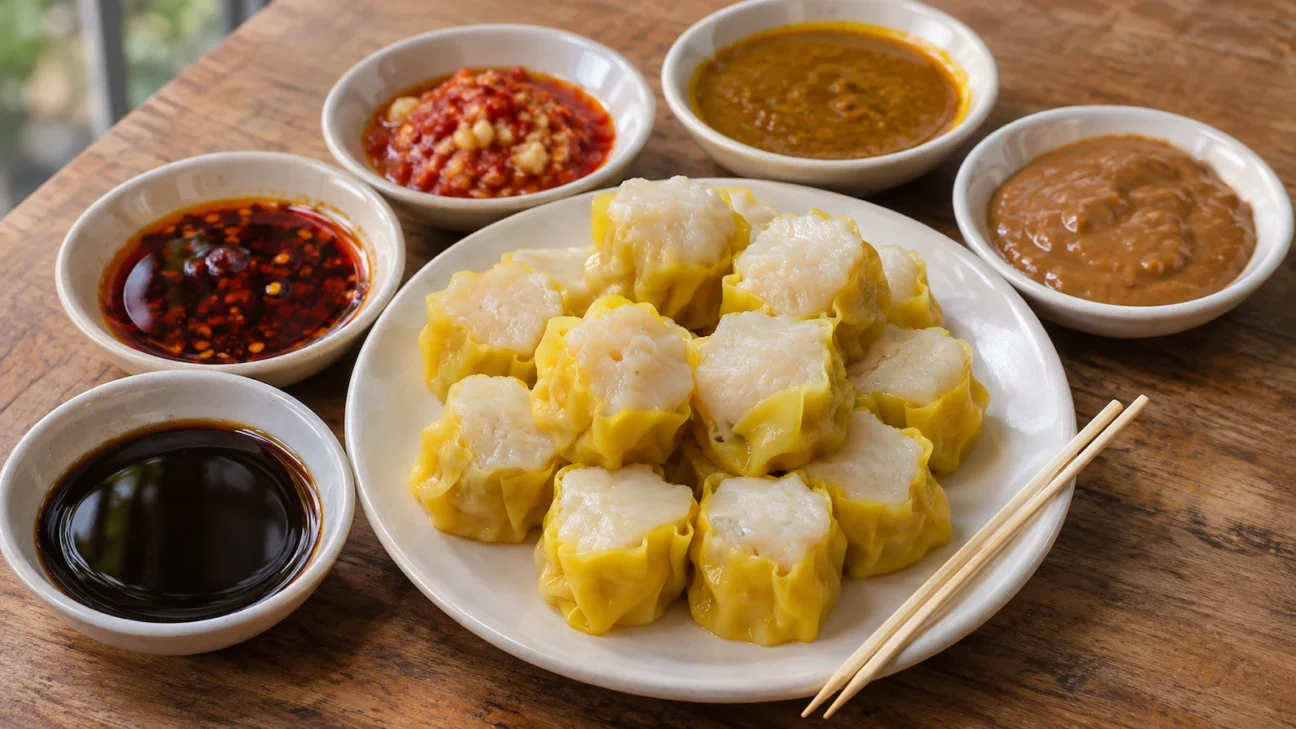
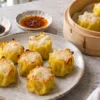
Sweet soy sauce brings out the flavour of freshly steamed fish siu mai. Add a few drops of chilli oil for the familiar Hong Kong street-food taste. Try garlic chilli sauce or satay sauce with pan-fried siu mai for a bolder flavour.
Table of Contents
Here are five dips for recreating a Hong Kong street snack at home or trying something different: sweet soy sauce, a chilli oil blend, garlic chilli sauce, Hong Kong–style curry sauce and satay sauce. Each comes with a simple recipe and serving tips.
Which sauces go best with fish siu mai?
For the classic flavour of Hong Kong street snacks, start withsweet soy sauce and chilli oil. Sweet soy adds a salty-sweet flavour, and chilli oil adds heat and aroma. Adjust the ratio to taste.
If you prefer less heat, use sweet soy sauce on its own. For a more pronounced spice flavour, try curry or satay sauce.
Choose a sauce based on the flavours you like:
- Classic Hong Kong flavour:Sweet soy sauce with chilli oil for a salty-sweet dip with a little heat.
- For a fragrant, spicy dip:Garlic chilli sauce for a garlicky, tangy kick.
- For a spiced sauce:Hong Kong–style curry sauce, which is richer and also suits fish balls.
- For a rich, savoury sauce:Satay sauce for a different flavour.
What different sauces bring to fish siu mai
Hong Kong street-style fish siu mai differs from the siu mai usually served in teahouses. The street version typically has a fish filling in a siu mai wrapper, served steamed with sauce. Recipes, seasoning and textures vary by shop and product.
Different sauces give the same fish siu mai different flavours. Sweet soy adds a salty sweetness, chilli oil adds heat and aroma, and a thicker curry sauce coats the wrapper.
Strong sauces can easily overpower a well-seasoned siu mai. Taste one on its own first and add only as much sauce as you like.
Five Hong Kong–style sauces compared
Alongside sweet soy sauce and chilli oil, here are a few other familiar Hong Kong sauces. Compare their flavours, textures and pairings.
| Sauce | Main flavour | Texture | Suggested pairings |
|---|---|---|---|
| Sweet soy sauce | Sweet and salty | Light and easy to dip with siu mai | Steamed fish siu mai |
| Chilli oil blend | Savoury with a spicy kick | Fragrant chilli oil | Hong Kong street-style siu mai |
| Garlic chilli sauce | Garlicky, tangy and spicy | Varies with the chilli sauce used | Steamed or pan-fried siu mai |
| Hong Kong–style curry sauce | Richly spiced | Can be thickened as desired | Fish siu mai and curry fish balls |
| Satay sauce | Rich and aromatic, with a spiced flavour | Usually thick | Pan-fried siu mai and skewered snacks |
These are simple home recipes. Adjust the amounts to taste and to the strength of the sauces you start with.
1. Sweet soy sauce: A Hong Kong street-food classic
Sweet soy sauce is a good place to start for familiar Hong Kong–style fish siu mai. Add sugar and water to light soy sauce to balance the sweetness and saltiness to taste.
Ingredients
- 1 tablespoon light soy sauce
- 1 tablespoon water
- 1 teaspoon granulated sugar
Method:
- Combine the light soy sauce, water and sugar in a small saucepan.
- Heat gently and stir until the sugar has dissolved.
- Taste and adjust the sweetness and saltiness. Serve as a dipping sauce.
Suggested pairing:Serve with freshly steamed fish siu mai. Dilute with a little water if the sauce tastes too strong.
2. Chilli oil blend: Sweet soy and chilli oil, street-food style
Hong Kong street snack shops often pair sweet soy sauce with chilli oil. Heat and aroma vary by oil, so start with a little the first time.
Ingredients
- 2 teaspoons prepared sweet soy sauce
- 1 teaspoon chilli oil, or to taste
Method:
- Pour the sweet soy sauce into a small dish.
- Add a little chilli oil.
- Stir gently and taste before adding more heat.
Suggested pairing:Serve with piping-hot steamed fish siu mai. You can also pour on the sweet soy first and add the chilli oil a little at a time.
3. Garlic chilli sauce: Garlicky and tangy
For a change from soy sauce, make a simple dip with garlic chilli sauce. A little rice vinegar gives it a sharper tang to go with the heat.
Ingredients
- 1 tablespoon ready-made garlic chilli sauce
- ½ teaspoon rice vinegar
- 1 teaspoon water
Method:
- Place the garlic chilli sauce in a bowl.
- Add the rice vinegar and water and mix well.
- Taste first, then adjust for the acidity and heat of the chilli sauce you used.
Suggested pairing:Use it as a dip for steamed siu mai or with lightly crisp pan-fried siu mai.
Garlic chilli sauces vary by brand. Add rice vinegar gradually so the dip does not become too sour.
4. Hong Kong–style curry sauce: A spiced dip for siu mai and fish balls
If you enjoy Hong Kong’s street-style curry fish balls, try pouring curry sauce over fish siu mai or serving both together with the dip.
Ingredients
- 1 teaspoon curry powder
- 1 teaspoon cooking oil
- 4 tablespoons water
- ½ teaspoon granulated sugar
- ½ teaspoon cornflour, mixed with a little extra water
Method:
- Heat the oil in a small saucepan over low heat.
- Add the curry powder and stir gently. Keep it from burning.
- Gradually add the water and sugar, stirring, then cook until the sauce is smooth.
- Add the cornflour slurry and stir until it reaches the thickness you like.
- Taste and adjust the seasoning. Serve with siu mai cooked according to the product directions.
Suggested pairing:Good for those who prefer a fuller-flavoured sauce. It also works with fish balls and other Hong Kong snacks.
The spice blend and heat vary by brand, so adjust the proportions to taste. Add the cornflour slurry a little at a time to thicken the sauce, or add more water to make it easier to dip.
5. Satay sauce: A rich, aromatic alternative
Satay sauce originated in Southeast Asia and is familiar in Hong Kong in dishes such as satay beef, skewers and other snacks. It also makes a good dip for fish siu mai, especially pan-fried ones.
At home, start with ready-made satay sauce and adjust its consistency.
Ingredients
- 1 tablespoon ready-made satay sauce
- 1 to 2 teaspoons warm water
- A little chopped spring onion, optional
Method:
- Put the satay sauce in a small bowl.
- Gradually stir in warm water until it is thin enough for dipping.
- Taste and add chopped spring onion if you like.
Suggested pairing:Serve with pan-fried siu mai or use as a dip for skewered snacks.
Check the ingredient and allergen information when buying satay sauce. Some recipes contain peanuts, sesame or other allergens.
Three tips for pairing fish siu mai with sauces
Tip 1: Taste the siu mai before adding sauce
Fish siu mai varies in texture and seasoning by brand or shop. Some varieties already have a strong flavour and need very little sauce.
Taste one plain and add sweet soy sauce, chilli oil or another sauce to taste. This keeps the flavour from becoming too salty or spicy.
Tip 2: Add chilli oil a little at a time
Chilli oils vary widely in heat and aroma. Too much can drown out both the sweet soy and the siu mai.
Start with a little when trying a new chilli oil. If you are serving a group, put the sweet soy sauce and chilli oil in separate dishes so everyone can mix their own.
Tip 3: Choose a sauce to suit the cooking method
Steamed and pan-fried siu mai have different surfaces. Adjust the amount of sauce accordingly.
Serve steamed fish siu mai with sweet soy sauce or a chilli oil blend that clings easily to the wrapper for a familiar street-food taste.
Try garlic chilli sauce or satay with pan-fried siu mai. Serve the dip on the side to keep the wrapper crisp until you eat it.
Four common mistakes when saucing fish siu mai
1. Adding too much sauce at first
Fish siu mai already has seasoning. Too much soy sauce or another strong dip can overwhelm its flavour.
How to fix it:Taste with a little sauce and add more if you like.
2. Adding a lot of chilli oil before tasting
Chilli oils vary so much in heat that the same quantity can taste very different.
How to fix it:Mix a small amount of chilli oil with the sweet soy sauce and taste before adjusting the ratio.
3. Letting the sauce get too thin or thick
Thin curry or satay sauce runs off the siu mai. Very thick sauce can be hard to dip into.
How to fix it:Add water gradually as appropriate. For homemade curry sauce, use a little cornflour slurry to adjust the thickness.
4. Pouring the same sauce on all the siu mai before serving
Some people prefer sweet soy, others like chilli oil, and others want to try satay or curry.
How to fix it:At a family get-together or party, serve the siu mai and sauces separately so guests can choose.
Serving fish siu mai, from street snacks to parties
Serve fish siu mai with other Hong Kong snacks as well as with dips, for an easy afternoon tea or party spread.
- Classic street snack:Steamed fish siu mai with sweet soy and chilli oil has the familiar flavour of Hong Kong street snacks.
- Siu mai and fish ball duo:Serve fish siu mai with curry fish balls and a small dish of curry sauce for dipping.
- Pan-fried siu mai:Follow the cooking directions for siu mai suitable for pan-frying, then fry until lightly crisp. Serve with garlic chilli sauce or satay sauce.
- Party dip platter:Put sweet soy, chilli oil blend, curry sauce and other options in small dishes so everyone can try their own combinations.
Thaw and cook frozen siu mai according to the package. Make sure it is cooked through before serving it with sauce.
Fish siu mai sauces: frequently asked questions
1. Is sweet soy sauce or chilli oil better with fish siu mai?
Both are classic. Use sweet soy for a salty-sweet flavour or add a little chilli oil for an aromatic kick. Try them separately first and then adjust the ratio to your liking.
2. Can I use regular soy sauce if I have no sweet soy sauce?
Yes. Mix light soy sauce, water and a little sugar. Heat until the sugar dissolves. Soy sauces differ in saltiness, so taste before settling on a ratio.
3. What else can I dip fish siu mai in besides soy sauce?
Try garlic chilli sauce, curry sauce or satay as well as the classic sweet soy and chilli oil. Add a little rice vinegar to a suitable sauce if you prefer a tangier dip.
4. Should I steam frozen fish siu mai before adding the sauce?
Follow the cooking directions on the pack and add sauce only once the siu mai is fully cooked. Thawing, cooking method and timing vary by product.
5. Can I make fish siu mai sauces ahead?
Some sauces can be made ahead, depending on the ingredients and sauces you use. At home, make the amount you need and serve it freshly mixed when possible. Follow the pack’s storage instructions after opening ready-made sauces. Storage time varies among homemade sauces.
6. Which allergens should I look for in fish siu mai and its sauces?
Ingredients and allergens vary by brand. Some satay sauces contain peanuts or sesame, while some soy sauces contain soybeans or wheat. Check the packaging for both the siu mai and the sauces, particularly if you have a food allergy.
Summary: Choosing a sauce for Hong Kong–style fish siu mai
Choose whichever sauce you like best. Start with sweet soy and chilli oil for the classic Hong Kong street-food flavour, or try garlic chilli, curry or satay for a change.
Taste first, add the sauce a little at a time and pick one that suits how you cooked the siu mai. Next time you steam fish siu mai at home, compare two or three dips and see which you like best.
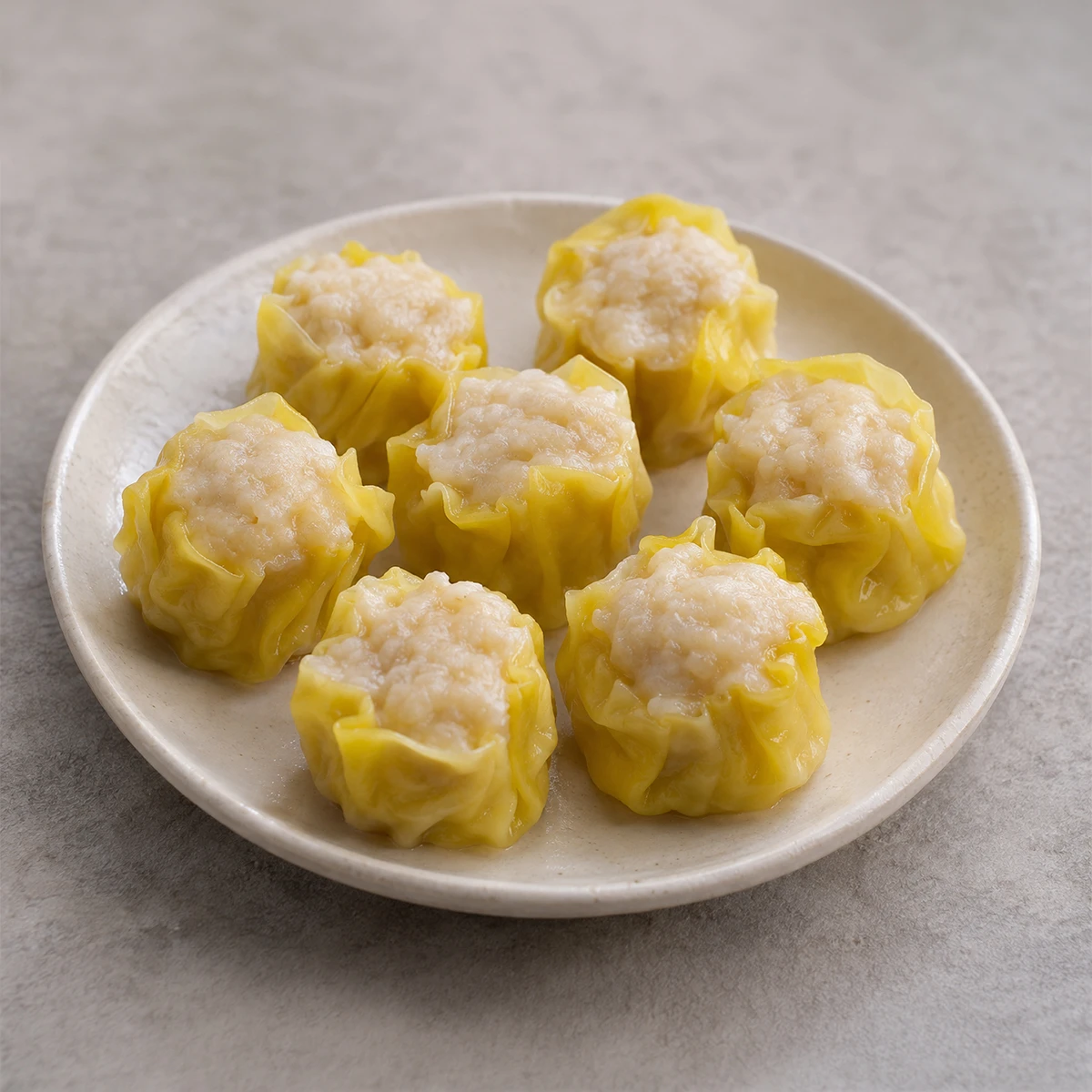
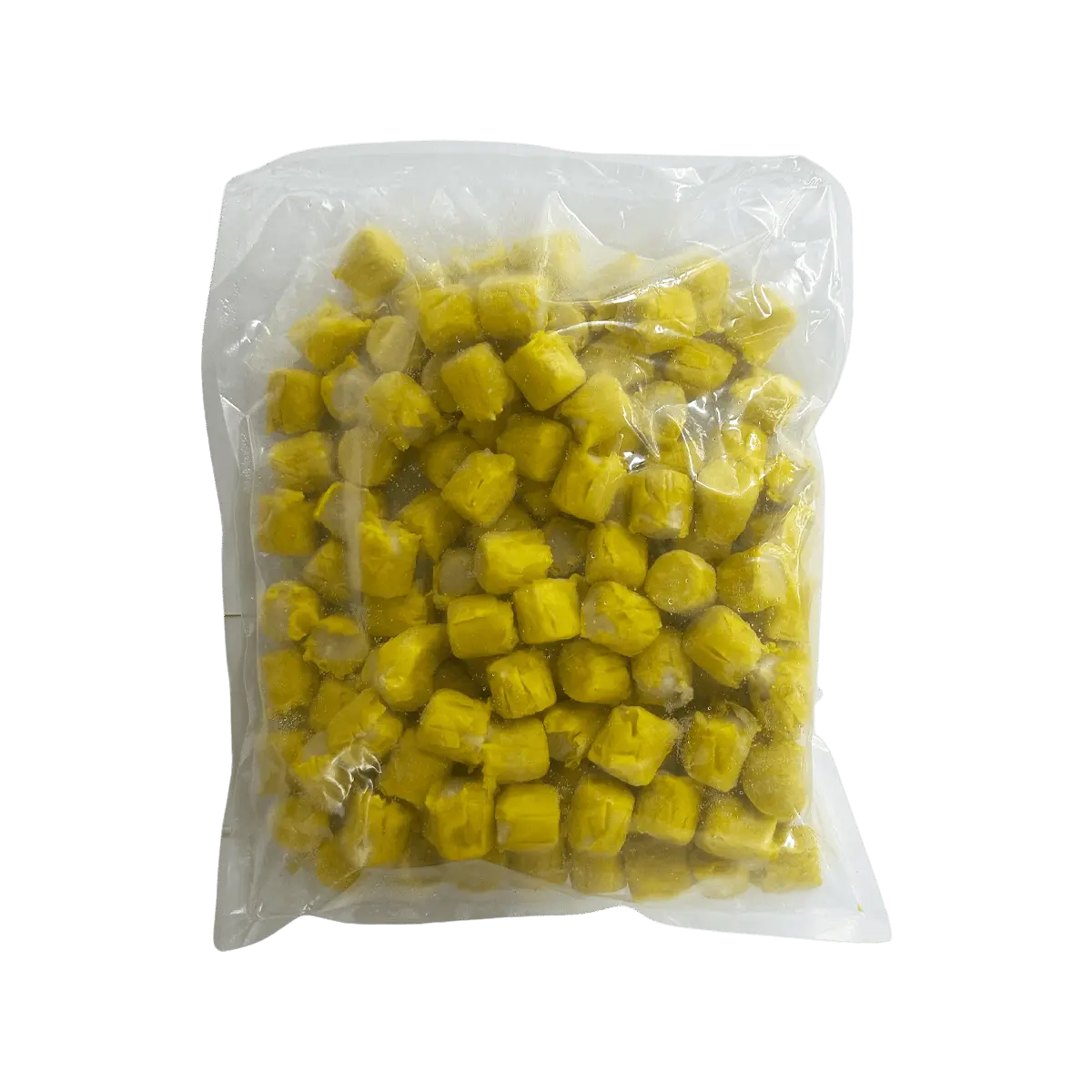
For related ingredients and recipes, seeFish siu mai、How to air-fry fish siu mai until crisp outside and tender inside。
For frozen ingredients or foods that need cooking, seeCentre for Food Safety guidance on cooking. Follow the cooking instructions on the pack.
Comments are closed.