
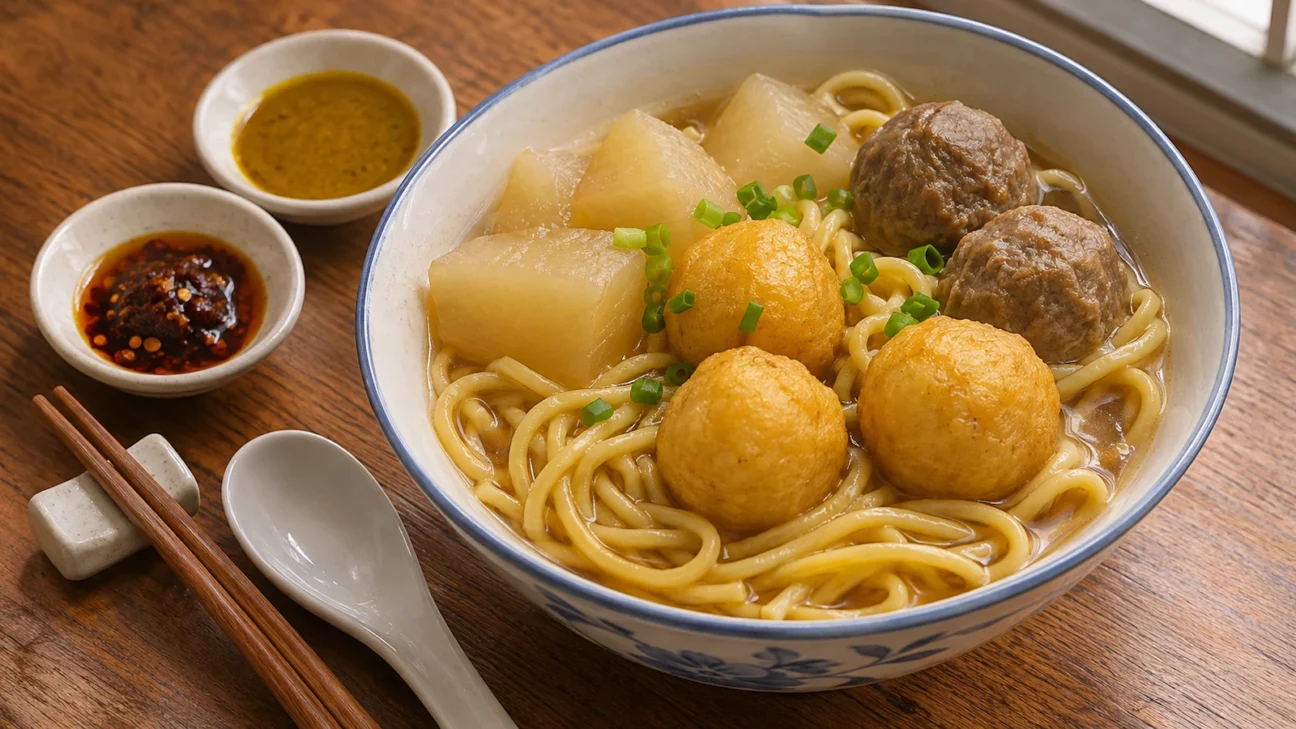
To make Hong Kong cart noodles at home, cook the radish until tender, then cook the fish balls and beef balls according to their pack instructions. Cook the noodles separately at the end. Add the broth and one main sauce to each bowl, then taste before adding more. Try fish balls with curry sauce or beef balls with satay sauce.
Table of Contents
Fish balls, beef balls and radish are a familiar combination in Hong Kong cart noodles. Add curry, satay, chu hou or chilli sauce to suit your taste. This guide covers portions, preparation and sauce pairings, with options for adapting the recipe to what you have.
A note on preparation.Ingredients, allergens, storage directions and cooking instructions vary between brands of fish balls, beef balls, sauces and other prepared foods. Check the pack and manufacturer's instructions for the specific product. The recipe gives no product-specific meat or fish percentages, nutritional values, additives or cooking times.
What Matters Most When Making Hong Kong Cart Noodles at Home?
Keep the method simple.Prepare the noodles, toppings and broth separately, then put them together at the end.
Cooking everything in the same pot from start to finish is convenient, but the noodles can go soft before the radish has taken on enough flavour. Adding a rich sauce early also makes it harder to control the saltiness and consistency.
Start with the radish and other ingredients that need time to soften. Follow the pack instructions for the fish balls and beef balls. Cook the noodles and adjust the seasoning at the end. This gives you better control over the texture and lets everyone choose a sauce and spice level.
What Makes Fish Ball, Beef Ball and Radish Cart Noodles Special?
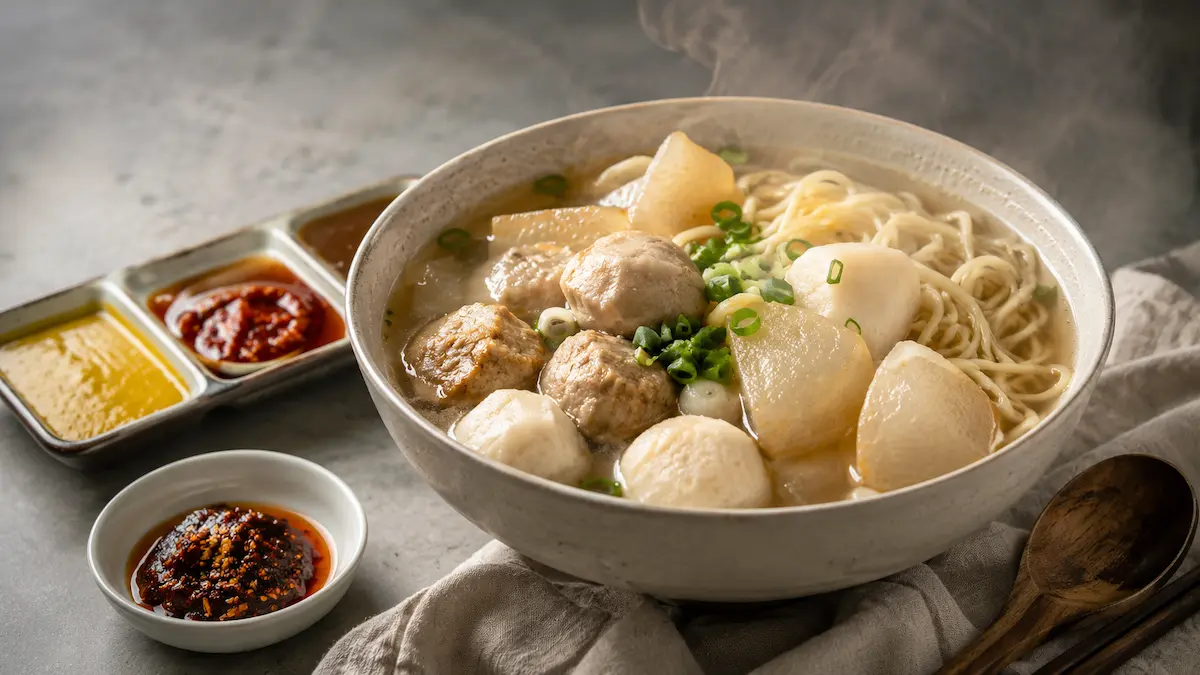
A good bowl of cart noodles gets its character from a mix of textures. Fish balls and beef balls are springy or firm, while radish turns soft and absorbs the broth. The three work well together.
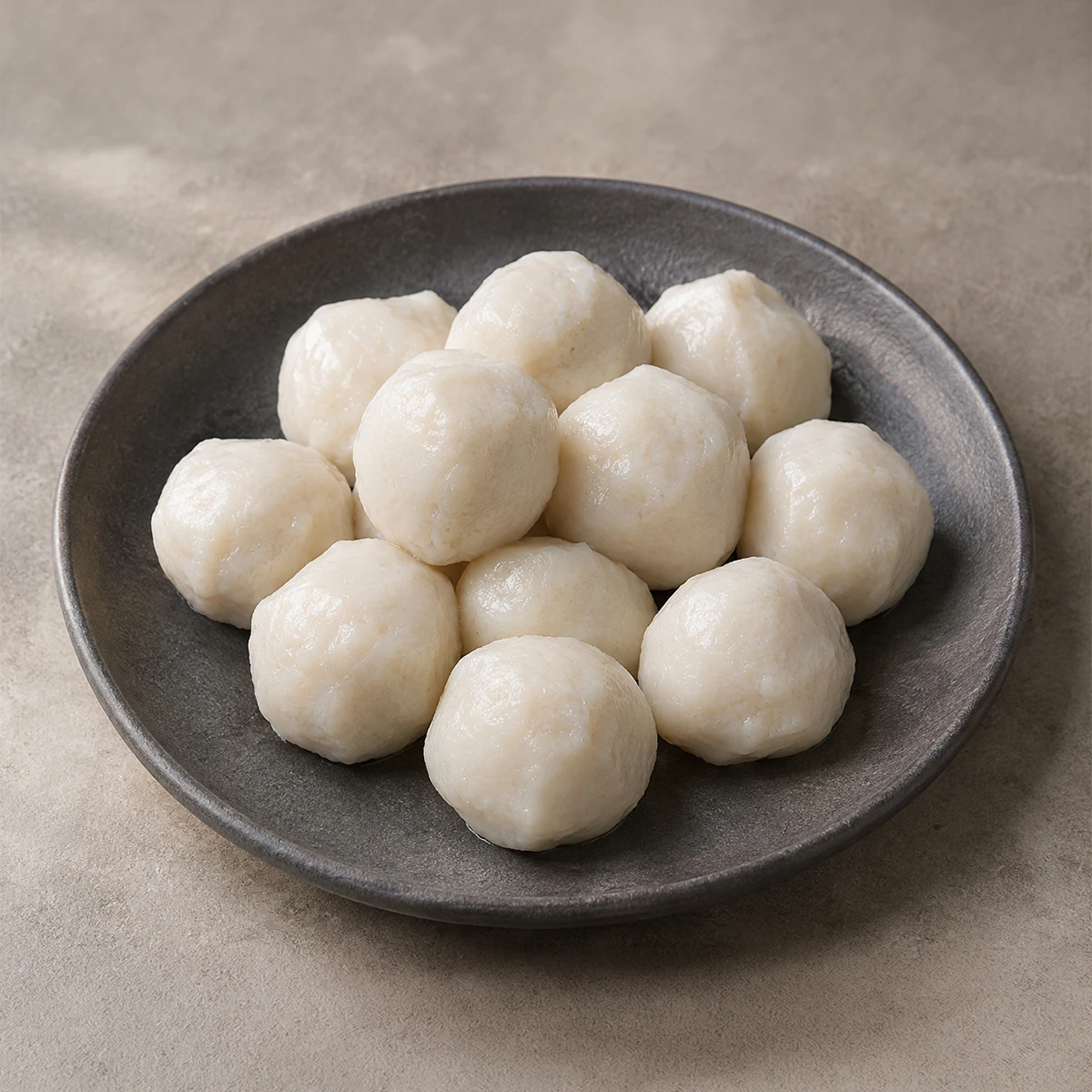
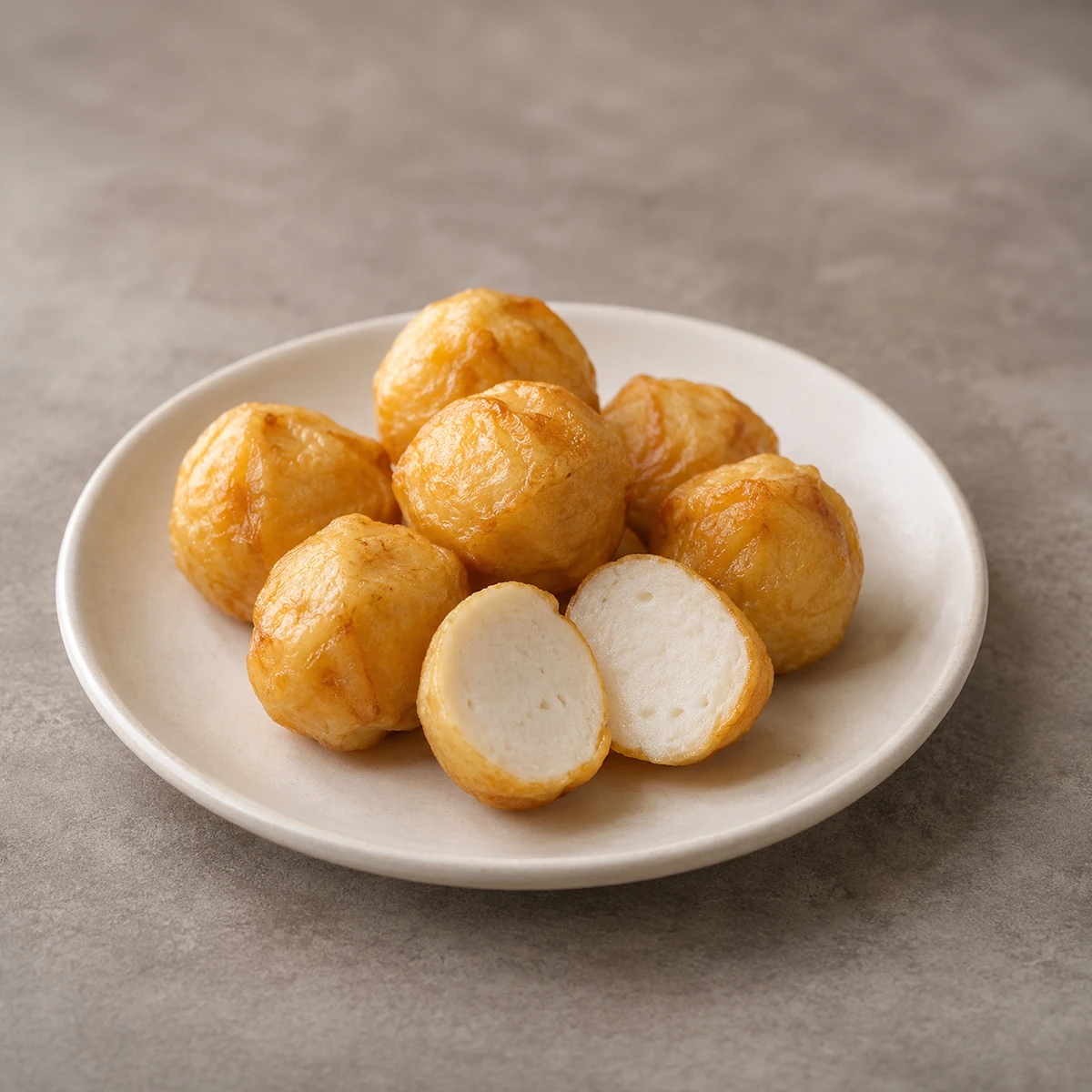
Fish Balls.Pair with curry sauce, chilli sauce or a richer broth. Flavour and texture vary by product, so follow the pack instructions for cooking.
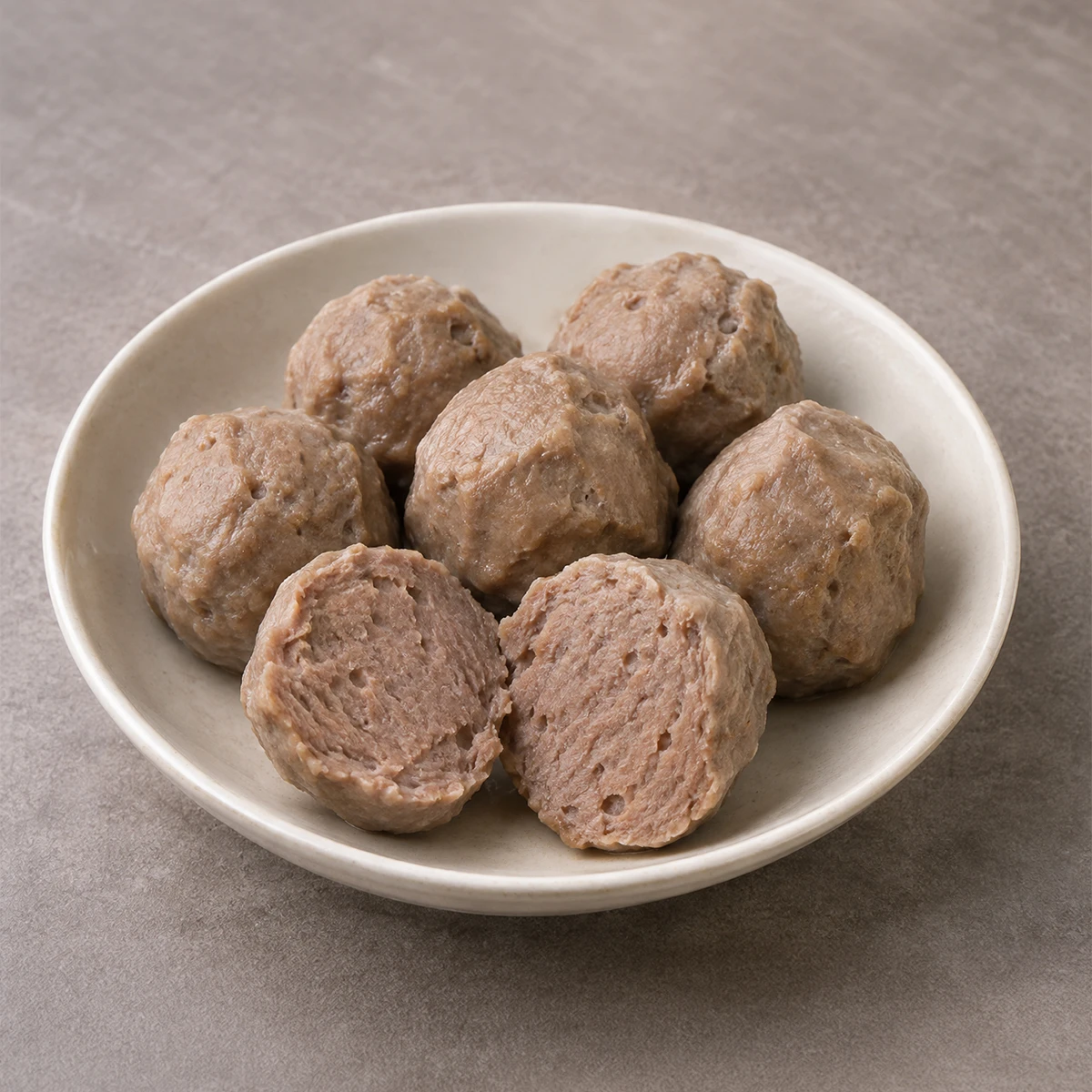
Beef Balls.Try them with satay, chu hou, chilli or another rich sauce. Check the pack for the types and proportions of meat in the product.
Radish.Radish soaks up broth. For a cart noodle-style bowl, cook it until tender and let it sit in the broth a little longer, so the flavour reaches the centre.
Pairing Fish Balls, Beef Balls, Radish and Noodles
| Ingredient | Texture Characteristics | Preparation | Pairs well with | What to Watch For |
|---|---|---|---|---|
| Fish Balls | Usually springy, depending on the product | Follow the pack instructions and heat through | Curry sauce, chilli sauce or clear broth | Check the cooking time for each brand |
| Beef Balls | Usually firm | Follow the pack instructions and heat through | Satay, chu hou or chilli sauce | Check the pack for ingredients and allergens |
| White Radish | Tender and good at soaking up broth | Cut into chunks and cook to the desired tenderness | Curry sauce, chu hou sauce or clear broth | Larger pieces usually take longer to soften |
| Yellow Oil Noodles | Silky, with the texture of traditional cart noodles | Cook to the desired texture according to the pack | Rich sauces, curry or satay | Avoid leaving the noodles in hot broth for too long |
| Rice Vermicelli | Light and quick to absorb broth | Soak or cook according to the pack instructions | Clear broth, chilli sauce or satay | Preparation varies with the thickness of the rice vermicelli |
| Flat Rice Noodles | Soft and silky | Heat until the noodles reach the desired texture | Clear broth, beef broth or richer sauces | Handle gently to keep the noodles intact |
Hong Kong Cart Noodle Recipe with Fish Balls, Beef Balls and Radish
Suggested servings:Serves 2
Prep time:About 15 minutes
Cooking time:Allow about 20–30 minutes or more. The exact time depends on the size of the radish pieces, your noodles and the instructions on any prepared ingredients.
Ingredients
- 2 servings of yellow oil noodles, rice vermicelli, flat rice noodles or another noodle of your choice
- About ½ a white radish, peeled and cut into chunks
- Fish balls, as needed
- Beef balls, as needed
- Water or broth, as needed
- Chopped spring onion, optional, to taste
- Chillies or other toppings, optional, to taste
Adjust the amount of fish balls and beef balls to suit your appetite. Check the labels of prepared ingredients for allergens, storage and cooking instructions.
Seasonings
- Curry sauce, to taste
- Satay sauce, to taste
- Chu hou sauce, to taste
- Chilli sauce or chilli oil, to taste
- A little soy sauce or other seasoning, as needed
Start with one main sauce, then add a little of another to taste. Adding every sauce at once can make the bowl too salty or rich and mask the individual flavours.
Step-by-Step Instructions
- Cook the radish first.Peel the white radish and cut it into evenly sized chunks. Cook it in water or broth until a chopstick slides in easily and the radish is as tender as you like.
- Season the radish.For a stronger cart noodle flavour, add a little curry sauce, chu hou sauce or your chosen main sauce once the radish starts to soften. Let it continue to absorb the broth.
- Cook the fish balls and beef balls.Follow the cooking directions on each pack and make sure the fish balls and beef balls are heated through. Cooking times can vary with the size, ingredients and starting temperature.
- Cook the noodles in a separate pot.Cook the noodles according to their pack instructions, then drain them when they reach your preferred texture. Yellow oil noodles, rice vermicelli and flat rice noodles need different preparation.
- Assemble the bowls.Put the noodles in the bowls and add the radish, fish balls and beef balls.
- Add the broth.Ladle in as much of the radish cooking liquid or your prepared broth as you like. Use less if you prefer tossed noodles.
- Add the sauce last.Add a little of the main sauce, stir, then taste before adding more. Add chilli sauce or chilli oil at the end so you can control the heat.
How Do You Pair Cart Noodle Sauces?
One of the pleasures of cart noodles is choosing your sauce. Start with one main sauce and a small amount of a second one, then adjust to taste.
| Sauce | Flavour | Best With | How to Use It |
|---|---|---|---|
| Curry | Rich and fragrant | Fish balls, radish and yellow oil noodles | Cook the radish with a little curry sauce, then adjust the strength in the bowl. |
| Satay | Rich and aromatic | Beef balls, fish balls and rice vermicelli | Start with a little so it does not overpower the toppings. |
| Chu Hou | Deep and savoury | Radish, beef balls and noodles | Simmer it with the radish or add a little as seasoning. |
| Chilli Sauce | Hot and lively | Fish balls, beef balls and any noodles | Add a little at a time at the end to control the heat. |
| Clear Broth with a Little Sauce | Light and clean-tasting | For diners who want the texture of the toppings to stand out | Start with clear broth. Serve sauce for dipping or stir a little into each bowl. |
How to Cook Cart Noodles at Home
Tip 1. Cook the Slowest Ingredients First
Radish takes time to soften, while quick-cooking noodles lose their texture if they stay on the heat too long. Give each ingredient the cooking time it needs.
Cook the radish first, then the fish balls and beef balls. Leave the noodles until you are nearly ready to serve.
Tip 2. Add Sauce a Little at a Time
Curry, satay, chu hou and chilli sauces can vary widely in strength and saltiness. Stir in a little first and add more to taste.
This is especially helpful when mixing two or more sauces, as it is easier to add more than to dilute an overly strong bowl.
Tip 3. A Few Well-Chosen Toppings Are Enough
A long list of fish balls, beef balls, pork skin, radish, squid, chicken wings and sausages leaves you with a lot of preparation for a little of each topping.
One type of noodles, two toppings, radish and one main sauce already make a varied bowl. Get comfortable with that combination, then try other toppings.
Cooking Tips for a Better Texture
- Cut the radish into even pieces.This helps all the pieces become tender at the same time.
- Cook the noodles towards the end.Wait until the toppings are nearly ready, so the noodles do not absorb liquid and soften while they sit.
- Follow the pack instructions for the fish balls and beef balls.Floating, colour or a fixed cooking time alone cannot tell you whether every product is heated through.
- Add rich sauces at the end.If you add too much sauce too early, the flavour is hard to adjust.
- Season each bowl to taste.Keep the shared broth simple so everyone can decide how much chilli to add.
Common Mistakes When Making Cart Noodles
Mistake 1. Cooking Everything in One Pot
Problem:Ingredients need different preparation. Cooking them together can make the noodles too soft before the other ingredients are ready.
How to fix it:Cook the radish, fish balls, beef balls and noodles in stages, then assemble the bowls.
Mistake 2. Starting With Too Much Sauce
Problem:Adding a lot of curry, satay, chu hou and soy sauce at once can make the flavour too strong.
How to fix it:Choose one main sauce. Add a little, taste, then decide if you want a second one.
Mistake 3. Cutting the Radish Too Thick and Rushing It
Problem:The outside may taste seasoned before the centre is tender.
How to fix it:Cut even, medium-sized pieces, cook until tender and let them sit in the broth to absorb the flavour.
Mistake 4. Leaving Cooked Noodles Sitting Too Long
Problem:Noodles keep absorbing water or broth and can lose their texture.
How to fix it:Get the bowls and toppings ready first. Cook the noodles at the end and assemble the bowls promptly.
Mistake 5. Cooking All Fish Balls and Beef Balls the Same Way
Problem:Cooking requirements can vary by brand, size and starting temperature.
How to fix it:Follow the cooking method and timing on the pack and make sure the food is heated through.
Substitutions for Ingredients You Do Not Have
Cart noodles are flexible. Use the ingredients you have to build a bowl you like.
- Without yellow oil noodles.Use rice vermicelli, flat rice noodles, round rice noodles or another noodle that works in broth. Follow the preparation instructions for the noodles you choose.
- Choosing fish balls.Fried fish balls work well with curry sauce. For a clearer taste, try white fish balls in a light broth. You can use other fish balls or meatballs you have at home, cooked according to their pack instructions.
- Without beef balls.Add more radish or another topping you enjoy.
- Without white radish.Make fish ball and beef ball noodles, or add your favourite vegetable.
- For a bowl without chilli heat.Use clear broth, a mild non-curry sauce or a little soy sauce.
- For a lighter flavour.Use clear broth and serve sauce separately for dipping, so you can control the strength in each bite.
Check the pack labels of prepared ingredients and sauces for any ingredients or allergens you need to avoid.
Serving and Pairing Suggestions
Combination 1. Curry Fish Balls, Radish and Yellow Oil Noodles
Let the radish absorb the curry broth, then add the fish balls and noodles when assembling the bowl. Add more sauce for a stronger flavour or use more broth to keep it light.
Combination 2. Satay Beef Balls with Rice Vermicelli
Rice vermicelli absorbs broth readily. Use satay for the main flavour, with beef balls and radish. Start with a little sauce if it is particularly strong.
Combination 3. Fish Balls, Beef Balls and Radish
Use both fish balls and beef balls if you like. Their different textures and the soft radish work well with a simple sauce.
Combination 4. Clear Broth and Sauce on the Side
This works well when everyone likes a different spice level. Put the noodles, fish balls, beef balls and radish into a simple broth and offer curry sauce, chilli sauce or other sauces on the side.
Frequently Asked Questions
Which Noodles Work Best for Homemade Cart Noodles?
Yellow oil noodles give you a traditional silky texture. Rice vermicelli absorbs broth readily, and flat rice noodles are soft and smooth. Follow the pack instructions whichever noodles you choose.
How Long Do Fish Balls and Beef Balls Need to Cook?
Cooking time can vary by brand, size, starting temperature and pack instructions. Follow the directions for each product and heat it through before serving.
How Do You Give the Radish More Flavour?
Cook the radish until it starts to soften, then add a little of the main sauce or seasoned broth and continue cooking. Let it sit in the broth afterwards. Even-sized pieces help it cook evenly.
How Do You Keep the Curry Broth From Becoming Too Strong?
Start with a light broth and stir in the curry sauce a little at a time. Taste after each addition and stop when the flavour is right.
Can You Combine Curry, Satay and Chu Hou Sauces?
Mix them to taste. Start with one main sauce and use a little of a second sauce to round it out. Ingredients and flavours vary by brand, so check the packs if you need to avoid allergens.
Can You Prepare Cart Noodles the Night Before?
Prepare the toppings that take longer ahead of time, then cook the noodles just before serving so they do not sit in broth. Follow the product label and relevant food safety guidance for storing and reheating opened or cooked food.
Summary
When makingcart noodles at home, focus on four things. Cook the radish first, prepare the fish balls and beef balls according to their packs, cook the noodles last, and add the sauce gradually. That helps prevent soft noodles, undercooked radish and an overly rich broth.
For your first bowl, start withfish balls, beef balls, radish and one type of noodle. Choose curry, satay, chu hou or chilli as the main sauce. Once you know the basic combination, add other toppings to find your favourite version.
Check the individual packs and manufacturers' instructions for ingredients, allergens, storage and cooking requirements for fish balls, beef balls, sauces and other prepared foods.
For related ingredients and recipes, seeFried Fish Balls、Fresh Beef Balls。
For general food safety advice on cooking, seeCentre for Food Safety guidance on cooking。
Further ReadingGuide to Noodle Soup Toppings。
Comments are closed.