
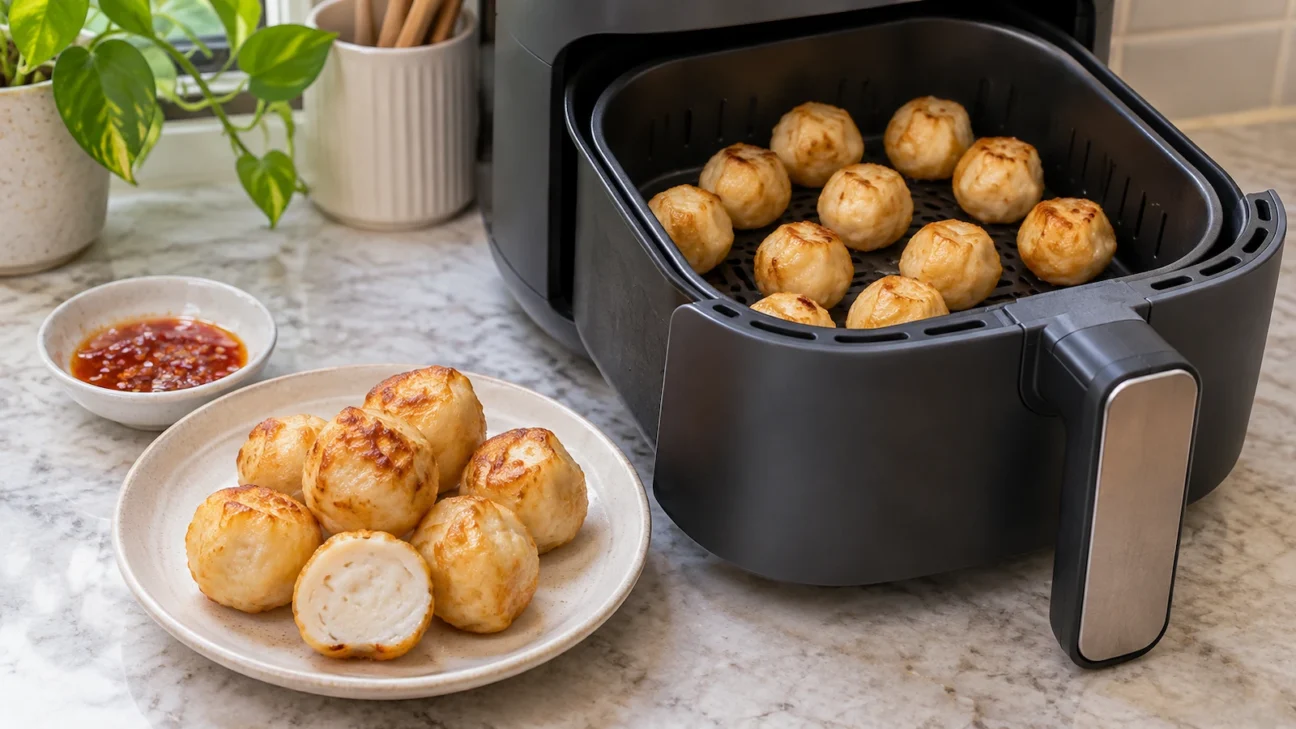
For a crisp exterior and a springy centre, spread the fish balls in a single layer, shake the basket partway through and cook a little longer if needed. Check the package before air-frying them from frozen, and make sure they’re heated through even after the outside has browned.
Table of Contents
For a lightly crisp exterior and a springy centre, cooking time is just one factor. Also considerthe temperature, the size of the fish balls, whether they’re frozen, how full the basket is and whether you turn them partway through. These are general guidelines for a home air fryer. Fish balls and appliances vary, so follow the product packaging and air fryer manual first.
What temperature and how long should you air-fry fish balls?
If the package says you can cook the fish balls directly from frozen, try180°C as a starting temperature. Air-fry for about8 minutes, then check and turn the fish balls. If they aren’t heated through, continue in 2- to 3-minute increments.
The timer alone can’t tell you when the fish balls are ready. Their size, whether they are precooked or filled, the quantity in the basket and how your air fryer heats all affect the time. For the actual cooking time,follow the package directions and check that the fish balls are heated through。
Hong Kong’s Centre for Food Safety says some small frozen foods can be cooked from frozen according to the package instructions. When cooking or reheating, heat the centre thoroughly. If using a food thermometer, the Centre recommends holding the centre at 75°C or above for at least 30 seconds.
What happens when you air-fry fish balls?
An air fryer circulates hot air rapidly, so moisture evaporates from the surface of the fish balls and they can develop a dry, lightly toasted exterior. The Centre for Food Safety describes an air fryer as a small convection oven that uses a fan to circulate hot air.
If the fish balls are naturally springy, aim for a crisp outside while keeping that texture in the centre. Too much heat or time dries them out and can make them hard on the outside and dry inside.
Air-frying can also use less oil. Cook the fish balls without oil, or give them a light spray of cooking oil for more browning if you prefer.
Air-frying from frozen vs after thawing
| Method | Texture and handling | Timing | When to Use It |
|---|---|---|---|
| Air-frying directly from frozen | Most convenient, but the centre takes longer to heat | Air-fry for a while, turn the fish balls, then continue in short increments | Products labelled suitable for cooking directly from frozen |
| Air-frying after thawing in the fridge | The outside and centre tend to heat at a similar rate | Usually easier to control. Adjust to the size of the fish balls and your air fryer | When the instructions require thawing first or the fish balls are larger |
| Cooking at high heat from start to finish | Browns the outside faster, with more risk of drying or hardening | Less room for error | Best avoided on your first attempt |
Some fish balls need thawing before cooking. Products may be raw, cooked, fried or filled, and similar-looking fish balls can require different cooking methods. Check the package first.
How to air-fry fish balls
Suggested servings:About two servings, depending on appetite and the size of the fish balls
Prep time:About 3 minutes
Cooking time:Check after about 8 minutes, then add 2 to 3 minutes at a time if needed. Follow the package instructions and check that the fish balls are heated through.
Ingredients and seasonings
- Frozen fish balls, as needed
- Cooking oil, a little for spraying the surface, optional
- Curry sauce, sweet sauce, chilli sauce or another sauce of your choice, as needed, optional
Ingredients, fish content, nutrition and allergens vary between products. Check the information on the package.
Step-by-Step Instructions
- Check the package first:Make sure the fish balls can be cooked from frozen. If the package says to thaw first, follow those directions.
- Preheat if your model requires it:Preheat if your air fryer manual calls for it. Otherwise, you can start cooking straight away.
- Arrange the fish balls in a single layer:Avoid stacking them. Leave space for hot air to circulate between the fish balls.
- Start at 180°C:Air-fry for about 8 minutes. Treat this as a first check for home cooking and adjust to your product.
- Turn partway through:Pull out the basket and shake it or turn the fish balls individually so all sides are exposed to the hot air.
- Add time in short increments:If the outside needs more crisping or the centre is still cold, add about 2 to 3 minutes at a time. Check between intervals.
- Make sure they’re heated through:Check that the centre is hot all the way through before eating. If you use a thermometer, follow the Centre for Food Safety’s cooking and reheating guidance for internal temperature.
- Add the sauce at the end:Wait until the fish balls are cooked before adding curry, sweet or chilli sauce, so the wet sauce doesn’t soften the exterior during cooking.
Tip 1: Leave room in the basket
Crowding restricts airflow, so some pieces may turn crisp while others stay damp or cold. The Centre for Food Safety also advises against overfilling air-fryer baskets and recommends turning food during cooking.
Tip 2: Shake the basket or turn the fish balls partway through
Even with circulating hot air, different parts of the basket heat differently. Turning the fish balls partway through helps them cook and brown more evenly.
Tip 3: Add a little time for extra crispness
If the fish balls are hot through after the first round at 180°C but the outside is still soft, air-fry in short increments. A sudden increase in temperature can darken and harden the outside quickly, with little benefit to the centre.
Common problems when air-frying fish balls
1. Dark outside but still cold inside
Cause:The temperature was too high for frozen fish balls, or the fish balls were particularly large.
What to do:Cook at a more manageable temperature and give the fish balls more time, turning them partway through. Thaw first if the package tells you to.
2. The fish balls are dry and hard
Cause:They may have cooked too long, or the temperature may have been raised repeatedly before they had time to brown.
What to do:Check them at the first suggested time, then add time in small increments. The aim is a dry exterior and a centre that still has moisture.
3. Some are crisp and others are still damp
Cause:The basket was too full, the fish balls overlapped, or they weren’t turned partway through.
What to do:Keep them in a single layer, cook in two batches if needed and shake the basket halfway through.
4. Thawed fish balls sat out for a long time
The Centre for Food Safety advises against thawing frozen food at room temperature for long periods. If thawing is required, follow the method on the package.
What can you use instead?
Beef balls, cuttlefish balls, pork balls and other similar foods may look alike, butthey may need different air-frying times. Size, ingredients, whether they’re already cooked and whether they’re filled can all change how they should be heated.
With another type of ball, you can use the same approach of leaving space, turning partway through and adding time in short increments. Check its package for the cooking temperature and time.
Serving and Pairing Suggestions
Hong Kong–style curry fish balls:Air-fry the fish balls until the outside is dry, then toss them in prepared curry sauce. Adding the sauce at the end helps preserve their texture.
Sweet sauce and chilli sauce:For a street-snack finish, add the sauces after air-frying and adjust the heat to taste.
With instant noodles or noodle soup:Air-fry the fish balls and add them to cooked noodles. Their texture will differ from fish balls simmered in the broth.
Fish ball skewers:Thread the fish balls onto skewers after air-frying. They’re easier to turn loose, and the skewers won’t take up basket space.
Frequently Asked Questions
Can you put frozen fish balls straight in an air fryer?
Some small frozen foods can be cooked from frozen, but this varies by product. If the package allows it, follow the directions for cooking from frozen. If it calls for thawing, follow that step.
Can you air-fry fish balls at 180°C?
180°C is a useful starting point for a home air fryer. The size of the fish balls, how frozen they are and your air fryer model all affect the result, so check them partway through.
How many minutes do fish balls take in an air fryer?
Check and turn the fish balls after about 8 minutes, then cook a further 2 to 3 minutes at a time as needed. Follow the package directions and make sure the fish balls are heated through.
Do fish balls need oil in an air fryer?
You can air-fry them without oil for a dry exterior, or lightly spray them with cooking oil if you want more browning. It also depends on which fish balls you’re using.
Why do fish balls split in the air fryer?
Temperature differences, moisture and pressure change as the fish balls heat, and some kinds may swell or split. Try a lower temperature or shorter intervals between checks if this keeps happening. With filled fish balls, follow the package instructions.
How do you get a crisp outside and a springy centre?
Avoid overcooking. Start at a moderately high temperature, turn the fish balls partway through and leave space between them. Once they’re heated through, crisp the outside in brief increments if it needs more time.
Summary
For lightly crisp, springy fish balls, make adjustments as they cook. A practical approach is tostart at 180°C, check and turn the fish balls after about 8 minutes, then add 2 to 3 minutes at a time as needed。
Cook frozen fish balls without thawing only when the package says you can. Ingredients, fish content, allergens, storage and cooking requirements vary by brand, so check the package for details.
Leave space in the basket, turn the fish balls during cooking and check them at short intervals. This helps prevent a hard exterior and a cold centre.
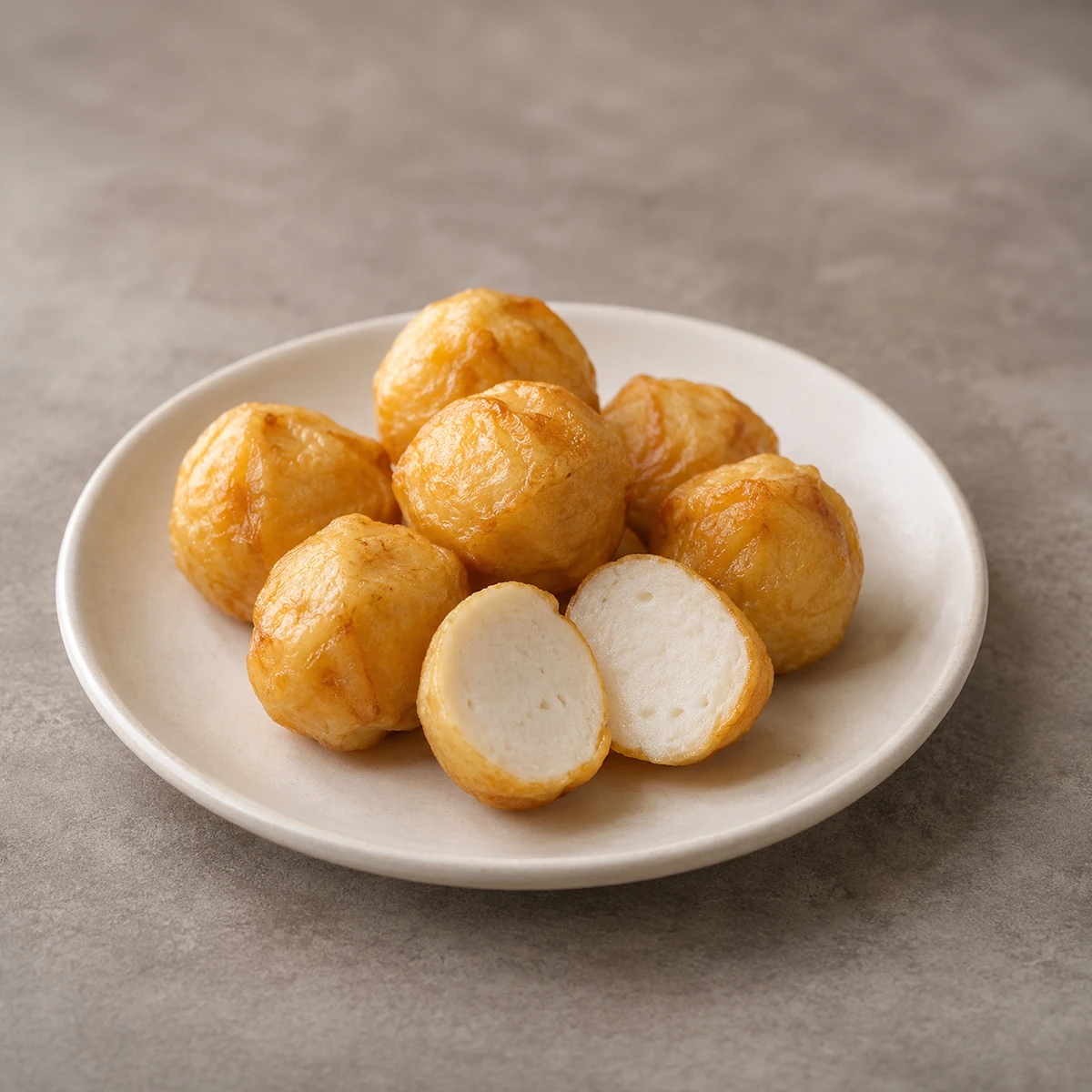
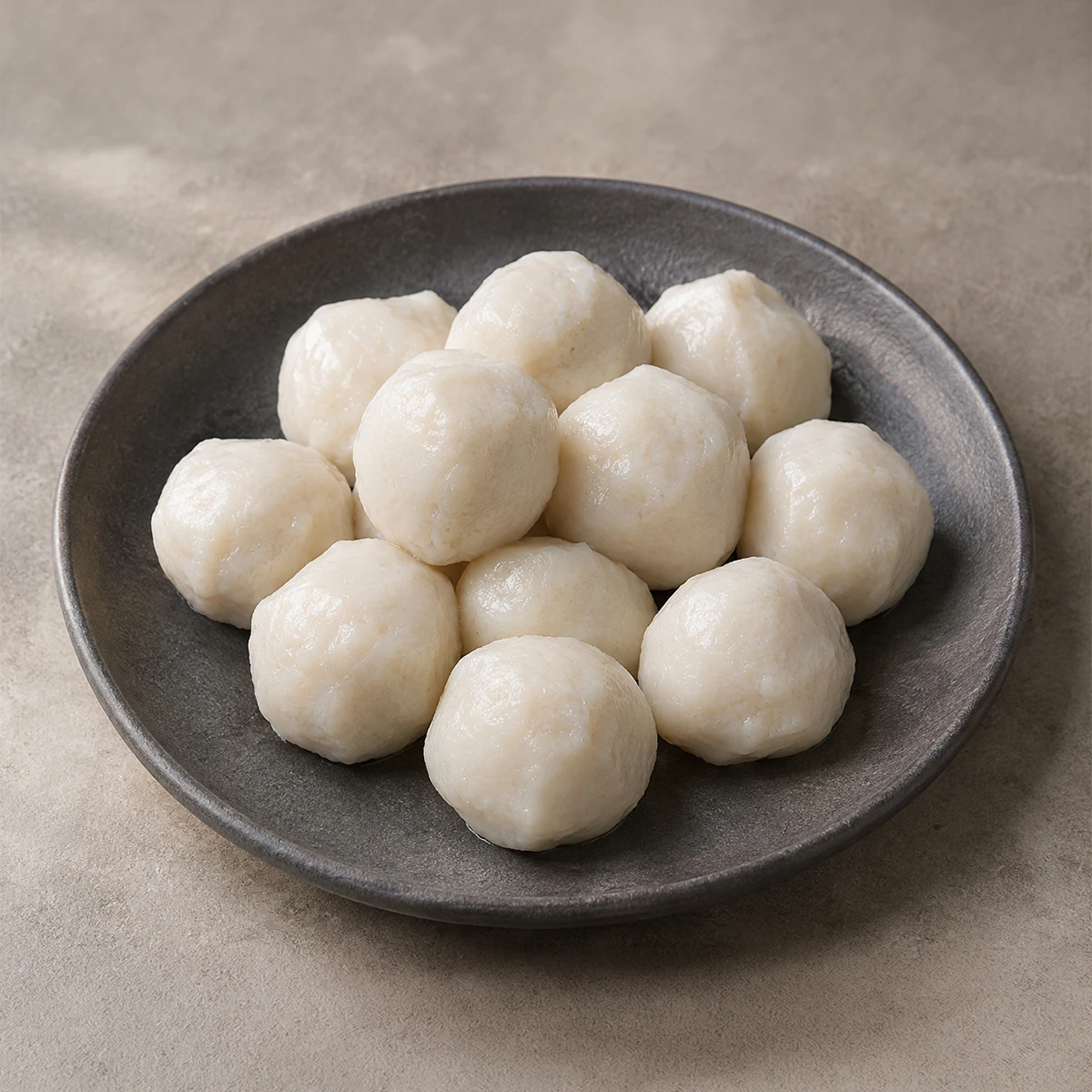
For related ingredients and recipes, seeFried Fish Balls、Chiu Chow White Fish Balls。
For general food safety advice on cooking, seeCentre for Food Safety guidance on cooking。
Further ReadingDifferences between three types of Hong Kong fish balls。
Comments are closed.