
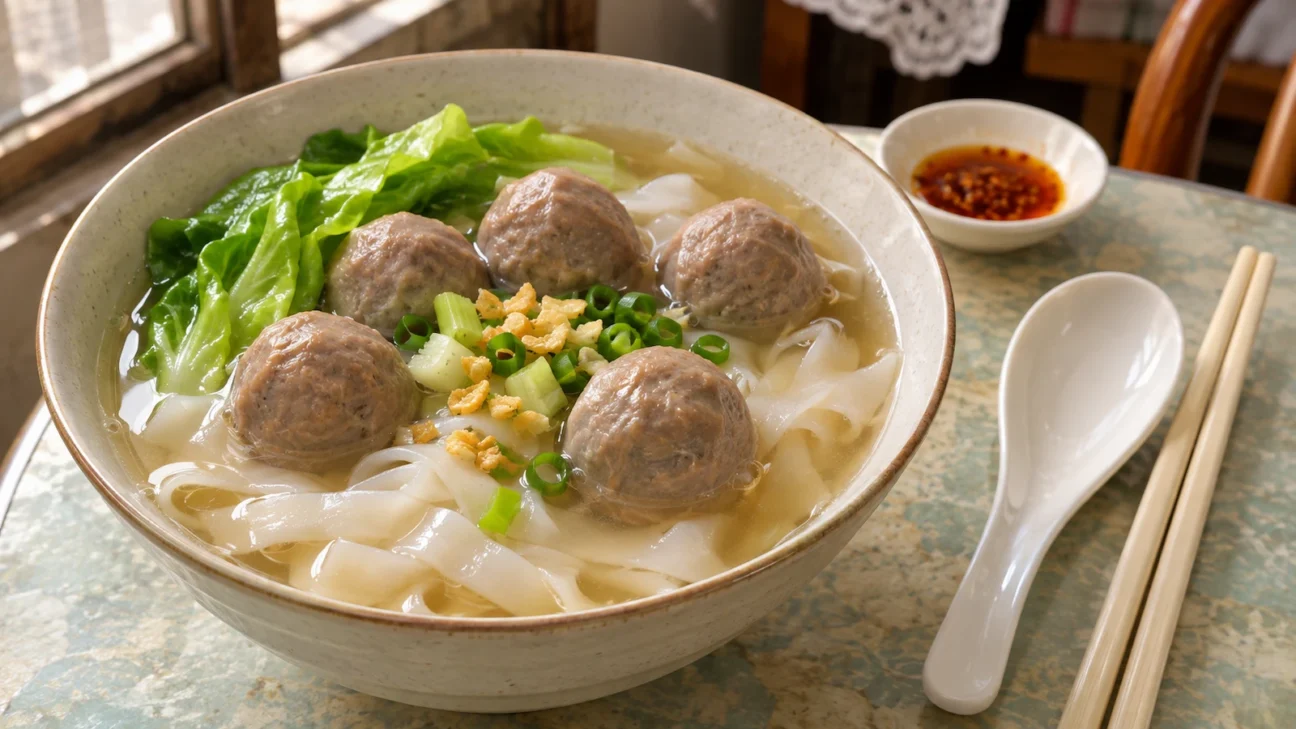
For Hong Kong-style beef ball ho fun, prepare the flat rice noodles, beef balls and broth separately, then bring them together in the bowl. Blanching the noodles separately keeps them silky and stops their starch from clouding the broth.
Table of Contents
For beef ball ho fun like the kind served in a Hong Kong noodle shop, focus onpreparing the noodles, beef balls and broth separately. This home recipe walks you through choosing the noodles, cooking the beef balls, preparing the broth and assembling the bowl.
Cook the Three Components Separately for Better Beef Ball Ho Fun
Prepare the broth, cook the beef balls through separately, then cook the noodles according to their pack. Combine all three just before serving.
This gives you control over each part of the dish.
- Flat rice noodles.Keep them out of boiling broth until serving so they do not soften too much, break or stick together.
- Beef Balls.Heat the beef balls through according to their pack, without having to match the shorter cooking time of the noodles.
- Broth.Season it separately and keep the starch from the noodle cooking water out of the broth.
Combining everything at the end also lets each person choose how many noodles and beef balls they want and how strong they like their broth.
What Makes Hong Kong-Style Beef Ball Ho Fun Special?
Flat rice noodles, beef balls and broth are the three main parts of the dish. Each affects the texture of the finished bowl.
Flat Rice Noodles Should Be Silky and Intact
Ho fun is a wide, soft and silky flat rice noodle. For noodle soup, avoid cooking it for too long in boiling broth.
Fresh and dried flat rice noodles vary in thickness and preparation. Follow the instructions on the pack.
Beef Balls Should Have Bite and Be Heated Through
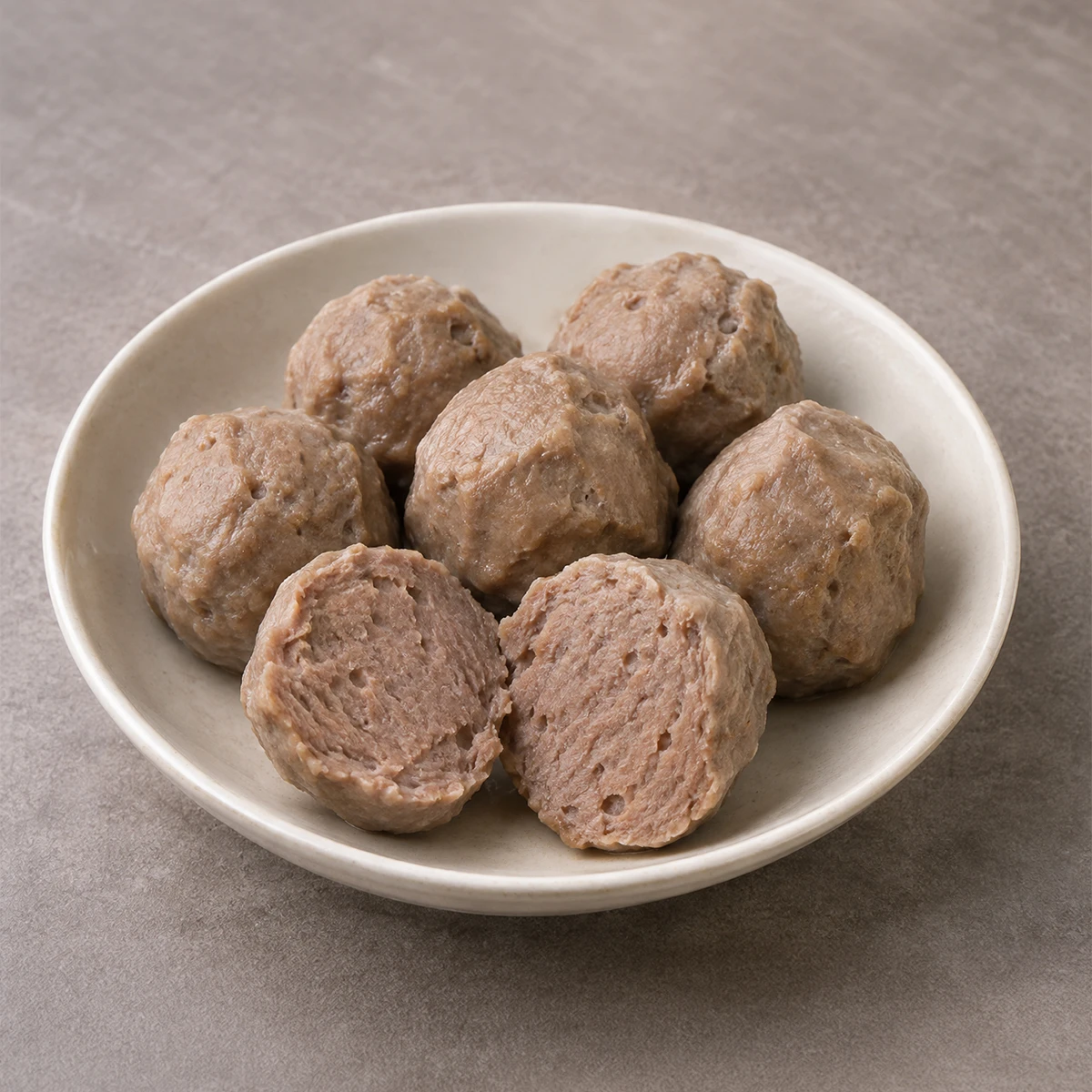
Many people like beef balls with a springy bite. Texture and cooking directions vary by brand, type and size.
Choose beef balls to suit your taste and check whether they need cooking, reheating or thawing. Their appearance alone cannot tell you whether they are cooked through.
A Clear, Light Broth Complements the Beef Balls
Use water with a little sliced ginger for a simple broth, or start with chicken, beef or another suitable stock.
For a Chaozhou-style noodle bowl, try celery, fried garlic, ground white pepper or a little fish sauce. Broths vary across Hong Kong noodle shops, so season to suit your taste.
Cooking the Components Separately or in One Pot
Both methods work. The main differences are in broth clarity, noodle texture and how much equipment and preparation you need.
| What to Compare | Cook Separately | One-Pot Method |
|---|---|---|
| Noodle Texture | Easier to control how soft the noodles get | Can become too soft if left boiling |
| Broth Clarity | Easier to keep the broth clear | Starch released from the noodles can cloud the broth |
| Beef Ball Preparation | Cook separately according to the pack | Time the addition of the beef balls and noodles |
| Cooking method | Needs separate batches or more than one pot | Uses fewer pots |
| When to Use It | For more control over noodle texture and broth clarity | For a simpler everyday cooking routine |
Cook separately for silky noodles and clearer broth. For the one-pot method, make sure the beef balls cook through and add the noodles according to the time on their pack.
Hong Kong-Style Beef Ball Ho Fun Ingredients and Seasoning for Two
Suggested servings:Serves 2 as a main meal.
Prep time:About 10 minutes to prepare the ingredients and seasoning, excluding any time spent thawing beef balls or preparing dried noodles.
Cooking time:Cooking time depends on the type and size of the beef balls and noodles and their pack instructions. Follow the pack and make sure the food is fully heated.
Ingredients
- About 300–400 g flat rice noodles, or adjust to your appetite
- About 8–10 beef balls, depending on size and appetite
- About 900–1,000 ml water or prepared stock
- A few lettuce leaves
- A little celery, finely chopped
- 1 spring onion, chopped
- 2 slices of ginger, optional
Seasonings
- Salt, to taste and depending on the broth
- A little ground white pepper
- A little crispy fried garlic, optional
- A little fish sauce, optional, to taste
- Chilli oil, to taste
A note on buying ingredients.These are suggested quantities for cooking at home. Check the packs of the beef balls, stock and seasonings for ingredients, allergens, storage and cooking directions.
How to Prepare the Noodles, Beef Balls and Broth
-
Step 1. Prepare the noodles and vegetables.
Wash the lettuce, celery and spring onion. Gently separate fresh flat rice noodles where possible. For dried noodles, soak or prepare them according to their pack.
-
Step 2. Prepare the broth separately.
Pour water or stock into a pot. Add ginger if you like and bring to a boil. If the stock is already seasoned, taste before adding salt or other seasonings.
-
Step 3. Cook the beef balls separately.
Use a small pot of water or ladle some of the stock into it. Cook the beef balls according to the pack and make sure they are heated through. Floating or a change of colour alone cannot confirm they are cooked.
-
Step 4. Cook the flat rice noodles separately.
Bring another pot of water to a boil, then cook or reheat the noodles as directed. Precooked fresh noodles often only need a brief blanch to heat through and separate. Cook any uncooked noodles through according to the pack. Drain gently without stirring hard so they stay intact.
-
Step 5. Cook the vegetables.
Blanch the lettuce in separate boiling water, then drain and set aside. Use choy sum or another vegetable that works in noodle soup if you prefer.
-
Step 6. Finish seasoning the broth.
Taste the broth and add a little salt, fish sauce or ground white pepper if needed. Season a little at a time so the beef ball flavour still comes through.
-
Step 7. Assemble the bowls with hot broth.
Put the noodles in large bowls, top with the fully cooked beef balls and vegetables, then pour over hot broth. Finish with chopped spring onion and celery, plus fried garlic or white pepper if you like.
Focus on how each ingredient is cooked.Cook the noodles and beef balls as directed, then add the broth just before serving.
Three Tips for Better Beef Ball Ho Fun
Tip 1. Prepare the Type of Flat Rice Noodles You Have
Some fresh flat rice noodles are already cooked and need thorough reheating. Dried noodles generally need soaking and cooking according to their pack.
For silky noodles that stay intact, follow the preparation instructions and avoid leaving them in boiling broth once cooked.
Tip 2. Check the Centre of the Beef Balls
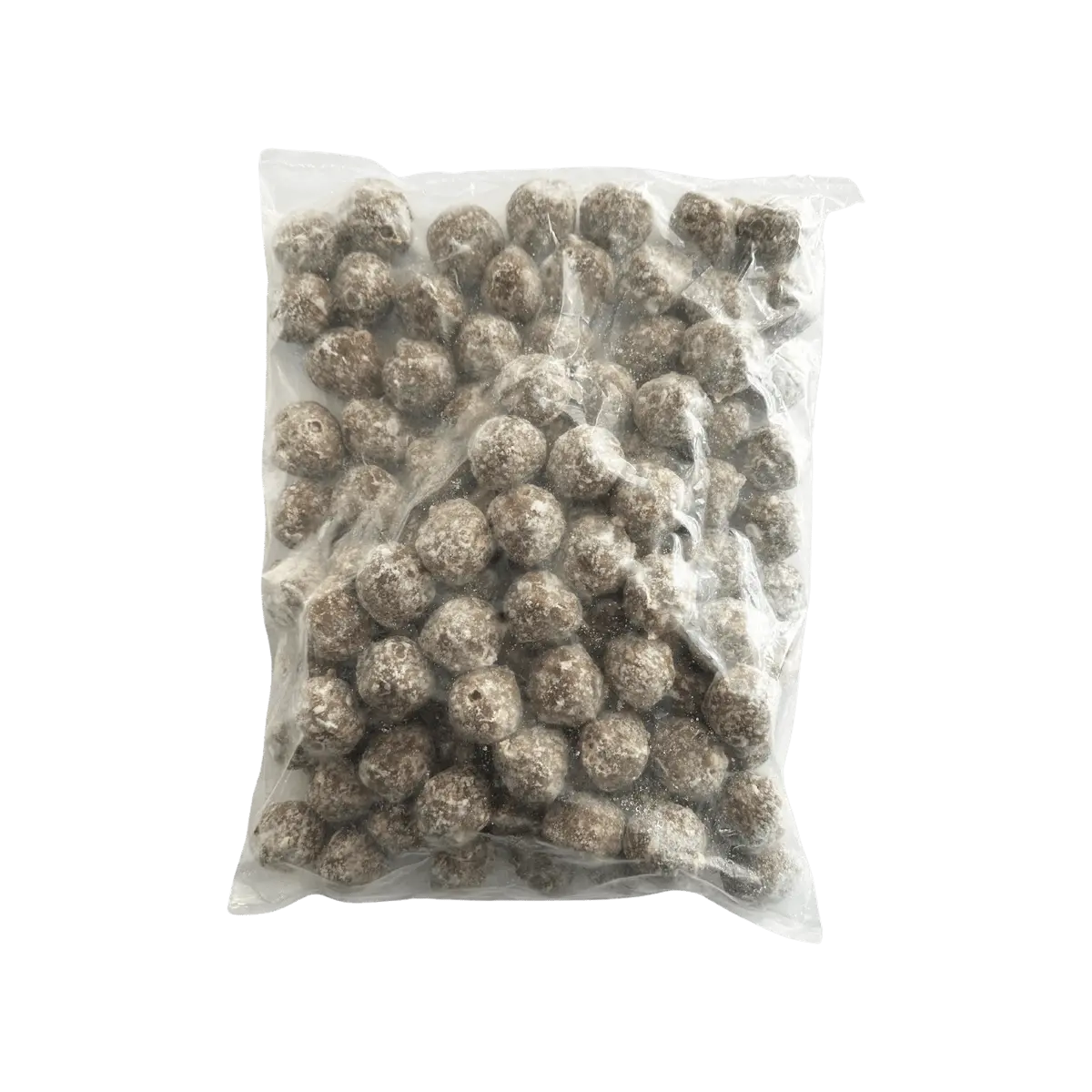
Size, starting temperature and the product's instructions affect cooking. Check whether frozen beef balls can be cooked straight from the freezer or need thawing first.
Floating, swelling or a change in appearance alone cannot confirm beef balls are cooked through. Follow the pack and use a food thermometer to check the centre if needed.
Tip 3. Taste the Broth Before Adding the Noodles
Start with a light broth and adjust to taste. If using prepared stock, taste it before adding salt or other seasoning.
When the broth is ready, put the noodles in the bowl and pour the hot broth over them so they do not sit and soften before serving.
Common Problems and How to Fix Them
1. The flat rice noodles break when lifted
Possible cause:The noodles may be overcooked, particularly delicate to start with or stirred too hard.
How to fix it:Follow the pack, move the noodles gently with chopsticks or a noodle strainer, then drain and assemble the bowls promptly.
2. The broth becomes cloudy
Possible cause:Starch from the flat rice noodles can cloud the broth if they boil in it for too long.
How to fix it:Prepare noodles and broth separately and combine them at the end. Avoid stirring stock too vigorously.
3. The beef balls are hot outside but still cold inside
Possible cause:The beef balls may be large, cooked from frozen without following their instructions or simply undercooked.
How to fix it:Follow the pack instructions to cook them through. Surface temperature and appearance alone are insufficient.
4. The broth tastes salty and flat
Possible cause:Salt may be the only seasoning, with little flavour in the broth itself.
How to fix it:Try a suitable stock, then add a little ginger, ground white pepper or celery. Taste before adding more salt.
5. The noodles soften quickly after serving
Possible cause:The noodles may already be quite soft, then sit in hot broth for too long before reaching the table.
How to fix it:Get the beef balls, vegetables and broth ready first. Prepare the noodles last, assemble and serve promptly.
Ingredient Substitutions for Beef Ball Ho Fun
Adjust the recipe to the ingredients you have at home.
Without fresh flat rice noodles.Use dried flat rice noodles suitable for soup. Soak and cook them according to the pack. The texture may differ from fresh noodles.
Without the suggested stock.Use water with sliced ginger or another suitable seasoning for a lighter broth.
Without celery.Use chopped spring onion for aroma, or leave it out.
For a different topping.Use other fish balls, meatballs or meat that work in noodle soup. The flavour and dish will change. Cook the substitute through according to its pack.
Serving Ideas for Beef Ball Ho Fun
Choose garnishes that suit the style of Hong Kong noodle soup you enjoy.
Beef Ball Ho Fun with Clear Broth
Pair a light broth with flat rice noodles, beef balls and greens. Finish with a little celery or spring onion. Light seasoning lets the individual ingredients come through.
Beef Ball Ho Fun with Fried Garlic
Finish with a little crispy fried garlic and ground white pepper. Add the garlic gradually so it does not overpower the broth.
Spicy Beef Ball Ho Fun
Serve chilli oil on the side so each person can add as much as they like while keeping the flavour of the original broth.
Food Safety When Making Beef Ball Ho Fun
Store the ingredients safely and cook them through whichever method you choose. Storage, cooking and use-by instructions can vary between beef balls and noodle products.
Hong Kong's Centre for Food Safety advises cooking or reheating food to a core temperature of at least 75°C for at least 30 seconds. Follow the relevant pack instructions as well.
Take particular care with storing fresh flat rice noodles and other moist rice noodles. The Centre for Food Safety recommends eating unpackaged moist rice noodles on the day of purchase or refrigerating them. Avoid leaving them at room temperature for extended periods. Reheating alone cannot make food safe once it has become unsafe to eat.
Check the packs of the beef balls, stock and seasonings if you have questions about ingredients or allergens.
Food Safety ReferencesHong Kong Centre for Food Safety Guidance on Cooking and Reheating、Hong Kong Centre for Food Safety Guidance on Bongkrekic Acid and Moist Rice Noodles。
Beef Ball Ho Fun FAQs
1. Should you use fresh or dried flat rice noodles?
Either works. Fresh flat rice noodles are soft and silky. Prepare dried noodles according to their pack. The texture depends on the thickness, type and cooking method, so choose what you enjoy.
2. Can you cook beef balls and flat rice noodles together?
Yes, if you time each ingredient according to its cooking directions and make sure the beef balls are cooked through. Preparing them separately makes it easier to get the noodle texture right.
3. Can you make the broth with water?
Yes. Add a little ginger and ground white pepper for a simple, light broth. Use a suitable stock if you want more flavour, and taste before adding salt.
4. Do frozen beef balls need to thaw before cooking?
Check the pack. Some can be cooked from frozen and others need thawing. If they need thawing, use a safe method and avoid leaving them at room temperature for long.
5. Why do the flat rice noodles stick together?
The noodle type, heating method and stirring can all affect the outcome. Follow the pack instructions, loosen the noodles gently and avoid boiling for too long. Serve promptly once cooked.
6. Can you save cooked beef ball ho fun and reheat it for another meal?
Avoid leaving it at room temperature for extended periods. If you cannot eat it immediately, cool and refrigerate it promptly according to food safety guidance. Reheat it thoroughly the next time and avoid repeated refrigeration and reheating. Discard food if you are unsure how it was stored or suspect it has spoiled.
The Cooking Order That Makes Hong Kong-Style Beef Ball Ho Fun
Flat rice noodles, beef balls and broth each need different preparation. To avoid soft noodles, cloudy broth or undercooked beef balls,prepare the broth first, cook the beef balls separately, prepare the noodles as directed and combine just before serving.
Add celery, crispy garlic or white pepper to taste, or keep the broth simple. Silky noodles, fully cooked beef balls and hot broth are enough to make a Hong Kong-style bowl at home.
For related ingredients and recipes, seeFresh Beef Balls、Choosing Toppings for a Bowl of Noodle Soup。
Further ReadingHong Kong-Style Cart Noodle Pairings。
Comments are closed.