
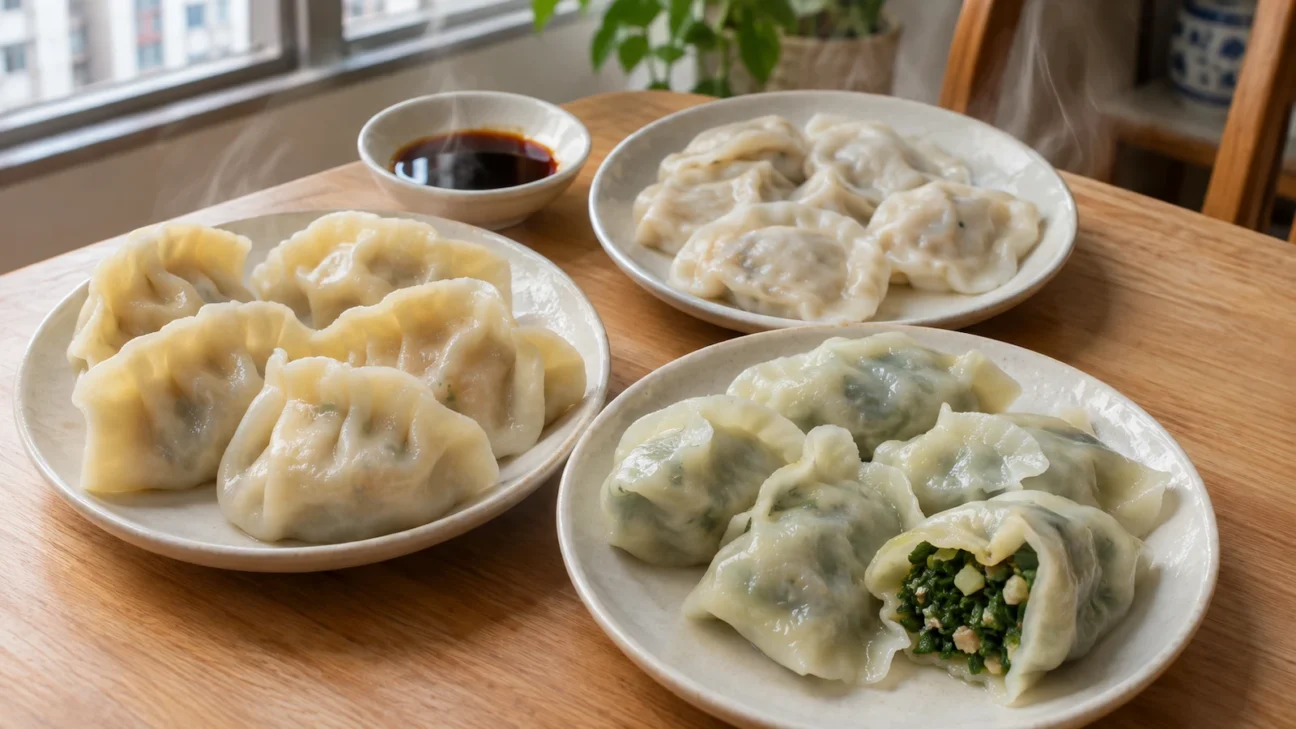
Choose dumplings by texture and how you plan to cook them. Try boiled dumplings for a clear contrast between wrapper and filling, fish-skin dumplings for a springy bite in noodle soup or hot pot, and chive dumplings for a distinct chive aroma.
Try boiled dumplings for a traditional texture, fish-skin dumplings for a springy bite that suits noodle soup or hot pot, or chive dumplings for their aroma. Fillings, ingredients and allergens vary by product, so check the package before buying.
Table of Contents
How to choose dumplings by texture and serving style
Start by asking what texture you want and how you plan to cook them.
- For a traditional dumpling texture:Try boiled dumplings, which let you taste the distinct textures of the wrapper and filling.
- For a springy bite in soup or hot pot:Try fish-skin dumplings. In Hong Kong, they often go into noodle soup, rice vermicelli soup or hot pot.
- For a distinct chive aroma:Choose chive dumplings if you enjoy the flavour of chives.
These names describe broad categories. Wrapper thickness, the amount of filling, size and seasoning vary by brand, so the texture depends on the product.
What are boiled, fish-skin and chive dumplings like?
Boiled dumplings: A balance of wrapper and filling
Boiled dumplings are common in Hong Kong homes, cafés and noodle shops. The wrapper matters as much as the filling. A well-cooked wrapper holds together when you avoid stirring vigorously or boiling the dumplings for too long.
Fillings vary widely. Check the package for the kind of meat, the proportion of vegetables, the seasoning and the allergens.
Fish-skin dumplings: A springier bite
Common in Hong Kong noodle soups and hot pot, fish-skin dumplings are often chosen for their firm, springy bite. They pair easily with clear broth, noodles or hot pot.
Recipes vary by product. Check the package for the fish content, other ingredients and allergens, particularly if you have a fish, crustacean, gluten or other food sensitivity.
Chive dumplings: For people who like the aroma of chives
Chives have a distinctive aroma, so the filling stands out even in a clear broth.
The other ingredients in chive dumplings can vary completely from one recipe to another. Check the label to see what is actually in the filling.
Boiled, fish-skin and chive dumplings compared
| Type | texture | Typical cooking methods | Best Ways to Serve | Who might like it? |
|---|---|---|---|---|
| Boiled dumplings | A more distinct contrast between the wrapper and filling | Boil in water or simmer in broth. | On their own, in soup or with noodles | People who enjoy a traditional dumpling texture |
| Fish Skin Dumplings | Usually firm and springy | Simmer in soup or cook in hot pot. | Noodle soup, rice vermicelli or hot pot | People who like a springy bite |
| Chive Dumplings | Dumpling texture with a pronounced chive aroma | Boil in water or simmer in broth. | On their own, in soup or with noodles | People who like the aroma of chives |
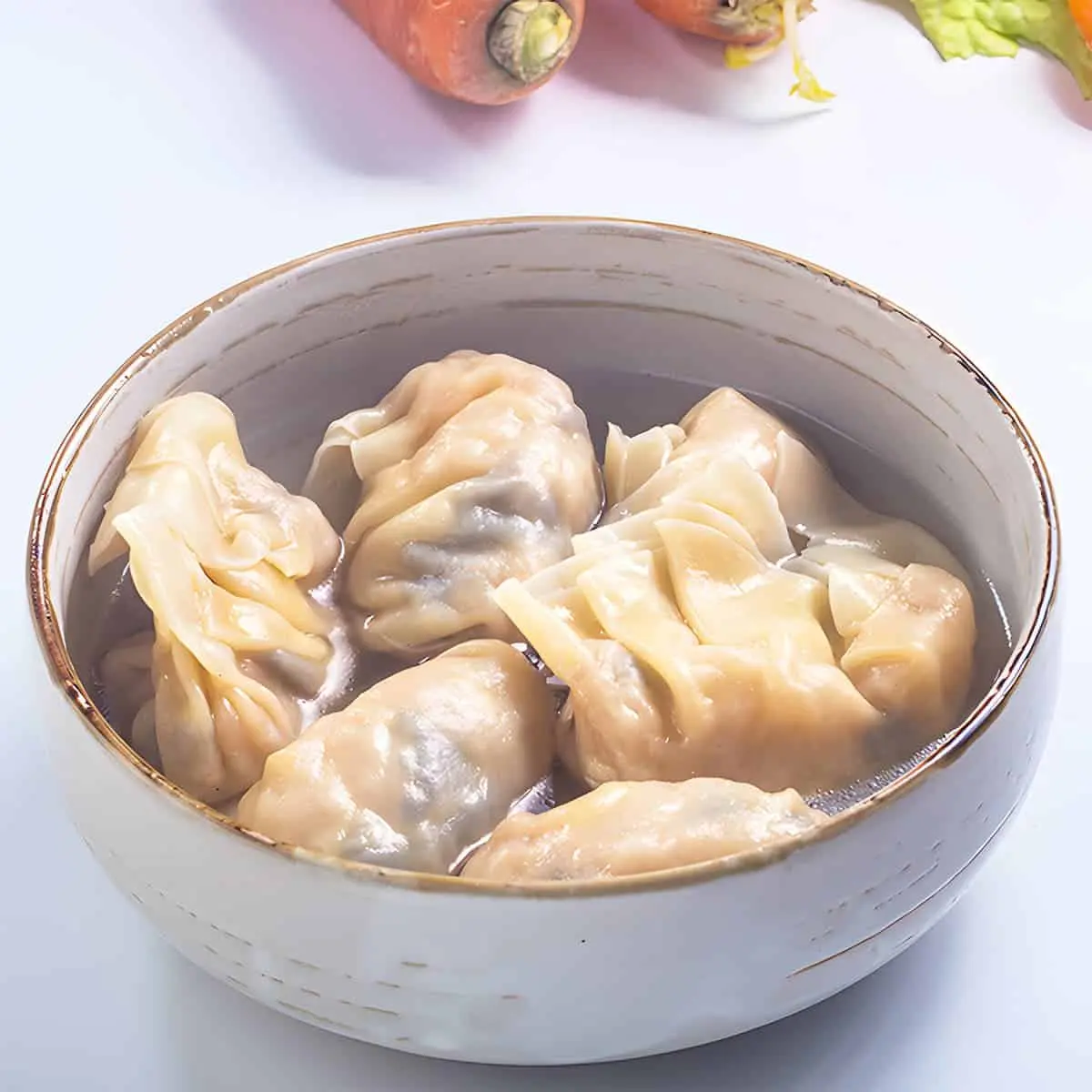
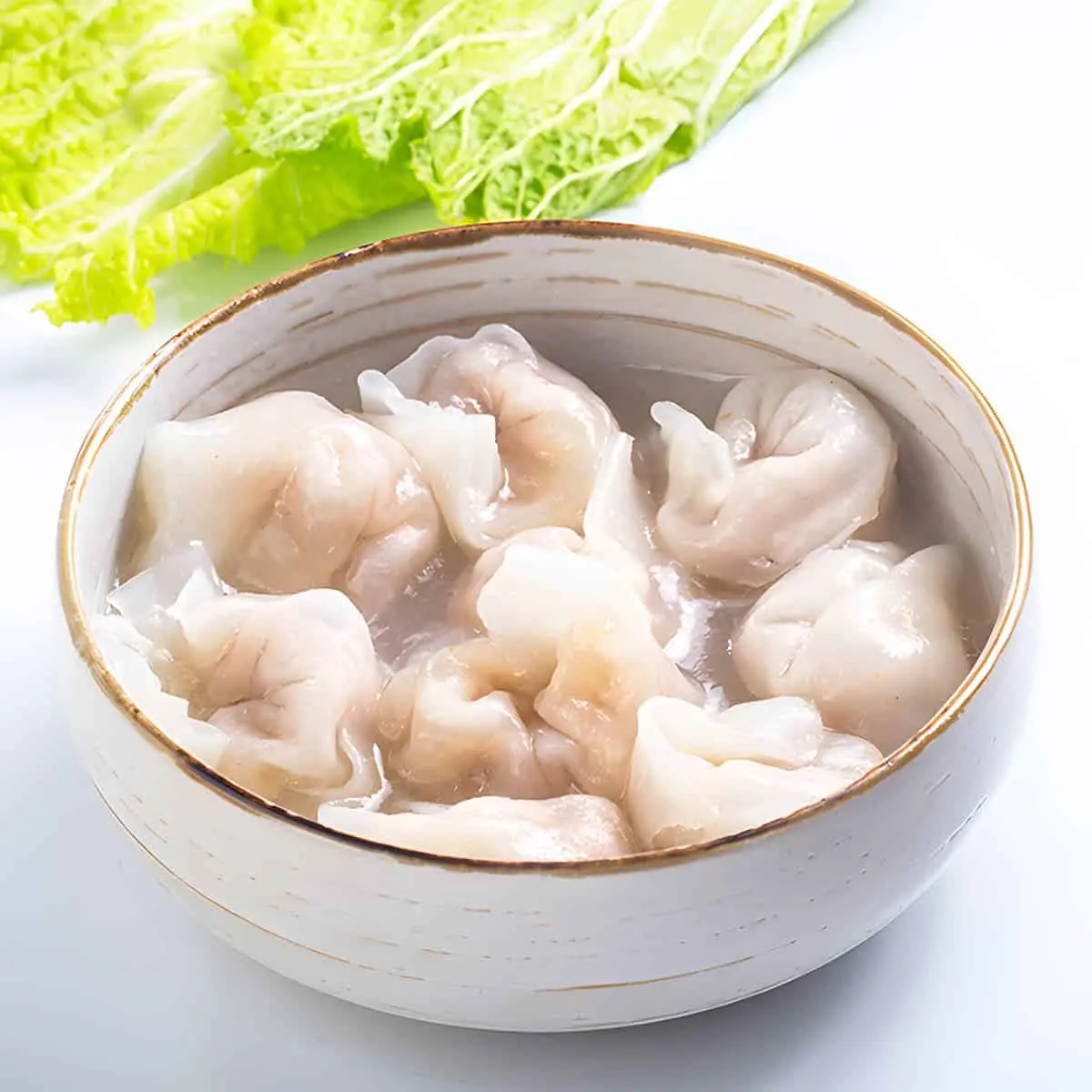
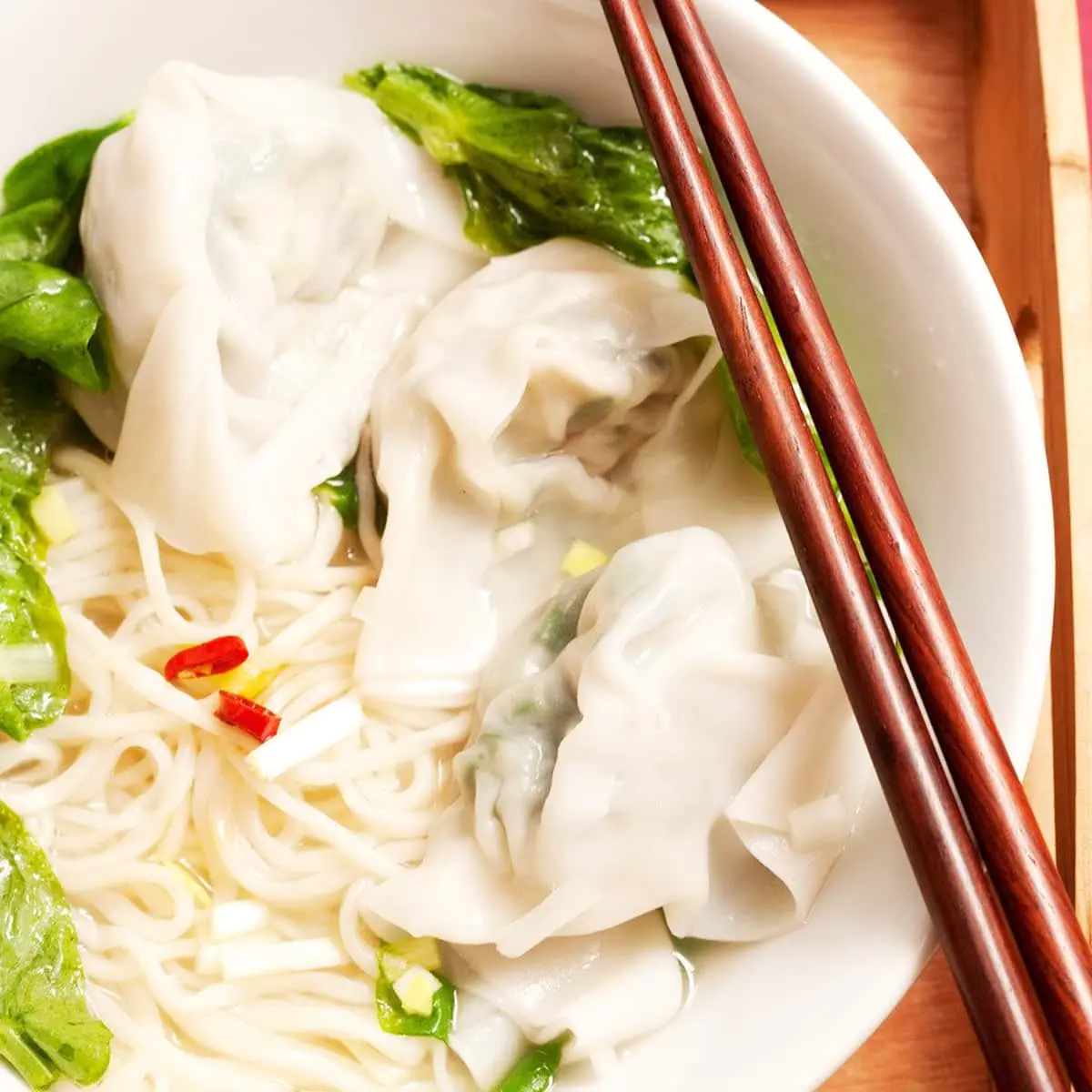
These are general differences in how the dumplings eat. Wrapper thickness, size, filling and seasoning vary. Check the product and package when choosing.
How should you choose and cook dumplings?
Tip 1: Choose dumplings for how you will serve them
All three varieties work in a bowl of dumpling soup or noodle soup. Choose boiled or chive dumplings if you want to focus on the dumplings themselves. Fish-skin dumplings are an easy addition to noodles, rice vermicelli or hot pot.
Mix different kinds in hot pot to get a range of textures.
Tip 2: Bring the water to a boil and add the dumplings in batches
For frozen dumplings, generally bring the water to a boil and add them one at a time. Adding too many together lowers the water temperature and makes them more likely to stick to one another.
Nudge them gently so they do not stick to the bottom. Vigorous stirring can tear wrappers, particularly thin ones.
Tip 3: Follow the cooking time on the package
Brand, size and filling affect how long dumplings need. Use the timing for the type you are cooking.
Follow the package instructions for frozen dumplings and make sure they are cooked through. Floating alone does not confirm that every dumpling is fully cooked.
Common dumpling cooking mistakes
Mistake 1: Adding the whole batch before the water boils
A large batch of frozen dumplings cools the water and can make the pieces stick together. Leave enough room and add them in batches.
Mistake 2: Stirring too vigorously
Nudge the dumplings gently after adding them to keep them from sticking. Vigorous stirring can damage the wrapper.
Mistake 3: Cooking every dumpling for the same time
Fish-skin, boiled and chive dumplings vary in size, wrapper and filling. Follow the directions for each product.
Mistake 4: Taking dumplings out as soon as they float
Dumplings can float during cooking. Check that they are cooked through before taking them out.
Mistake 5: Ignoring ingredient and allergen labels
Brands can use different recipes for products with the same name. Check the label first if you have a food allergy or particular dietary needs.
How to serve and pair boiled, fish-skin and chive dumplings
Boiled dumplings with clear broth:A simple broth lets the dumpling flavour stand out. Add a little chopped spring onion or vegetables for a quick dumpling soup.
Fish-skin dumplings with noodle soup or rice vermicelli:Fish-skin dumplings add a springy bite to noodle dishes. Add greens and noodles or rice vermicelli for a simple soup at home.
Chive dumplings with light broth:The aroma of chives comes through in a light broth that lets the dumpling filling stand out.
All three dumplings in hot pot:For a family with different preferences, serve boiled, fish-skin and chive dumplings together to compare their flavours and textures.
Use soy sauce, chilli oil or vinegar as a simple dip and adjust to taste.
Frequently Asked Questions
How do boiled and fish-skin dumplings differ?
Texture is the clearest difference. Boiled dumplings usually have a contrast between wrapper and filling. Fish-skin dumplings are known for a firmer, springier bite. Check the package because ingredients and recipes vary.
Are fish-skin dumplings suitable for hot pot?
Yes. They are a common Hong Kong hot pot ingredient and also go well with noodle soup or rice vermicelli. Follow the package because cooking times vary.
What broth goes with chive dumplings?
Start with a light, clear broth to let the chive aroma come through. Add vegetables or other ingredients to taste.
Should frozen dumplings be thawed before cooking?
Follow the directions on the pack. If it says you can cook them straight from frozen, follow that method. See theCentre for Food Safety guidance on thawing frozen foods。
Are dumplings done when they float?
Floating alone does not show that the dumplings are fully cooked. Size, wrapper thickness and filling affect the time. Follow the pack and make sure the filling is cooked through.
What should I look for when buying boiled, fish-skin or chive dumplings?
Check the size, cooking method, ingredients and allergen information, as well as the flavour. If you have dietary requirements, check the actual ingredients on the pack.
Summary
Choose based on the texture and how you plan to serve them. Boiled dumplings give a traditional bite, fish-skin dumplings add springiness to noodle soup or hot pot, and chive dumplings bring a distinct chive aroma.
Serve two or three types if your family likes different textures. Ingredients, fillings, allergens and cooking requirements vary by product, so read the package before buying and cooking.
To choose ingredients for your dish, browse Sun Wing Hing’sPrawn Dumplings、Fish Skin Dumplingsand seeChive Dumplingsproduct information.
Further ReadingSteamed or pan-fried chive dumplings。
Comments are closed.