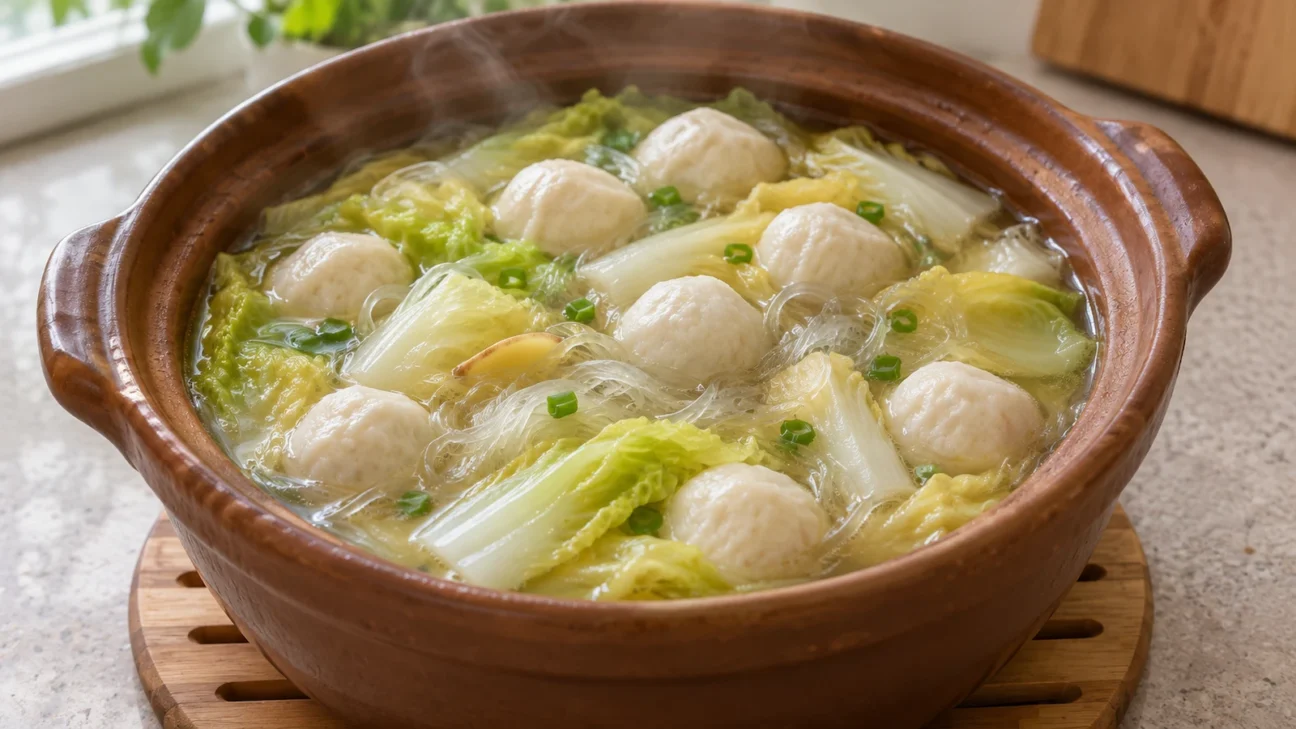
While the glass noodles soften, cook the thicker napa cabbage stems and fish balls. Add the leaves next and the noodles last. Leave a little broth for the noodles to absorb so the pot does not dry out.
Table of Contents
This recipe for two aims to takeabout 15 minutes from preparation to serving. Storage, thawing and heating instructions vary between brands and types of fish balls, sofollow the pack instructions for preparation and cooking, and make sure the food is heated through.Check the pack for ingredients and allergens.
Can You Make This Pot in 15 Minutes?
Yes. For a quicker meal,prepare some ingredients while others cook. Prepare the napa cabbage while the glass noodles soak. When the broth comes to a boil, add the fish balls and thicker cabbage stems, then the leaves, and finally the noodles. This saves time and helps control the texture of the cabbage and noodles.
Allow roughly the following times.
- Suggested servings:Serves 2
- Prep time:About 5 minutes
- Cooking time:About 10 minutes
- Total time.About 15 minutes
If the fish balls need thawing, precooking or another preparation step, allow extra time and follow the pack instructions.
What Makes This Fish Ball and Glass Noodle Pot Work?
The fish balls, vegetables and noodles cook in one pot, making it easy to serve on a weeknight. The napa cabbage releases water and natural sweetness as it softens, while the glass noodles soak up the broth. A little seasoning goes a long way.
Add more napa cabbage for extra vegetables or more glass noodles for a heartier meal. If you do not have napa cabbage, try another soup-friendly leafy vegetable from the suggestions below.
Check the fish ball pack for fish species, fish content, ingredients, nutrition, additives and allergens, as these vary by product.
Different Ways to Cook Glass Noodles
The glass noodles are the part most likely to go wrong. Cook them too long and they soften. Add them too early and they can soak up all the broth. Choose a method based on your timing and preferred texture.
| Method | Texture | Preparation | When to Use It |
|---|---|---|---|
| Soak Before Adding | Easy to time and gives an even texture | Soak while the other ingredients cook. | A quick weeknight dinner |
| Add the Glass Noodles Dry | Absorbs more broth | Allow more broth and watch the heat. | For noodles that take on more of the broth's flavour |
| Add at the End and Cook Briefly | Less likely to soften too much | Add once the other ingredients are nearly done. | For glass noodles with a lighter bite |
If this is your first try,soak the noodles first and add them at the end. That makes the texture and amount of broth easier to control.
Fish Ball and Glass Noodle Pot Recipe
Ingredients
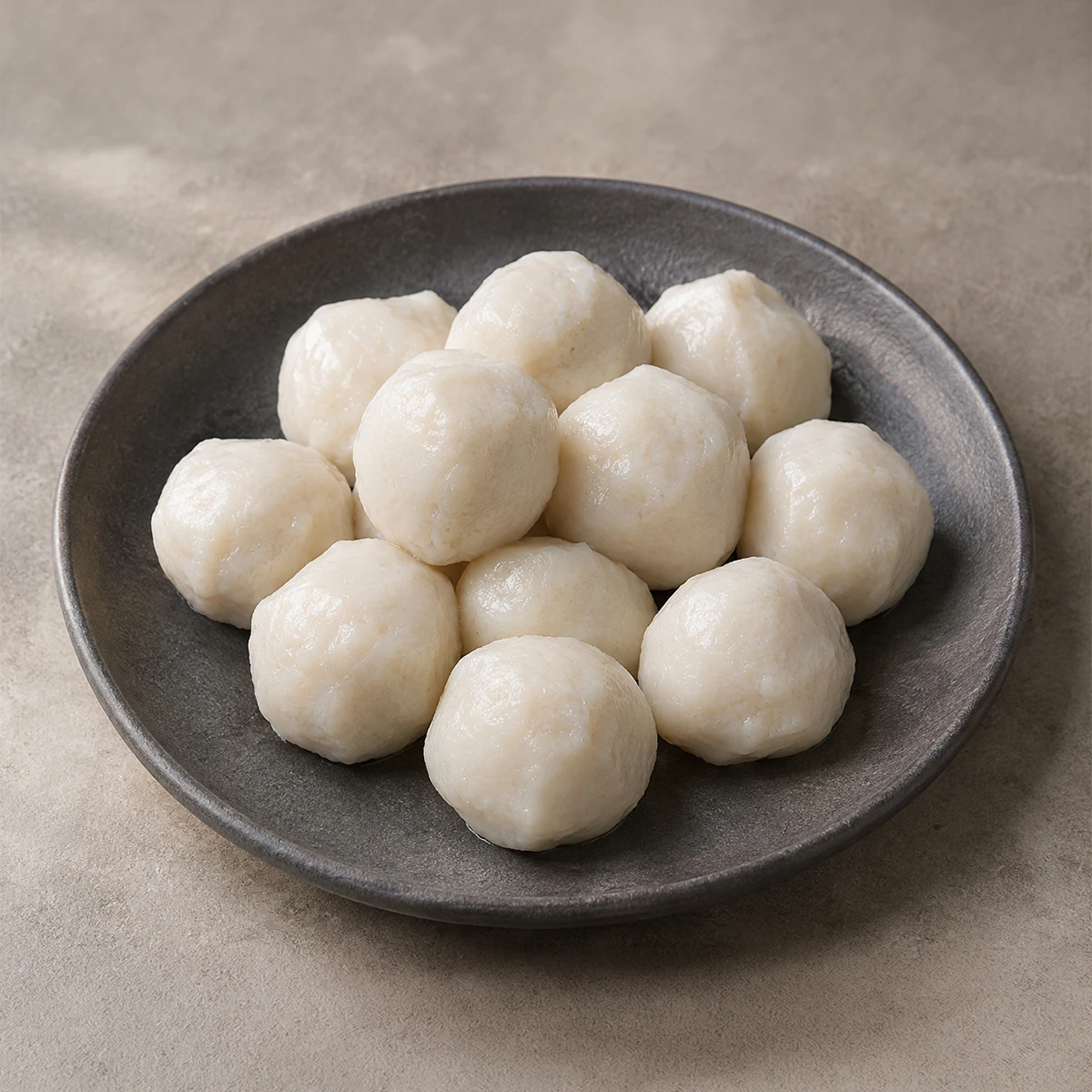
- 8–10 Chaozhou-style fish balls
- About 250 g napa cabbage
- 1 small bundle of glass noodles
- 2 slices of ginger
- 1 clove of garlic
- 1 spring onion, optional
- About 500–600 ml water or stock
For packaged fish balls, check whether they need thawing, rinsing or other preparation.
Seasonings
- 1–2 teaspoons light soy sauce
- A little ground white pepper, optional
- A little sesame oil, optional
- Salt to taste, after tasting the broth
Ingredients and allergens vary by brand of prepared stock, light soy sauce and other seasonings. Check the pack labels.
Step-by-Step Instructions
- Prepare the napa cabbage.Wash the cabbage. Separate the stems from the leaves and cut both into bite-sized pieces. The thicker stems go into the pot before the leaves.
- Prepare the glass noodles.Follow the pack. If soaking is recommended, soak them while preparing the other ingredients, then drain once they begin to soften.
- Start the broth.Heat a little oil over medium heat. Briefly fry the ginger and garlic until fragrant, then add the water or stock.
- Add the fish balls and cabbage stems.When the broth is hot, add the fish balls and thicker stems. Follow the fish ball pack for cooking time and heat them through.
- Add the cabbage leaves.Once the stems start to soften, add the leaves and stir gently.
- Add the glass noodles.Add the prepared noodles and let them absorb some of the broth. If the broth is disappearing quickly, add hot water a little at a time.
- Final seasoning:Add the light soy sauce and a little white pepper, then taste before adding salt. Turn off the heat and finish with a little sesame oil and chopped spring onion if you like.
How to Cook a Fish Ball and Glass Noodle Pot
Tip 1. Add the Napa Cabbage Stems Before the Leaves
The leaves soften faster than the thicker stems. Cut them separately, cook the stems first and add the leaves once the stems have started to soften.
Tip 2. Add the Glass Noodles Last
Glass noodles absorb liquid quickly and can keep doing so after the heat is off. Add them at the end and turn off the heat when they reach the texture you like, while a little broth remains.
Tip 3. Adjust the Seasoning at the End
Fish balls, broth and soy sauce vary in saltiness. Cook the ingredients first, then taste and adjust so the pot does not become too salty.
Why a Glass Noodle Pot Goes Dry, Soft or Too Salty
Mistake 1. Adding Glass Noodles Too Soon
Problem:If they sit too long in the broth, they can absorb too much liquid and soften.
How to fix it:Cook the fish balls and cabbage first, then add the glass noodles near the end.
Mistake 2. Leaving Too Little Broth
Problem:What looks like plenty of broth can disappear quickly once the noodles go in and may leave the pot sticking.
How to fix it:Watch the broth after adding the noodles. Add hot water a little at a time if needed. Too much cold water at once will drop the temperature.
Mistake 3. Adding All the Cabbage at Once
Problem:The leaves can soften too much before the thicker stems have the texture you want.
How to fix it:Separate stems and leaves as you cut the cabbage. Add the stems first and wait a little before adding the leaves.
Mistake 4. Adding Too Much Seasoning Before Tasting
Problem:Fish balls, broth and soy sauce come with different levels of seasoning. A fixed amount of extra salt can easily be too much.
How to fix it:Start with a little seasoning, then taste near the end and adjust gradually.
Mistake 5. Expecting All Fish Balls to Cook the Same Way
Problem:Storage and preparation vary by product. Check the cooking time for the fish balls you are using.
How to fix it:Follow the pack directions and make sure the fish balls are heated through before serving.
Substitutes for Napa Cabbage or Glass Noodles
Adjust the recipe to use what you have in the fridge.
- Instead of napa cabbage.Use baby napa cabbage, bok choy or another soup-friendly leafy vegetable. Adjust the cooking time for its thickness.
- Instead of glass noodles.Use rice vermicelli, round rice noodles or another noodle suitable for soup. Follow the pack instructions for the replacement noodles.
- Adjusting the ginger and garlic.Use ginger alone if you prefer no garlic, or use less of both for a milder flavour.
- Instead of water.Use your usual stock. Taste and reduce the added seasoning if the stock is already salty.
Serving and Pairing Suggestions
For a weeknight meal for two, serve the pot on its own with fish balls, noodles and greens. Add a simple side dish if you want more variety.
- With steamed egg custard.Its mild flavour goes well with a simple home-cooked dinner.
- With blanched greens.For more vegetables, serve blanched choy sum, lettuce or other seasonal greens on the side.
- With steamed rice.Use fewer glass noodles and keep more broth if you want to serve the pot as a side dish with rice.
- For a little heat.Offer chilli oil or chilli sauce at the table so each person can season their own bowl.
Frequently Asked Questions
Can This Fish Ball and Glass Noodle Pot Really Be Ready in 15 Minutes?
Allow about 15 minutes if the ingredients are ready and the fish balls do not need lengthy thawing or additional preparation. Follow the individual pack instructions for the fish balls and noodles.
Do Glass Noodles Need To Be Soaked?
Check the type and pack instructions. If soaking is recommended, do it while washing and cutting the cabbage to save time and make the cooked texture easier to control.
Why Is There No Broth Left in the Pot?
Glass noodles keep absorbing liquid, sometimes even after the heat is off. Leave enough broth before adding them and add hot water a little at a time during cooking if needed.
Can You Add Frozen Fish Balls Directly?
It depends on the product. Check the storage, thawing and cooking directions and make sure the fish balls are heated through.
Can You Cook This the Night Before?
Glass noodles keep absorbing broth as they sit and may have a different texture the next day. To prepare ahead, get the other ingredients ready and add the noodles just before serving. Follow reliable food safety guidance for storing and reheating cooked food.
What Ingredients and Allergens Are in Chaozhou-Style Fish Balls?
Formulations vary by brand and product, including the fish species, fish content, other ingredients and allergens.Check the pack for ingredients and allergens.
Summary
This fish ball and glass noodle potmakes a simple one-pot dinner. To finish in about 15 minutes, soak the noodles while preparing the other ingredients. Cook the napa cabbage stems before the leaves, heat the fish balls according to the pack, and add the noodles and final seasoning last.
For busy Hong Kong households, a hot weeknight dinner can be simple. Cook the slowest ingredients first, add the glass noodles last, and adjust the seasoning before serving.
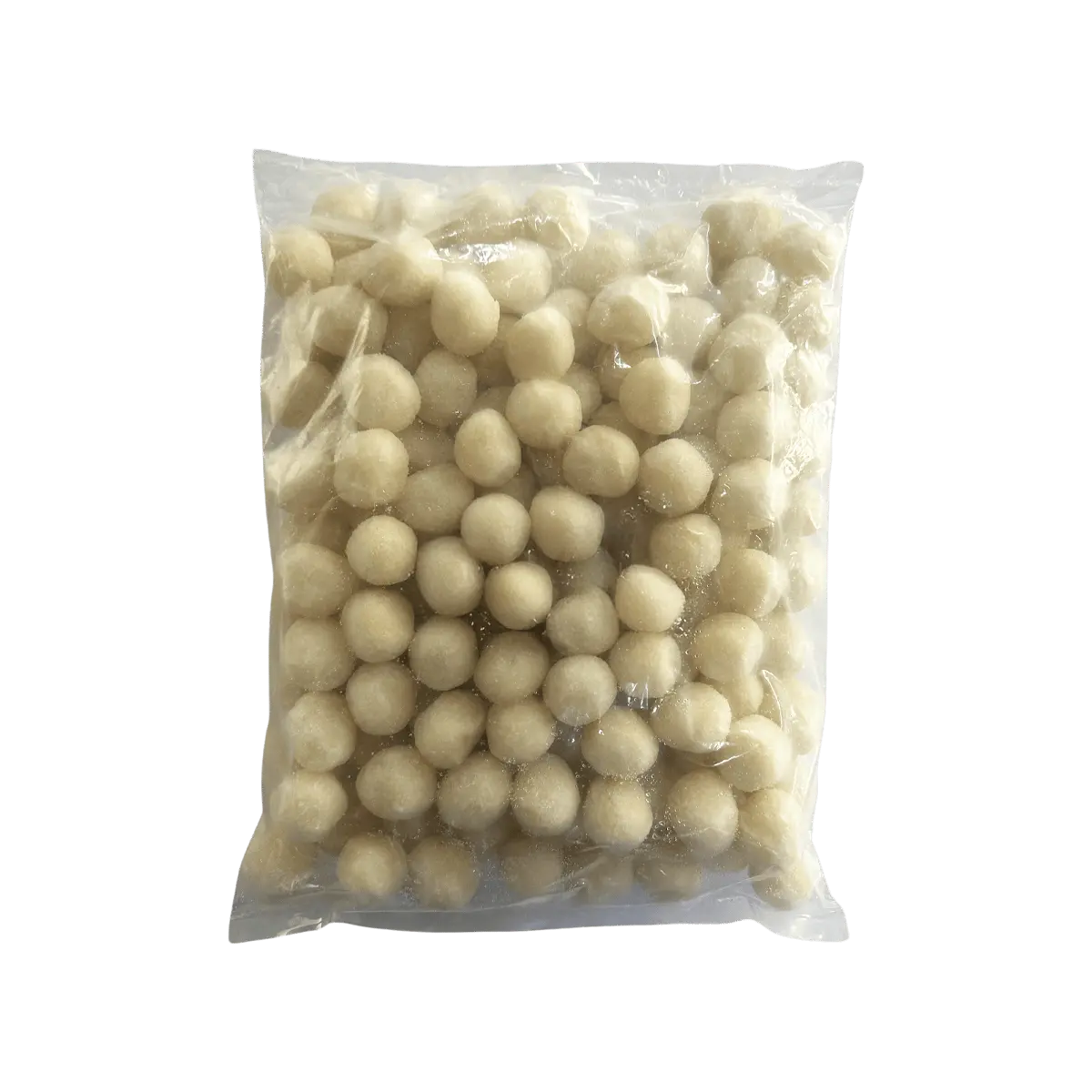
For related ingredients and recipes, seeChiu Chow White Fish Balls。
For general food safety advice on cooking, seeCentre for Food Safety guidance on cooking。
Further ReadingWhite, Fried and Tangerine Peel Fish Balls Compared。