
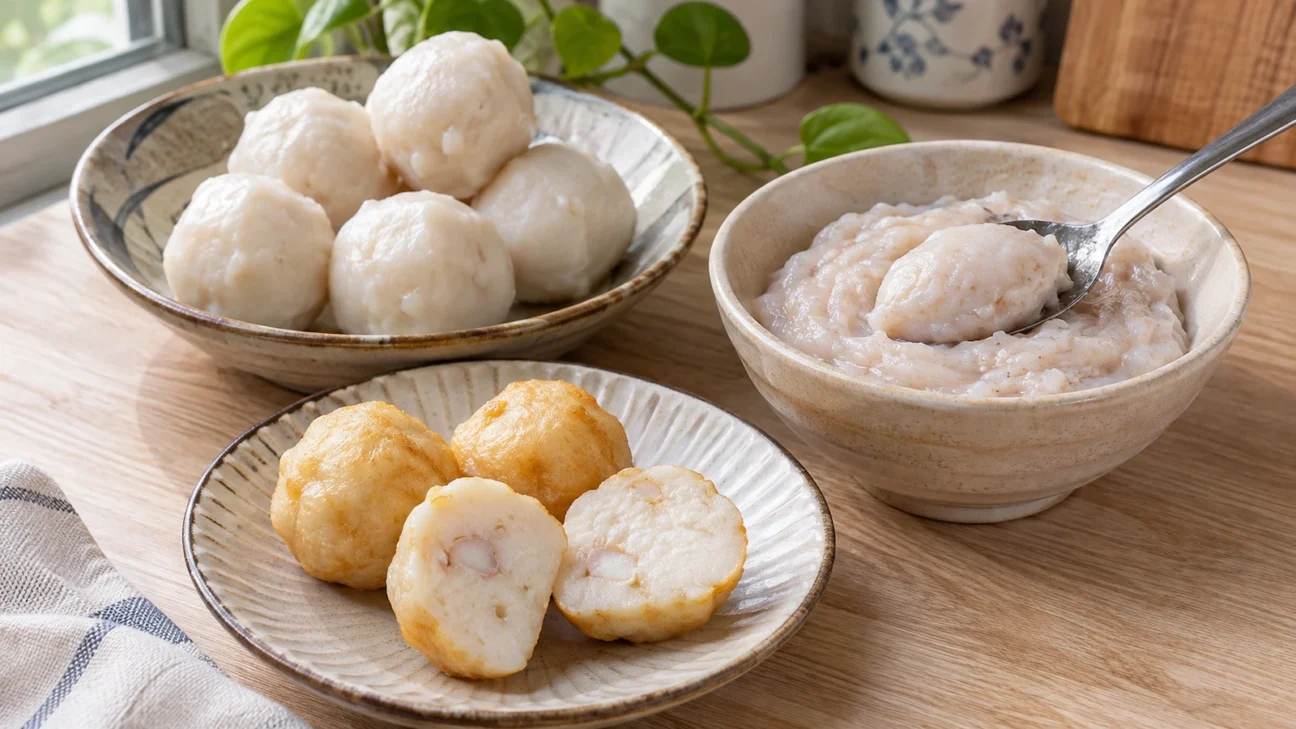
For hot pot, ready-shaped cuttlefish balls or Taiwanese-style squid balls are convenient. Choose cuttlefish paste if you want to shape your own portions, pan-fry it or use it as a stuffing. The springiness and texture of the two kinds of ball vary. Check the ingredient list when choosing.
Look beyond the names when choosing seafood balls or pastes. The Chinese terms “huazhi” and “moyu” can refer to similar or overlapping squid and cuttlefish varieties in different regions. “Taiwanese-style squid balls” and “cuttlefish balls” do not necessarily use different species, recipes or quantities.
It is more useful to compare whether the product is a ball or a paste, the texture you want and whether you plan to cook it in a hot pot, noodle soup, frying pan or air fryer. Check each pack for the ingredients, allergens, storage and cooking instructions.
Table of Contents
How do cuttlefish balls, cuttlefish paste and Taiwanese-style squid balls differ?
Here is the easiest way to choose:Cuttlefish balls and Taiwanese-style squid balls are already shaped. With cuttlefish paste, you choose the size and shape as you cook.
The differences often come down to shape, recipe and how you serve the product. The name does not always distinguish the type of seafood.
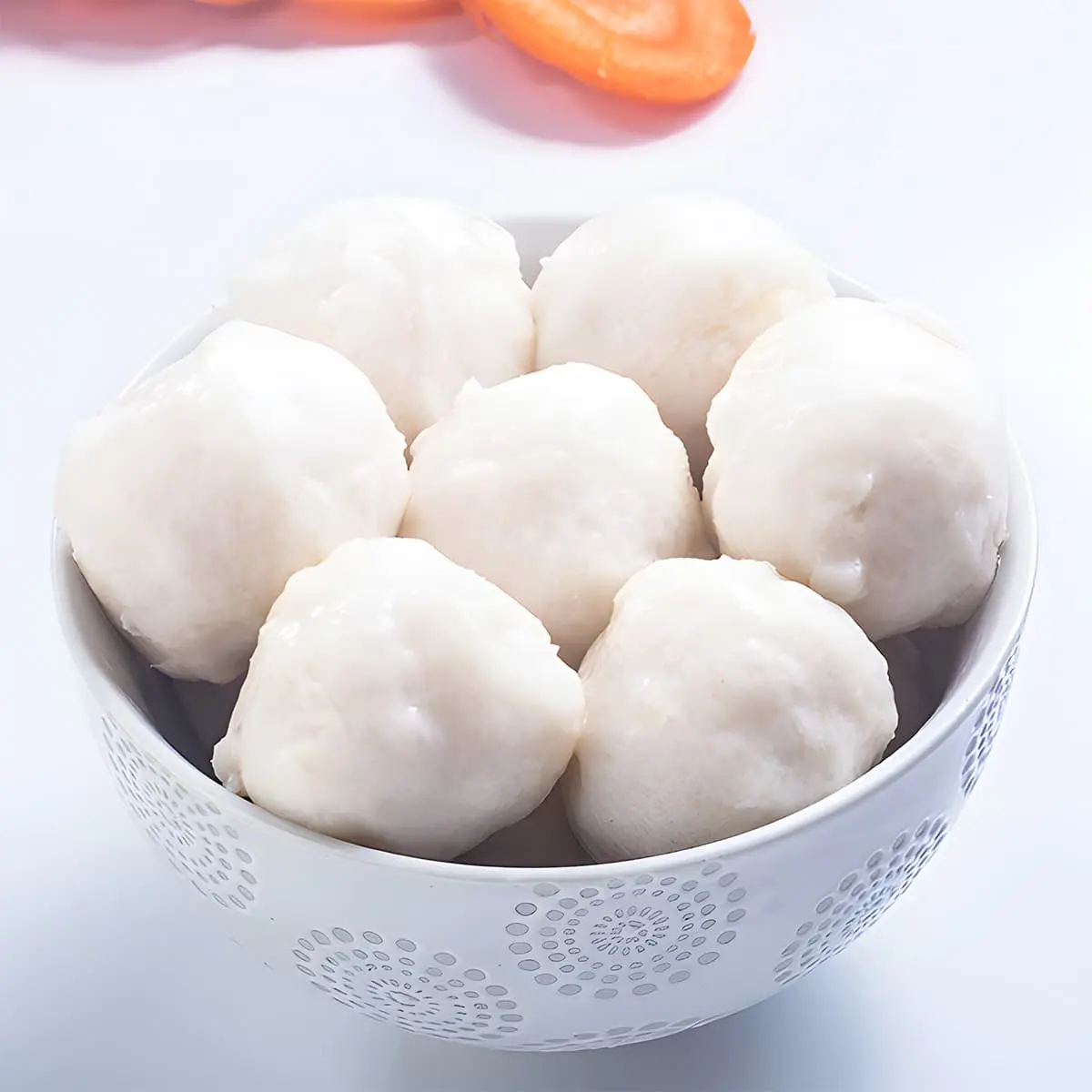
- Cuttlefish balls:These come shaped and can go straight into a hot pot, noodle soup or other dishes according to the directions on the pack.
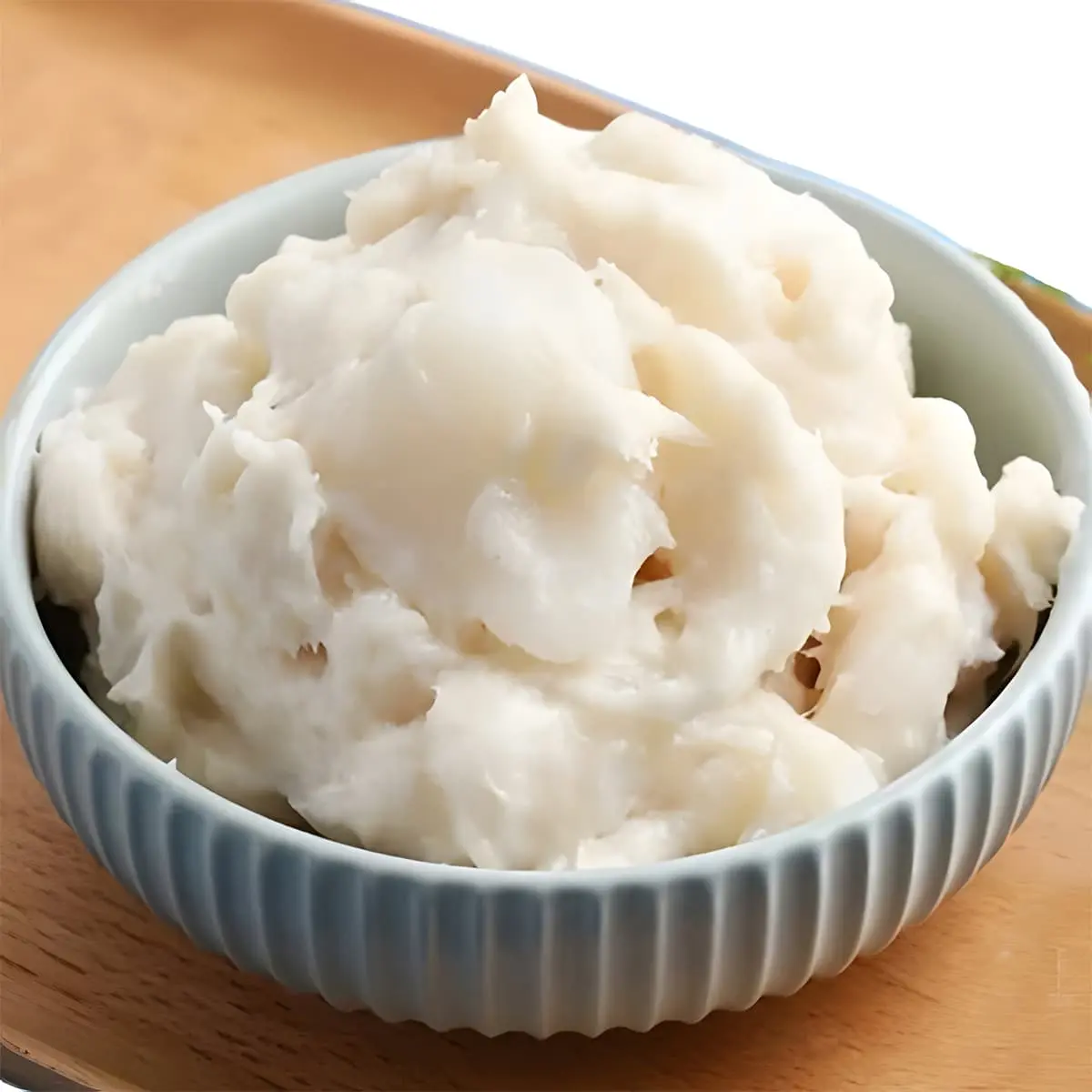
- Cuttlefish paste:This is a soft paste you can scoop into balls, pan-fry or use as a stuffing. You can shape it to suit the dish.
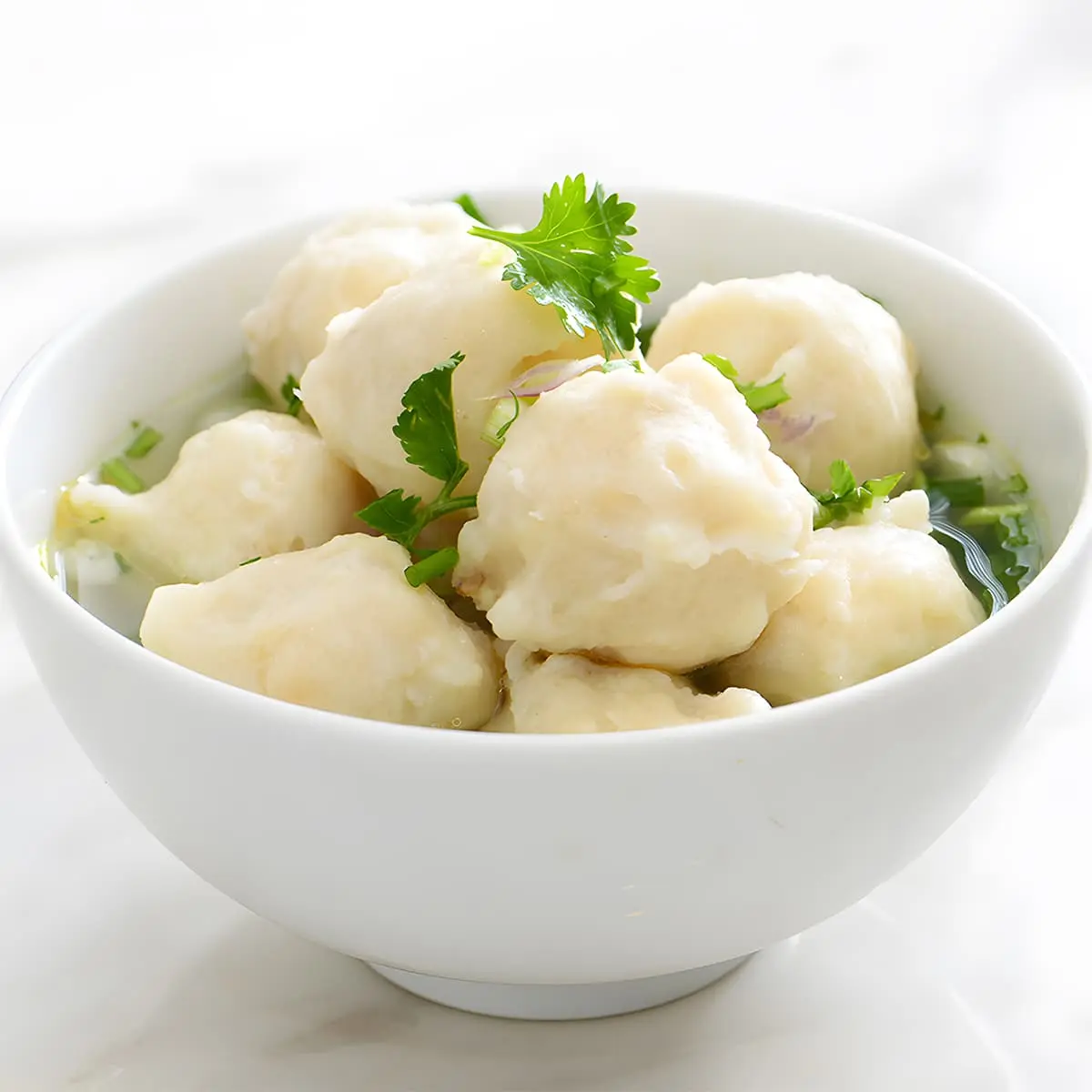
- Taiwanese-style squid balls:These also come as balls. They can be boiled, pan-fried or air-fried and often go into hot pot. The texture and the amount of visible seafood pieces vary greatly by product.
If you are comparing two brands, read the ingredient lists and product descriptions to see what each ball contains.
What is each product like?
Cuttlefish balls: Easy to cook and portion out
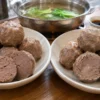
Cuttlefish balls are ready-shaped and easy to portion for hot pot, noodle soup, rice noodles or other dishes.
Some brands are springier, some are softer and some contain distinct pieces of seafood. Check the product to find the texture you want.
Cuttlefish paste: Shape it for hot pot or pan-frying
Cuttlefish paste comes ready to shape. Drop spoonfuls into hot pot broth or flatten it into thin patties so more of each one browns in the pan.
Make bite-sized portions for hot pot or adjust the size for children and other dishes. Keep portions small enough to heat through, especially if the paste needs thorough cooking.
Taiwanese-style squid balls: The name reflects Taiwanese food traditions
Hong Kong shoppers may assume that “huazhi” balls and “moyu” balls are made from completely different seafood. The terms overlap in some Chinese-speaking regions, so check the ingredients to find out what seafood each product contains.
Taiwanese-style squid balls come in different recipes. Some feature larger pieces of squid or cuttlefish, while others use a different seafood paste. The ingredient list gives the most reliable answer.
Comparing texture and cooking methods
| What to Compare | Cuttlefish Balls | Cuttlefish Paste | Taiwanese-Style Cuttlefish Balls |
|---|---|---|---|
| Product form | Ready-shaped balls | A soft paste that you can shape | Ready-shaped balls |
| Typical texture | Often springy and easy to eat. Texture depends on the recipe. | Adjust the size and thickness for the texture you want. | Varies by product, with some featuring distinct seafood pieces. |
| Convenience for hot pot | Easy to add according to the directions on the pack. | Scoop into the broth one portion at a time. | Easy to add according to the directions on the pack. |
| Pan-frying | Pan-fry whole, halved or sliced, as directed on the pack. | Flatten into thin patties for pan-frying. | Pan-fry whole, halved or sliced, as directed on the pack. |
| Air-frying | Check whether the product is suitable for air-frying. | Paste is rarely air-fried as-is. Shape it first and prepare it according to the product instructions. | Often air-fried or pan-fried. Check the applicable time and temperature for the product. |
| Best For | For quick cooking and easy portioning | For choosing your own size, shape and cooking method | For trying different textures and pairings |
Note: This comparison covers common forms and uses. Check each pack for its recipe, whether it is pre-cooked and how to cook it.
Which is best for hot pot, pan-frying or noodles?
Tip 1: Use ready-shaped balls for convenience or paste to choose the size
For a group hot pot, cuttlefish balls and Taiwanese-style squid balls are easy to add straight from the pack according to the instructions. They are evenly sized and easy to share.
Use cuttlefish paste if you enjoy shaping portions at the table or want to adjust the size. Shape it between two spoons or drop small spoonfuls directly into the broth.
Tip 2: Change the shape so more of each piece browns in the pan
If a product is suitable for pan-frying, try cutting the balls in half so the flat side browns directly against the pan.
Flatten cuttlefish paste into thin patties of similar thickness for more even cooking. Follow the package instructions and make sure the centres heat through.
Tip 3: Choose a broth that suits the fish balls in your noodle soup
Cuttlefish balls, cuttlefish paste and Taiwanese-style squid balls all work with noodle soup or rice noodles. The match depends largely on the broth.
Clear, tomato or light seafood broth lets the balls or paste stand out. Satay or spicy mala broth gives the dish a stronger flavour. Pick the flavour you want.
Common mistakes when cooking cuttlefish balls, cuttlefish paste and Taiwanese-style squid balls
- Mistake 1: Assuming the ingredients from the product name
Check the ingredient list for the seafood and its proportions. “Cuttlefish balls” and “Taiwanese-style squid balls” alone offer little detail. - Mistake 2: Assuming balls are fully cooked when they float
Floating shows that the balls have changed as they cook. Follow the instructions on the pack because size, recipe and whether they are pre-cooked affect how long they need. - Mistake 3: Shaping the paste into pieces that are too large
Thick portions take longer to heat through. Shape similar bite-sized portions for hot pot so they are easier to cook evenly. - Mistake 4: Using the same air-fryer settings for all products
Recipe, size and whether the balls are pre-cooked affect air-frying. Use each product’s directions for the correct time and temperature. - Mistake 5: Boiling too long in pursuit of a springy texture
Heat seafood balls or paste thoroughly. A prolonged boil can change the texture, so follow the product instructions and remove the food once it is cooked.
How to cook and serve the three products
Hot pot:All three products can go into a hot pot. Ready-shaped balls are convenient, while paste lets you shape your own portions at the table.
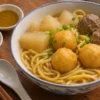
Noodle soup or rice noodles:Cuttlefish balls and Taiwanese-style squid balls are easy to use. Drop small spoonfuls of paste into the soup to make your own balls.
Pan-frying:Shape the paste into patties. If the ready-shaped balls are suitable, cut them in half so more of the surface browns.
Air-frying:Ready-shaped balls are easier to handle. Check the package for air-fryer directions, as these vary by product.
Stuffed dishes:Seafood paste is easier to shape into tofu, aubergine or other ingredients before cooking than ready-shaped balls.
Frequently Asked Questions
Are Taiwanese-style squid balls and cuttlefish balls the same?
The names overlap across regions and recipes vary. Some products may be similar, while others differ substantially by brand. Compare the ingredient lists and product descriptions to find out.
Does cuttlefish paste contain more cuttlefish than cuttlefish balls?
“Paste” and “balls” describe the form. Check the pack for the percentage of cuttlefish, if listed.
Can cuttlefish paste go straight into hot pot?
Portion it into small spoonfuls and simmer in the broth. Follow the pack directions and make sure the centres heat through if the product needs thorough cooking.
Can cuttlefish balls and Taiwanese-style squid balls go in an air fryer?
Some products are suitable. Check the instructions on the pack for time and temperature and adjust for your air-fryer model.
Should I use cuttlefish balls or paste for hot pot?
Choose balls for easy portioning and convenience or paste so you can choose the size and shape.
How can I check the allergens in cuttlefish balls or paste?
Ingredients vary by product, including Taiwanese-style squid balls. Read the ingredient and allergen information on the package before buying if you have a food allergy.
Summary: Choose cuttlefish balls, paste or Taiwanese-style squid balls by how you plan to cook them
Cuttlefish balls and Taiwanese-style squid balls save time in hot pot. Cuttlefish paste gives you more control over size and works well as a stuffing or in pan-fried patties.
The terms “huazhi” and “moyu” overlap across regions, and recipes vary by brand. Compare the ingredient lists, cooking methods and textures to decide which product you prefer.
Choose seafood balls or paste based on whether you are making hot pot, noodle soup, pan-fried dishes or an air-fried snack. That is often more useful than going by the name alone.
For related ingredients and recipes, seeCuttlefish Balls、Cuttlefish Paste、Taiwanese-Style Cuttlefish Balls。
For general food safety advice on cooking, seeCentre for Food Safety guidance on cooking。
Further ReadingHow to shape cuttlefish paste with a spoon。
Comments are closed.