
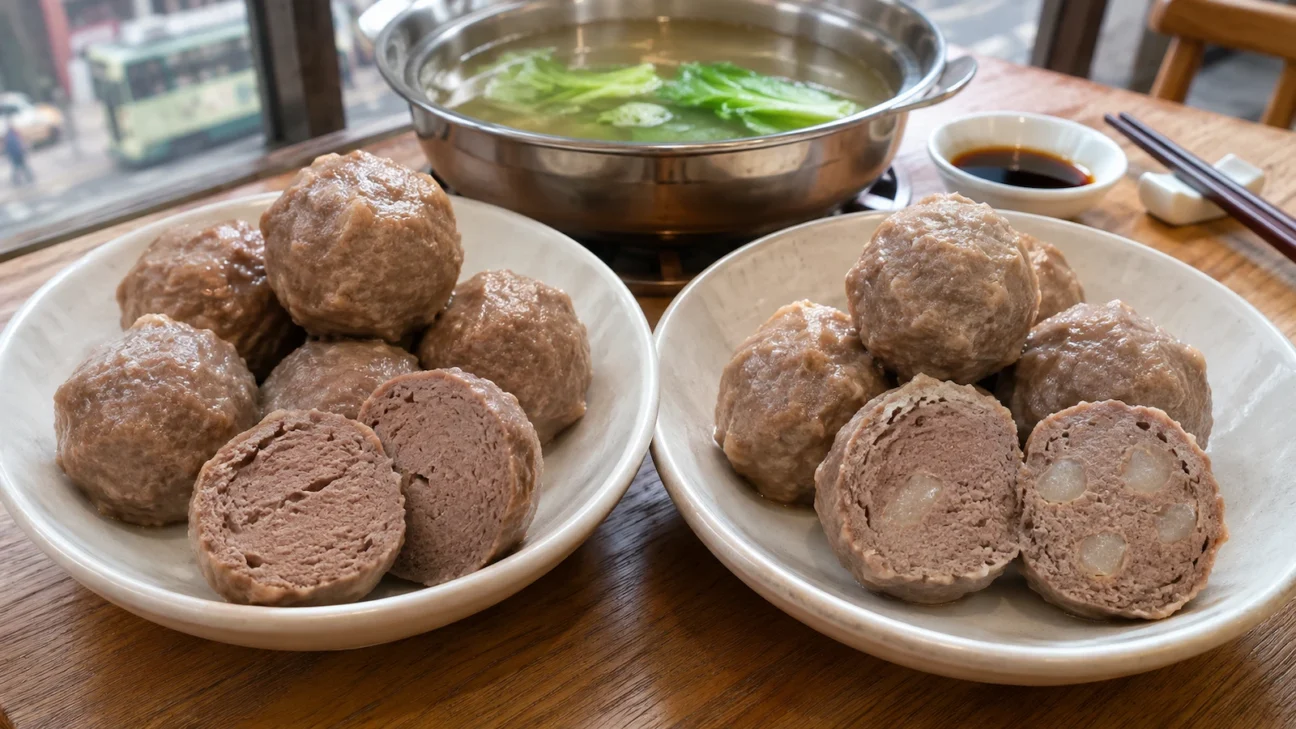
The easiest difference to taste is the texture. Beef balls tend to be evenly springy, while beef tendon balls are usually chewier with a firmer bite. Cook them in the same clear broth to compare, and check the packages for their actual ingredients.
The clearest difference is usually thetexture. Beef balls tend to have an even, springy bite. Products sold as beef tendon balls are often marketed for their chewier texture. Recipes vary greatly and the names alone do not indicate a fixed proportion of meat or beef tendon.
Check the ingredients and allergen information on the package to see what meat and other ingredients the product contains.
Table of Contents
How do beef balls and beef tendon balls differ? Start with texture
For a quick hot pot choice, start with these differences:
- Beef Balls.Usually evenly springy and easy to pair with different broths. Suitable for anyone who likes a traditional meatball texture.
- Beef tendon balls:Often sold for a firmer, chewier bite that suits people who enjoy more texture.
Check the ingredients before assuming one product contains more tendon than another. Recipes, meats and production methods vary.
What are beef balls and beef tendon balls like?
Beef balls: Springy and easy to pair
Beef balls are common in Hong Kong hot pot and noodle soup. They are usually recognisable by an even texture and springy bite.
Their straightforward flavour and texture work with clear, tomato, satay and other common broths. They are an easy choice when people at the table like different things.
Beef tendon balls: A firmer, chewier option
Beef tendon balls are commonly sold for a firmer, chewier texture than standard beef balls. They suit people who prefer a ball that holds together when bitten.
Brands do not all use the same recipe or proportions. Some mention tendon or related ingredients on the label. The familiar chewy texture describes a common style that can vary by product.
Fish, beef, cuttlefish and beef tendon balls: textures and hot pot pairings
Fish balls and cuttlefish balls are also common hot pot choices. This comparison uses familiar Hong Kong styles to suggest pairings. Check the label for each product’s actual ingredients.
| Fish and meat balls | Typical texture | Best Ways to Serve | Hot pot pairings | Who might like it? |
|---|---|---|---|---|
| Fish Balls | Springy and smooth | Hot pot and noodle soup | Light broths such as clear or tomato broth | People who prefer a light texture |
| Beef Balls | Springy and even | Hot pot, noodle soup and other noodle dishes | Clear, satay, tomato and other broths | People who like a traditional springy texture |
| Cuttlefish Balls | Usually firmer with more bite | Hot pot, noodle soup and snacks | Clear broth and seafood broth | People who enjoy seafood flavour and a firmer texture |
| Beef Tendon Balls | Often firmer and chewier | Hot pot and noodle soup | Satay, spicy mala and other stronger broths | People who like a firm, chewy texture |
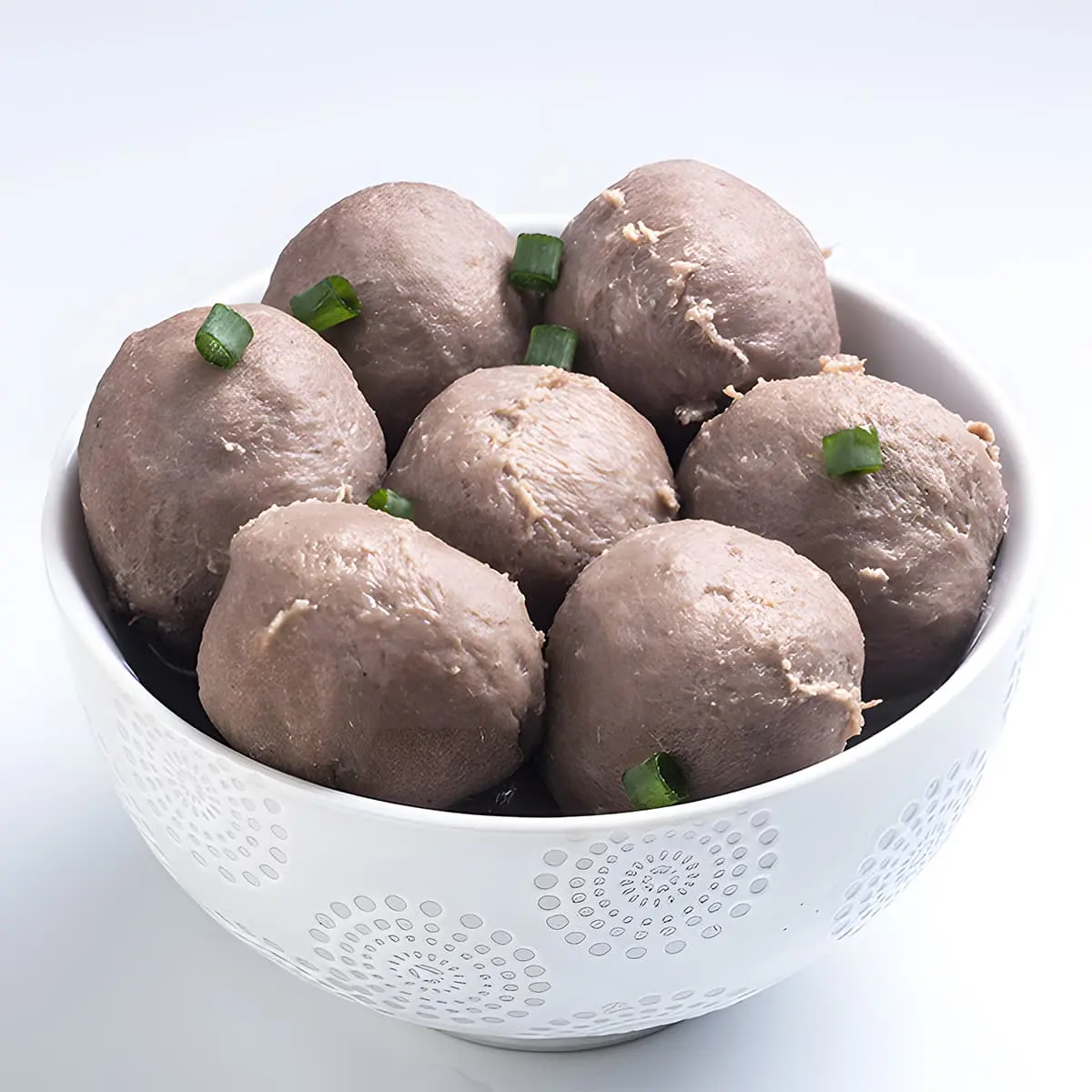
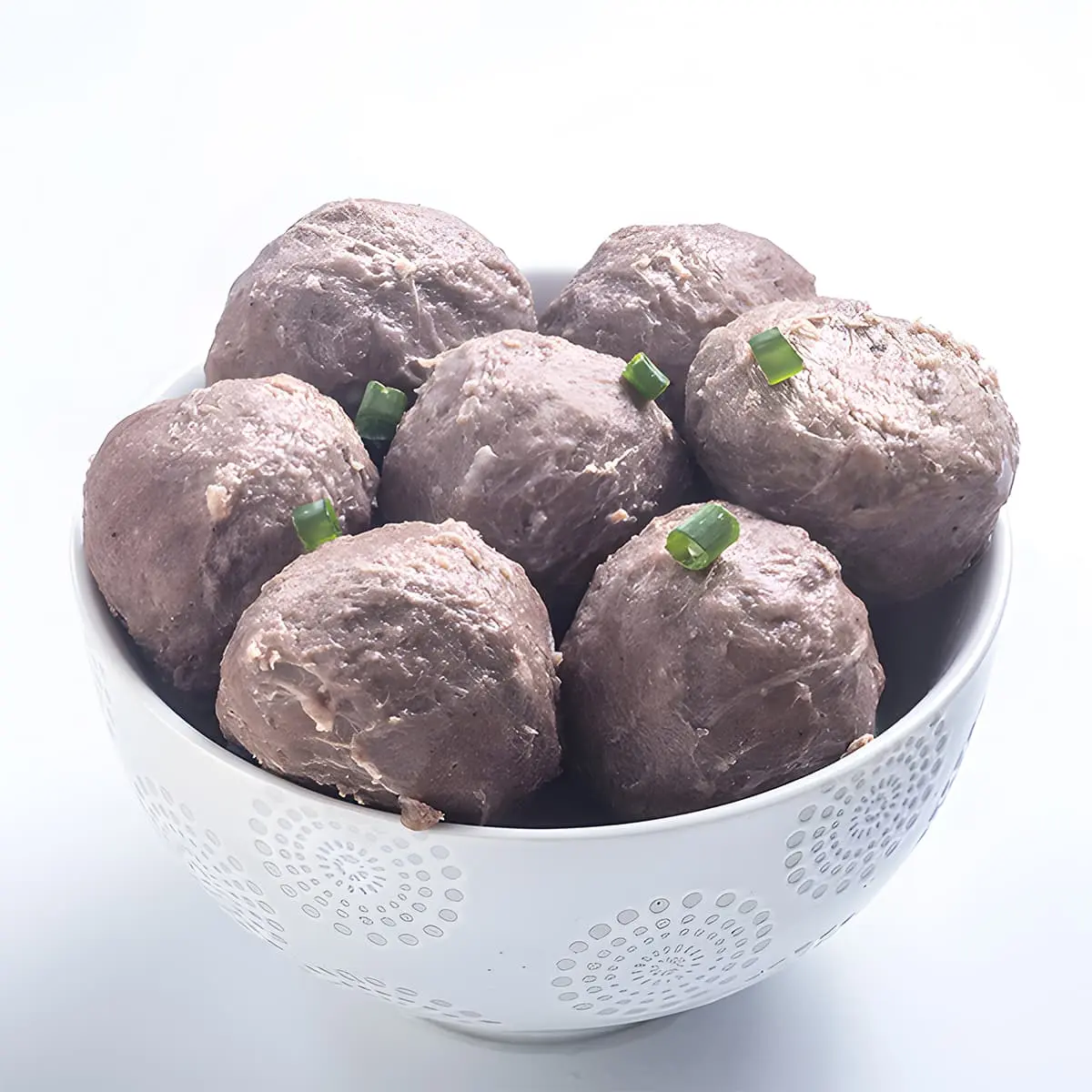
These are general texture and serving comparisons. Recipes and characteristics vary by brand and product. Check the package for ingredients and allergens.
How should I cook beef balls and beef tendon balls?
Check the preparation instructions before deciding how long to cook either type. Chilled, frozen, pre-cooked and raw products may need different handling. Follow the package directions first.
Tip 1: Add balls to hot pot in batches
Balls added at the start can cook for the entire meal. A prolonged boil can make some balls firmer and take away the springiness or chew you wanted.
Cook them in batches. Finish one batch before adding another to keep track of the texture and avoid looking for balls that have been in the pot too long.
Tip 2: Follow the cooking directions after the broth comes back to a boil
Chilled or frozen balls may lower the broth temperature. Bubbles at the surface or floating balls alone cannot show whether they are cooked through.
Use the cooking method and timing on the pack, and make sure the balls are thoroughly heated. Size, packaging and product requirements vary, so one timing does not cover every beef or beef tendon ball.
Tip 3: Use the same broth to compare textures
When you first compare beef balls and beef tendon balls, cook both in the same kind of broth as directed on their packages, then taste them side by side.
Using the same broth makes it easier to tell whether you prefer an even, springy texture or a stronger chew. Two very different broths, such as spicy mala and clear broth, can distract from the texture.
Common mistakes when cooking beef balls and beef tendon balls
Mistake 1: Assuming the name tells you how much tendon a product contains
Recipes vary by brand. Check the package for the kind of meat, tendon and any other ingredients.
Mistake 2: Putting all the balls into the pot at the start
A hot pot meal can last a while. Balls left cooking the whole time can feel different from freshly cooked ones. Batches help you control the texture.
Mistake 3: Assuming a floating ball is fully cooked
Floating alone is not a reliable test. Products can vary in size, whether they are chilled and how they need to be cooked. Follow the pack directions.
Mistake 4: Skipping the ingredient and allergen labels
Two products called “beef balls” can have different recipes. Check the ingredients and allergen information for each if you have dietary needs, food allergies or ingredients to avoid.
Hot pot pairings for beef balls and beef tendon balls
Both types work with several broths. Choose one that suits your preferred flavour and texture:
- Clear broth with beef balls:A simple way to focus on the texture of the balls themselves.
- Tomato broth with beef balls:A sweet and tangy broth that pairs with springy balls, vegetables and mushrooms.
- Satay broth with beef tendon balls:A rich broth and a chewy bite for a familiar Hong Kong hot pot pairing.
- Spicy mala broth with beef tendon balls:If you enjoy stronger flavours, try the firmer bite of beef tendon balls for another texture.
- Beef balls and beef tendon balls together:Serve both if some people like a springy bite and others prefer more chew.
For dipping, try satay sauce, soy sauce, minced garlic or chilli to taste. With a new product, taste one plain before deciding which sauce you like.
Frequently Asked Questions
What is the biggest difference between beef balls and beef tendon balls?
For most people it is the texture. Beef balls are usually evenly springy, while beef tendon balls are generally marketed as firmer and chewier. Texture varies by brand and recipe.
Do beef tendon balls always contain beef tendon?
Check the ingredient label for beef tendon, other meats and other ingredients. Recipes vary by brand.
Which kind of beef ball is best for hot pot?
Both work. Try beef balls for an even, springy bite or beef tendon balls for more chew. Serve some of each if you are cooking for a group.
How long should beef balls cook?
Timing varies with size, whether they are chilled or frozen and the particular cooking instructions. Follow the pack. Floating alone does not show doneness.
Should I thaw beef tendon balls before cooking?
Check the package directions. Some products can be cooked directly and others require specific preparation.
What should I look for when buying beef balls or beef tendon balls?
Choose the texture you like and check the ingredient list, allergens, cooking and storage directions. Read the actual ingredients if you have special dietary requirements.
Summary: Compare the springy bite of beef balls and the chewier texture of beef tendon balls
A useful way to compare beef balls and beef tendon balls is by their usual texture:Beef balls are generally evenly springy. Beef tendon balls often have a firmer, chewier bite.Both work in hot pot. Choose the texture you and the others at the table enjoy.
Check the label for the actual meat, tendon proportions and other ingredients. Brands and recipes vary. The ingredient, allergen, storage and preparation information gives you more detail than the name alone.
For related ingredients and recipes, seeFresh Beef Balls、Beef Tendon Balls。
For general food safety advice on cooking, seeCentre for Food Safety guidance on cooking。
Further ReadingMatching hot pot broths with fish and meat balls。
Comments are closed.