
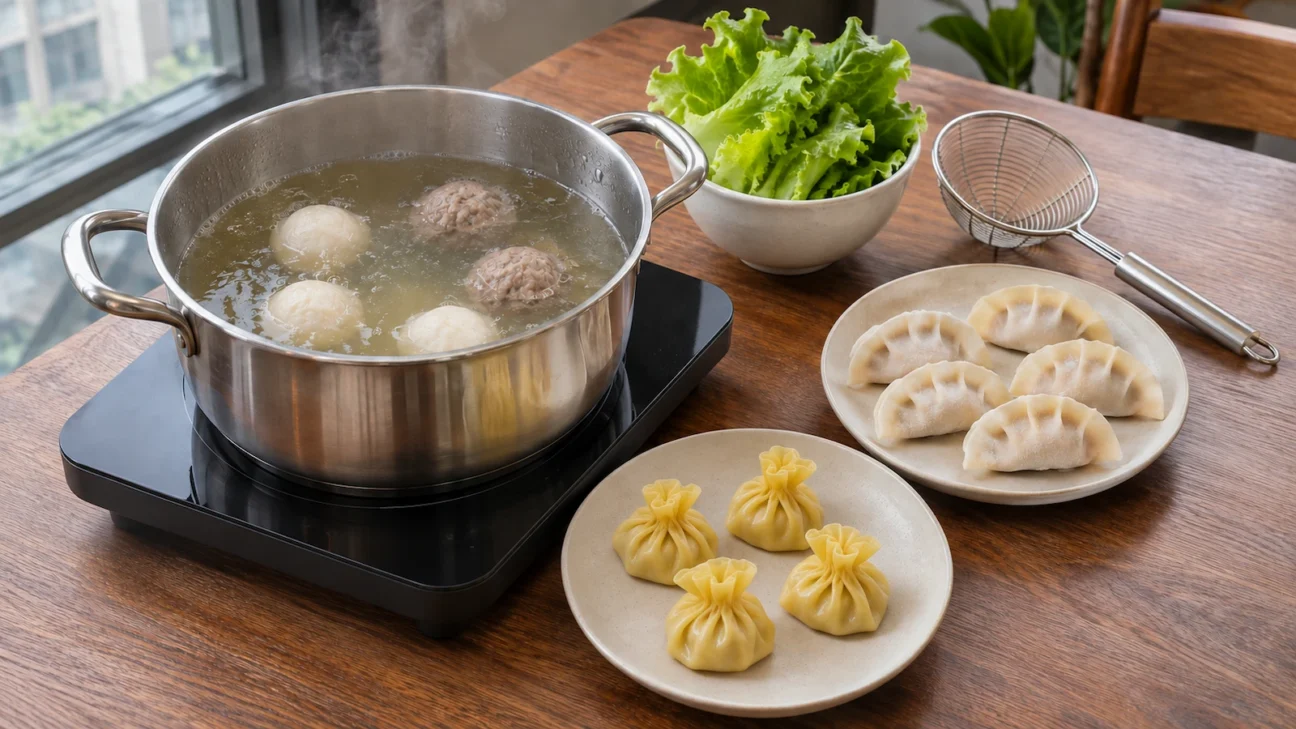
Add hot pot ingredients in order of how long they need to cook. Start with thick fish or meat balls or dumplings that take longer, then cook thin-skinned wontons in batches near the end. Follow the cooking instructions on each pack, and cook only what you are ready to eat.
When decidingwhat order to add hot pot ingredients, use their size, thickness and frozen state, along with the package instructions, to decide how long they need.
Here is how fish and meat balls, wontons and dumplings cook, along with a practical cooking order, tips and common mistakes to help you keep track at the table.
Table of Contents
Which goes into hot pot first: fish and meat balls, dumplings or wontons?
Start with ingredients that need longer to heat through. Add ingredients that split or soften easily later.
If you are cooking standard fish or meat balls, dumplings and thin-skinned wontons, use this order as a guide:
- First: Larger or thicker fish and meat balls, and frozen dumplings that take longer to cook.Add these ingredients first and cook them thoroughly according to the package instructions.
- Second: Other dumplings and smaller fish or meat balls.Adjust the order for their size, whether they are already cooked and what the package says.
- Third: Thin-skinned wontons.Add them in batches near the end so you can watch them cook. Remove them before a long soak softens the wrappers.
This sequence is a guide,and some dumplings will need to go in before fish or meat balls.For example, some dumplings need to be fully cooked. Certain fish or meat balls come pre-cooked and only need reheating according to the pack, so the two can take different amounts of time.
Follow the directions on each pack to cook every ingredient thoroughly. Check its doneness directly instead of relying on the order you added it.
How do fish and meat balls, wontons and dumplings cook?
Fish and meat balls: Size and whether they are pre-cooked matter
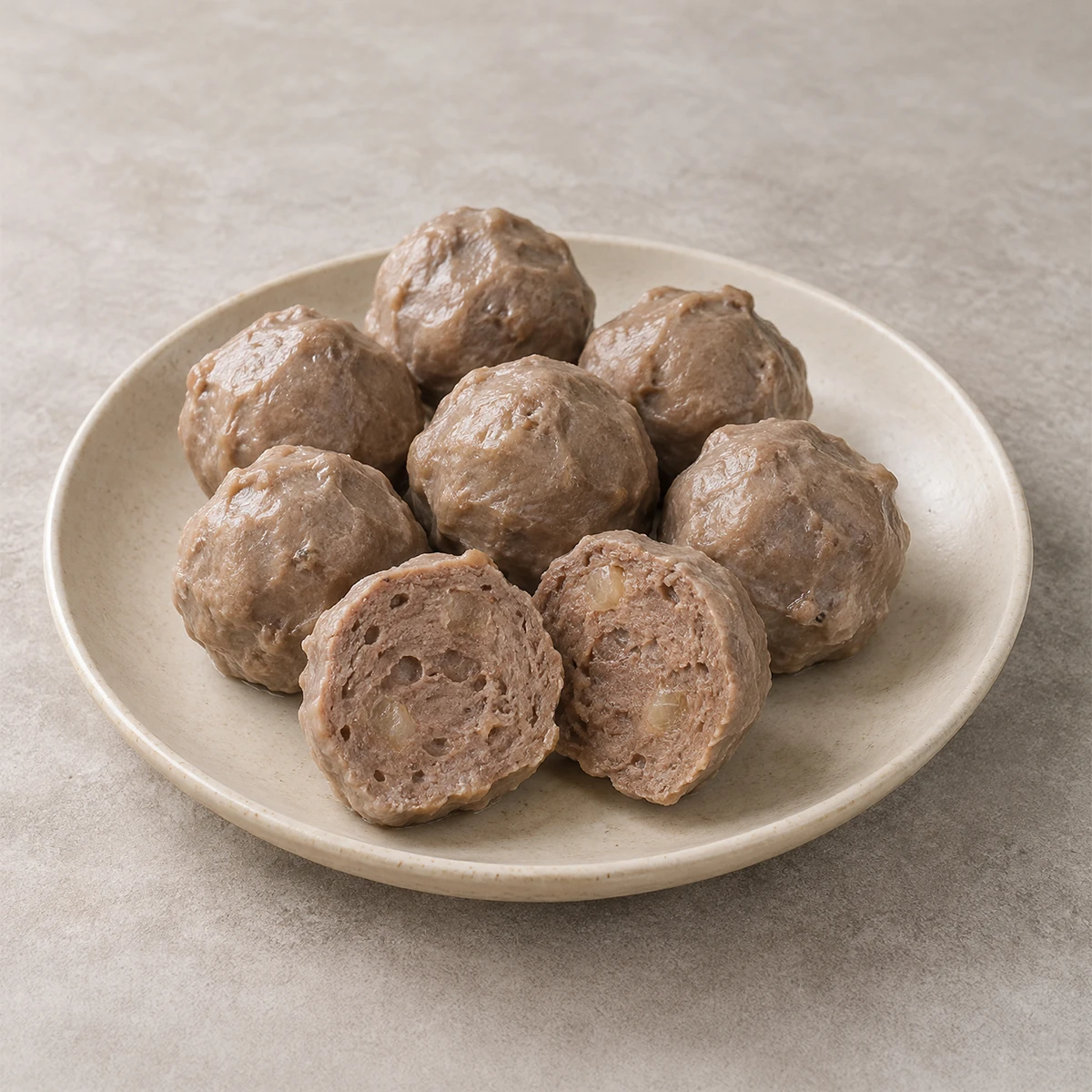
Fish balls, beef balls and other meatballs are popular for hot pot in Hong Kong. Size, texture and whether they are raw, pre-cooked or frozen affect how long they take to cook.
With larger or thicker balls, check that the centres heat through. For frozen balls, check the pack to see whether you can put them in straight from frozen and how to cook them.
To keep the texture you like, cook in batches instead of leaving the entire quantity in the hot broth for a long time.
Dumplings: Check the wrapper thickness and cook the filling through
Cooking time varies with dumpling size, shape and wrapper thickness. A softened wrapper can still have an undercooked filling, especially in dumplings made with a raw filling.
Bring the broth to a boil before adding the dumplings. Add a manageable batch and move them gently once in the pot to keep them from sticking to the bottom or being pressed together.
When cooking dumplings with other hot pot ingredients, note when they go in so you do not take them out before they are done.
Wontons: Cook thin-skinned varieties in batches
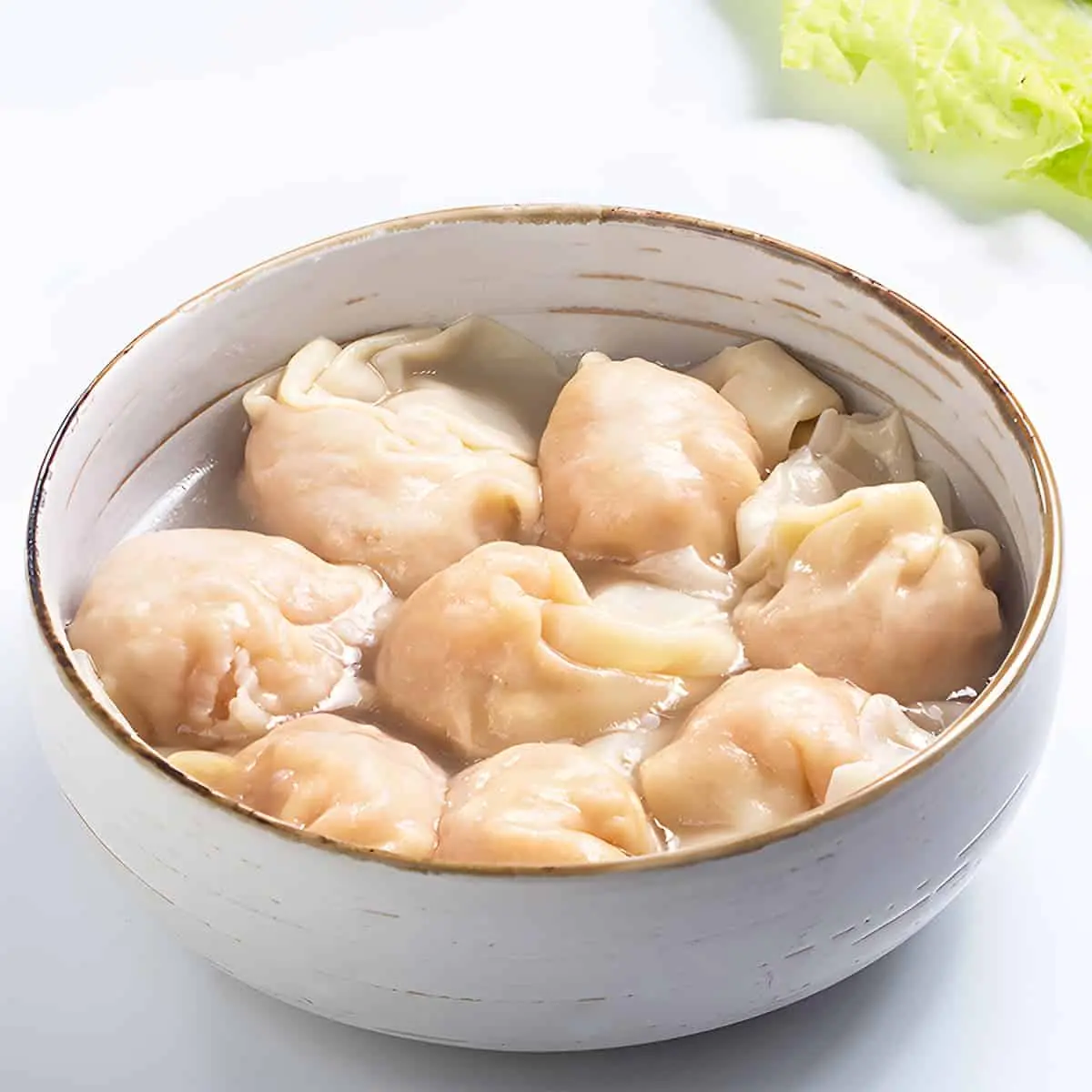
Wonton wrappers, folds and sizes vary by product. A thin wrapper may go too soft or split if left bubbling in the broth for too long.
Add thin-skinned wontons toward the end, a few at a time, so they are not crowded by fish and meat balls or dumplings.
Remember thata softened wonton wrapper does not prove the filling is cooked through. If the product has a raw filling, cook it thoroughly according to the package instructions.
How to time fish and meat balls, dumplings and wontons
Need to choose what goes in first? This table compares the cooking order for three common hot pot ingredients.
| Ingredient | Suggested cooking order | What to watch for | Tips for the best texture |
|---|---|---|---|
| Fish balls, beef balls and similar items | Add larger varieties or ones that need more cooking time first. | Check that the centre is cooked through. For pre-cooked products, follow the reheating instructions on the pack. | Take them out when done so they do not stay in the hot broth for too long. |
| Dumplings | Consider wrapper thickness, size, filling and the package instructions. Start with the ones that take the longest. | A soft wrapper or a dumpling floating to the top cannot confirm that the filling has cooked through. | Add in batches and stir gently so the wrappers do not split. |
| Wontons | Thin-skinned wontons can usually go in later. | Check both the wrapper and filling to make sure the wontons are cooked through. | Avoid a prolonged boil or crowding the wontons with other ingredients. |
Note:This is a general cooking order. Times vary by product size, recipe and whether the product is raw or pre-cooked. Use the cooking instructions on the package.
Three tips for cooking hot pot ingredients
Tip 1: Check the pack before deciding what goes in first
When preparing ingredients for hot pot, check the condition of each item:
- Does it need to be cooked through, or is it pre-cooked and ready to reheat?
- Is it frozen, and can it go straight into the pot from frozen?
- Does the package give a cooking method and time?
- How large or thick is it, and does the wrapper tear easily?
Hong Kong’s Centre for Food Safety notes that some small frozen dumplings and fish balls can be boiled straight from frozen. Check the package for each product because other frozen hot pot items can require a different method.
Tip 2: Keep the broth boiling and add ingredients in batches
A large batch of frozen food can lower the broth temperature and slow cooking. Crowding the pot can also make the ingredients cook unevenly.
Add fish and meat balls, dumplings and wontons in batches so each batch has room to cook.
After topping up with water or broth, bring the pot back to a full boil. Make sure the ingredients are fully cooked before taking them out.
Batches make it easier to remember when ingredients went in and to distinguish freshly added pieces from cooked ones.
Tip 3: Check whether the food is cooked through
People often take fish balls, wontons or dumplings out as soon as they float to the surface.
Floating is a visible change, butit cannot show that the centre has reached a safe cooking temperature. Check that larger balls and dumplings with raw fillings are fully cooked in the centre.
Hong Kong’s Centre for Food Safety advises making sure that larger pieces of food reach a core temperature of at least 75°C at hot pot. When checking, use a suitable food thermometer in the centre of the thickest part.
If you do not have a thermometer, follow the package instructions carefully and heat the food thoroughly. Floating, a change in colour or a softened wrapper alone cannot confirm doneness.
Common hot pot mistakes to avoid
Mistake 1: Adding everything at once
Fish and meat balls, dumplings and wontons need different cooking times. Adding a large batch together cools the broth and makes it harder to tell when each item is done.
How to fix it:Add in batches by size and cooking requirements. Take each batch out once fully cooked.
Mistake 2: Assuming fish and meat balls are done when they float
Floating alone does not show that food has cooked through. Allow enough cooking time and check the core temperature when needed.
How to fix it:Follow the package instructions and take particular care to cook the centre of larger or frozen ingredients thoroughly.
Mistake 3: Constantly stirring wontons and dumplings
Thin wonton and dumpling wrappers can tear if the pieces are stirred often or pressed against one another as they cook.
How to fix it:Move the pieces gently. Stir lightly with chopsticks and leave room in the pot.
Mistake 4: Using the same chopsticks for raw and cooked ingredients
Using the same chopsticks to put raw ingredients in the pot and to pick up cooked food can increase the risk of cross-contamination.
How to fix it:Use separate sets of chopsticks or tongs for raw and cooked ingredients.
Mistake 5: Leaving frozen ingredients at room temperature to thaw for a long time
Some people set out all the frozen ingredients in advance to thaw before hot pot. Thawing at room temperature can increase the risk of microbial growth.
How to fix it:Follow the storage and thawing instructions on the pack. If thawing is required, use a suitable method such as thawing in the fridge. Some small frozen ingredients can go straight into the pot, according to the pack.
How to serve and pair fish and meat balls, dumplings and wontons
The pairing between ingredients and broth also shapes the meal. Here are a few easy ideas for hot pot at home.
Pairing 1: Clear broth with fish or meat balls and seasonal vegetables
For a simple set-up, use clear broth with fish or meat balls of different sizes and the vegetables you like.
Cook the balls that take longer first. Then add the vegetables in batches according to their type and thickness. This makes it easier to tell when each ingredient is done.
Pairing 2: Clear broth with dumplings and wontons
If you like both dumplings and wontons, try cooking them in separate batches.
Cook dumplings that need longer first. Remove them when fully cooked, then add the thin-skinned wontons. This makes it easier to time each batch and keeps cooked wontons from sitting in the pot for too long.
Pairing 3: Take turns cooking fish and meat balls, dumplings and wontons
For a larger group, serve one batch at a time as people are ready to eat it.
Add one or two types of ingredients at a time. Follow the pack directions to cook them thoroughly and enjoy them before starting the next batch. This keeps the pot from getting crowded and makes each batch easier to follow.
For any combination, consult the relevant package for the actual ingredients, allergens and cooking requirements.
Hot pot cooking order: frequently asked questions
1. Should fish balls or dumplings go into the hot pot first?
It depends on the product. Large fish balls that need longer can go in first. If the dumplings have a raw filling or need more time, give those a head start. Follow each pack and check whether the centre has cooked through.
2. Are fish and beef balls done as soon as they float?
A ball that floats may still be undercooked inside. Follow the pack and use a food thermometer to check the core temperature of larger or thicker pieces if needed.
3. Can frozen dumplings go straight into hot pot?
Some small frozen dumplings can go straight into boiling broth, in line with guidance from Hong Kong’s Centre for Food Safety. Check the directions on the pack because requirements vary, and eat dumplings only when fully cooked.
4. Can wontons and dumplings go in together?
Yes, but keep track of each one. Size, wrapper and filling can differ, so they may finish at different times. For more control, cook in batches or keep track of when each went into the pot.
5. How long do fish and meat balls, wontons and dumplings take in hot pot?
Cooking time depends on size, thickness, whether the ingredients are frozen and whether they are pre-cooked. Use the time on each product’s pack, then check the centre is cooked through. Timings for another product may not apply.
6. What should I do if the broth stops boiling after I add frozen ingredients?
Frozen ingredients can stop the boil briefly. Keep heating until the broth returns to a full boil, and cook the ingredients thoroughly before removing them. Time spent soaking in the pot alone does not confirm doneness.
Summary: Start with what takes longer and cook in batches
When planningwhat goes into the hot pot first, base the timing for each batch on size and thickness, whether it is raw or pre-cooked, and how the manufacturer says to cook it.
At home, start with larger fish and meat balls and dumplings that take longer to cook, then add the other ingredients. Cook thin-skinned wontons in small batches near the end. Adjust for each product’s cooking instructions.
Cooking each ingredient thoroughly and preventing cross-contamination between raw ingredients and cooked food take priority when choosing a cooking order.
Check each pack, add ingredients in batches, keep the broth boiling and confirm the ingredients are fully cooked. These habits make hot pot at home easier to manage.
Food safety reference:Hong Kong Centre for Food Safety, Key Points on Safe Consumption of Hot Pot. This sequence is a general guide. Use each product’s official instructions for cooking times and food safety.
For related ingredients and recipes, seeHow to choose fish and meat balls for hot pot、How to choose a hot pot broth。
Comments are closed.