
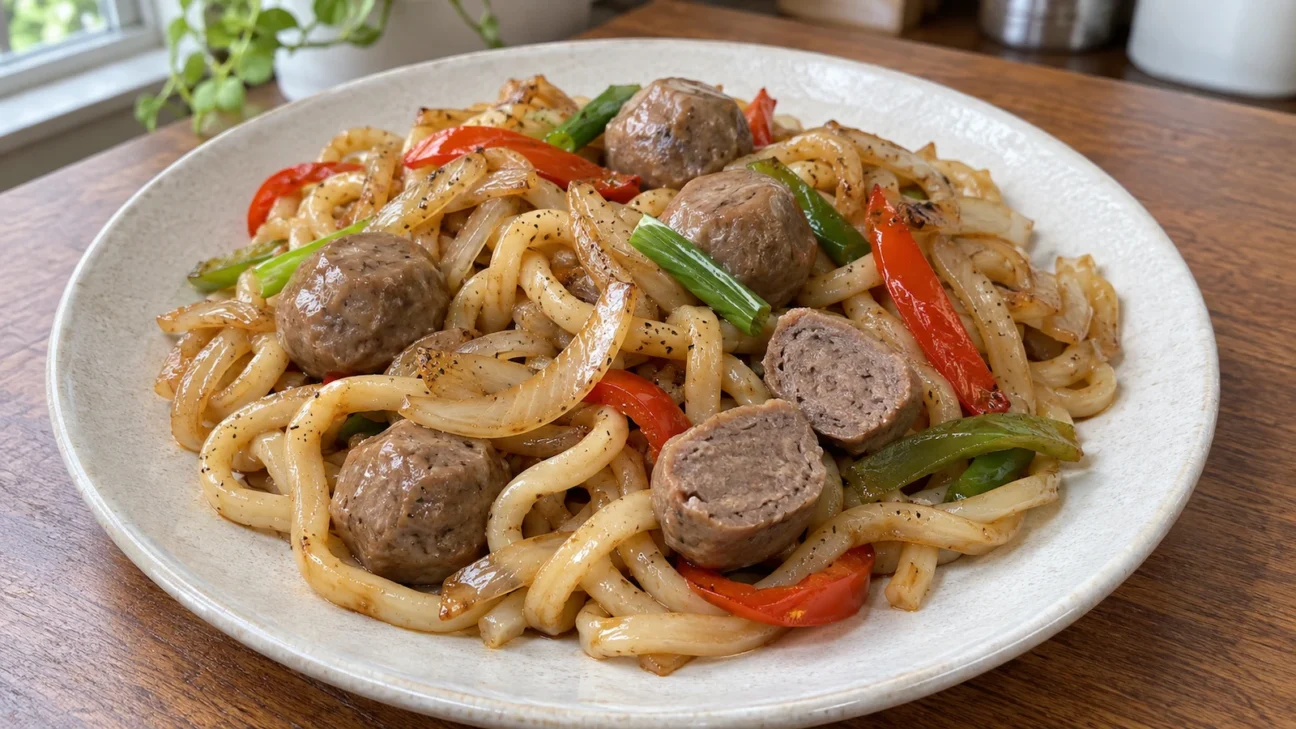
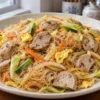
For stir-fried udon that isn’t watery, loosen and drain the noodles first. Sauté the onion and garlic, then add the beef balls you’ve prepared according to the package and the drained udon. Pour the black pepper sauce around the edge of the wok in batches. Toss until the noodles are coated and serve.
Table of Contents
Manage the moisture, heat and when you add the sauce. Cook the udon briefly and let the sauce reduce at the end so it coats the noodles without pooling in the wok.
Suggested servings:Serves 2
Prep time:About 10 minutes
Cooking time:About 10–15 minutes
This is an estimate for preparing the whole dish at home. Follow the directions for the beef balls you use and make sure they are heated through. Check the product packaging for ingredients and allergen information.
How do you make fragrant black pepper beef ball udon without excess liquid?
Remember three things.keep the udon from overcooking, add the sauce in batches and let it reduce slightly at the end.。
Udon already contains moisture. If you add wet noodles straight to the wok and pour in a lot of sauce, they can simmer instead of frying. Sauté the other ingredients first, add loosened and well-drained udon, then pour in the mixed black pepper sauce and toss quickly.
What makes beef ball and udon stir-fry work?
The ingredients are simple and easy to adapt to what you have in the fridge. Beef balls give the dish a springy bite, udon picks up the black pepper sauce, and the sweetness of onions balances the pepper and savoury soy-based seasoning.
This dish works in one wok. Prepare the beef balls as directed on the package, then sauté the vegetables and add the udon and seasonings in the same wok. Mix the sauce in advance and add it directly.
Meat content, recipe, nutrition, additives, allergens and storage can vary by brand. Check the actual beef ball package before buying or eating.
Ways to make beef ball and udon stir-fry
| Cooking Methods | Texture | Seasoning | Best Occasions |
|---|---|---|---|
| Quick, dry stir-fry | The udon stays firm and the sauce clings to it | The black pepper comes through more clearly | For a quick dinner with a Hong Kong–style fried noodle texture |
| Saucier version | Moister, smoother noodles | More sauce in each bite | For anyone who likes noodles coated in a rich sauce |
| Extra vegetables | More crunch | A lighter flavour | For using up vegetables in the fridge |
If it’s your first time, start with the drier version. You can add sauce later. Too much liquid early on is harder to cook off.
Ingredients and seasonings
Ingredients
- 2 portions of udon
- About 8–10 beef balls, adjusted to the package serving and cooking instructions
- ½ onion, sliced
- ½ bell pepper, sliced, optional
- 2 cloves of garlic, finely chopped
- 1 spring onion, cut into lengths, optional
- Cooking oil as needed
If the beef balls need thawing, precooking or a specific heating method, follow the package instructions first.
Black pepper sauce
- 1 tbsp light soy sauce
- 1 tbsp oyster sauce
- About ½ tsp dark soy sauce, optional if more colour is needed
- 1–1½ tsp crushed black pepper, to taste
- About ½ tsp sugar
- 2–3 tbsp water
Mix the seasonings in a small bowl so you can add the sauce together. Saltiness and recipes vary by brand. Check each package if you need to avoid a specific ingredient or allergen.
Step-by-step cooking instructions
- Prepare the beef balls:Follow the package directions for thawing, precooking or heating. If they’re suitable for cutting, halve them if you like so they are easier to mix through the noodles.
- Prepare the udon:Loosen the noodles according to the package directions and drain them thoroughly. Avoid leaving the udon to soak.
- Mix the black pepper sauce:Mix the light soy sauce, oyster sauce, dark soy sauce, crushed black pepper, sugar and water.
- Stir-fry the vegetables.Heat the wok and add oil. Sauté the onion and garlic until fragrant, then briefly stir-fry the bell pepper.
- Add the beef balls:Add the beef balls you’ve prepared according to the package directions. Toss them with the onions and make sure they’re heated through by the end of cooking.
- Add the udon:Add the drained udon and gently separate the noodles with a spatula or chopsticks. Avoid pressing or cutting them with the spatula so they stay whole.
- Add the sauce.Pour about two-thirds of the black pepper sauce around the edge of the wok. Toss quickly to coat the udon evenly.
- Taste and reduce the sauce:Look at how wet the noodles are before deciding whether to add the rest of the sauce. Stir-fry until the excess liquid cooks off and the sauce clings to the udon.
- Final seasoning:Taste and add more black pepper if needed. Toss briefly with the spring onion lengths and serve.
Tips for cooking beef ball and udon stir-fry
Tip 1: Drain the udon before it goes into the wok
Too much moisture is a common issue. If the udon goes into the wok still dripping after loosening, adding sauce can leave a pool of liquid. Drain the noodles first so the sauce can coat them.
Tip 2: Add the sauce in two stages
The moisture in the noodles, onions and bell pepper varies. Start with about two-thirds of the sauce, toss and check before adding more. This makes it easier to control saltiness and moisture.
Tip 3: Add more black pepper at the end for a fresher aroma
Mix most of the black pepper into the sauce. If you want a stronger pepper aroma, grind a little more in just before turning off the heat.
Common mistakes: Why udon sticks, breaks or turns too salty
Mistake 1: Stir-frying the udon too roughly
Warmed udon softens and can break if you keep pressing it with the spatula. Loosen it first, then toss and separate the noodles gently.
Mistake 2: Adding too much water at the start
Udon, vegetables and sauce all contain moisture. Extra liquid takes longer to cook off and can soften the noodles too much. Add water a little at a time only if the wok is too dry.
Mistake 3: Adding all the seasoning at once
Light soy sauce, oyster sauce and other prepared seasonings vary in saltiness. Start with part of the sauce, then taste before adding more.
Mistake 4: Relying on soy sauce for black pepper flavour
Extra light soy sauce makes the dish saltier. To bring out the black pepper flavour, adjust the pepper, onion and garlic first.
Mistake 5: Skipping the beef ball package directions
Ingredients, thawing and heating requirements vary between products. Follow the cooking directions for the beef balls you bought and make sure they’re heated through before you eat.
Ingredient substitutions
- No udon:Use Shanghai noodles, oil noodles or another noodle suitable for stir-frying. Adjust the sauce to how much liquid the noodles absorb.
- No onion:Try a large spring onion, cabbage or another vegetable suitable for quick stir-frying.
- No bell pepper:Leave it out or use broccoli, cabbage, carrot or another vegetable from the fridge.
- Prefer less heat:Start with less black pepper and add more after tasting if needed.
- Want more spice or aroma:Add more garlic or a little freshly ground black pepper before serving.
If you use another meat, type of meatball or prepared food, check its own ingredients, allergens and cooking instructions.
Serving and Pairing Suggestions
Pair richly seasoned beef ball udon with a light side.
- Blanched greens:Quickly blanch choy sum, lettuce or broccoli and serve on the side.
- Cucumber or tomatoes:Serve fresh vegetables alongside to balance the rich black pepper sauce.
- Seaweed and egg drop soup:Serve a light soup alongside to round out dinner.
- Fried egg:Add a fried egg for another texture without preparing a second sauce.
If packing the udon for lunch, keep the sauce on the drier side so the noodles don’t absorb too much liquid and soften during storage. Follow the storage, refrigeration and reheating guidance for the ingredients you used.
Frequently Asked Questions
Can you stir-fry beef ball udon without boiling the noodles first?
It depends on the udon. Frozen, chilled and vacuum-packed noodles can need different preparation. Follow the package directions, loosen the noodles and drain them before stir-frying.
Why does stir-fried udon clump together?
The noodles may still be stuck together, the wok may be too dry, or the noodles may have been pressed after they began sticking. Loosen the noodles according to the package directions and gently separate them in the wok. Add a little water or sauce if the wok is too dry.
Why does beef ball udon turn out watery?
The udon may need more draining, the vegetables may release water, or too much sauce may have gone in at once. Drain the noodles, cook off excess liquid from the vegetables and add the sauce in two stages.
How can you season the dish without oyster sauce?
Start with light soy sauce, a little sugar, black pepper and water, then adjust to taste. Sauces vary in saltiness and flavour, so taste as you go. Check the labels for ingredients and allergens if needed.
Which vegetables go well with beef ball and udon stir-fry?
Onions, bell peppers, cabbage, broccoli, carrots and mushrooms all work. Use a moderate amount of vegetables that release water, and cook harder vegetables until almost tender before adding the udon.
How long do the beef balls take to stir-fry?
Timing varies by product, size and how the beef balls need to be prepared. Follow the package directions and make sure they’re heated through before eating.
Summary
Beef ball and udon stir-fryuses easy-to-prepare ingredients. You can adjust the seasoning and cook it all in one wok on a busy weeknight.
Three steps to remember:drain the udon, add the sauce in batches and let it reduce before adjusting the black pepper at the end. The same method works if you replace the onion or bell pepper with other vegetables from the fridge.
Check each package for ingredients, allergens, storage and heating requirements for the beef balls and seasonings.
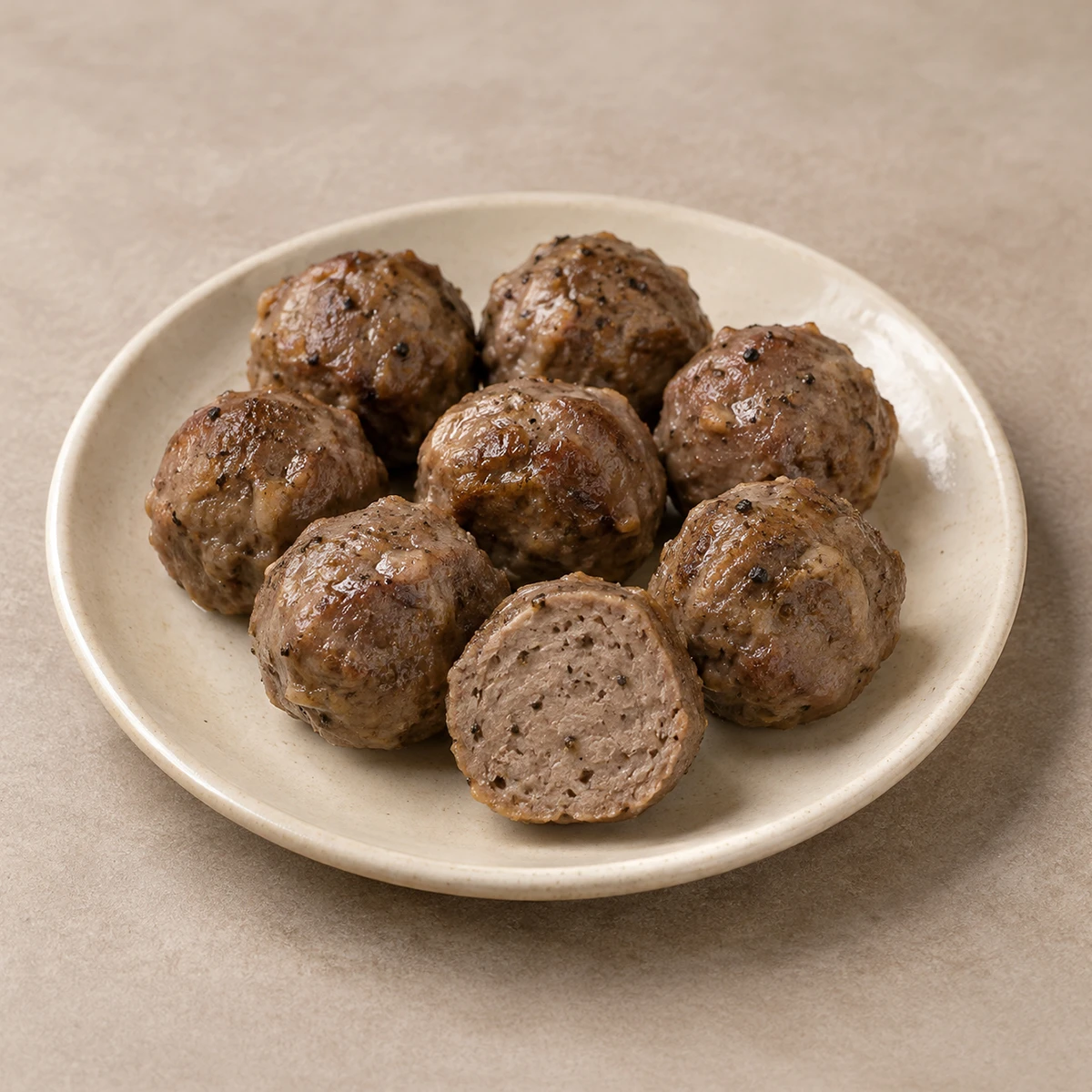
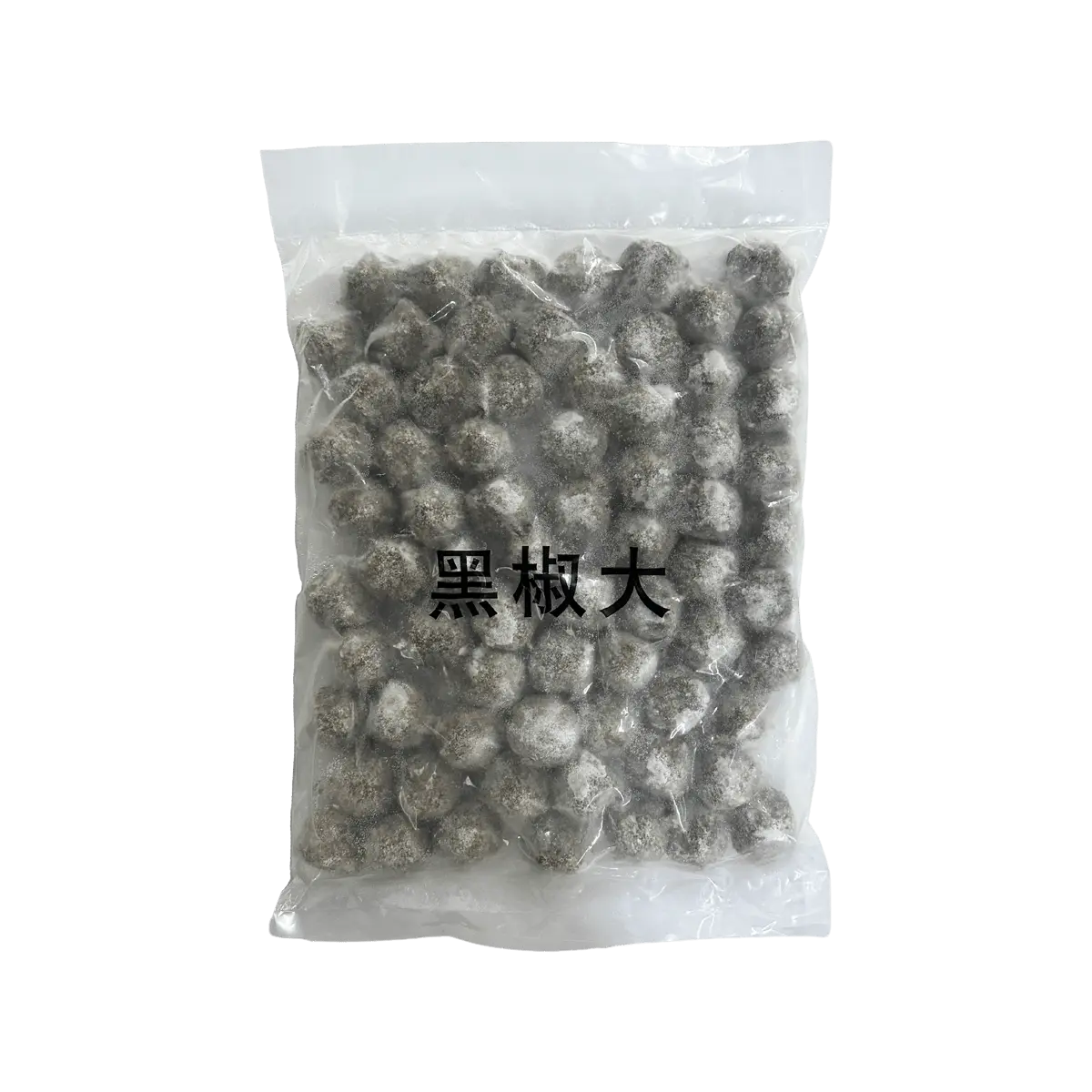
For related ingredients and recipes, seeBlack Pepper Beef Balls。
For general food safety advice on cooking, seeCentre for Food Safety guidance on cooking。
Further ReadingThe difference between beef balls and beef tendon balls。
Comments are closed.